

Most authors think their job ends with writing a great book. It doesn't. The authors who actually build lasting careers, the ones with loyal readers, sold-out events, and publishing deals that snowball, aren't just great writers. They're intentional about their personal branding in ways most people overlook.
These six personal branding examples show what's possible when an author treats their identity like a business asset. Not a marketing gimmick. Not a fake persona. A genuine, strategic extension of who they are and what they believe.
For authors shaping a stronger public voice, FTS Pod’s free ebook Creating Authentic Content in the Age of AI offers a practical framework for creating content that feels clear, human, and trustworthy.
Key Takeaways
- Brandon Sanderson built a publishing empire by treating his audience like insiders, not just consumers.
- Mel Robbins turned one viral moment into a consistent voice that spans books, talks, and a podcast.
- James Clear shows how one big idea, repeated consistently, can define an entire career.
- Colleen Hoover proved that community and emotional honesty can drive millions of organic sales.
- Brene Brown and Ryan Holiday both used a clear philosophical lens to build enduring, cross-platform authority.
How to Create a 30-Day Social Media Plan to Promote Your Book
1. Brandon Sanderson: Build a World, Then Invite People In

Brandon Sanderson leads the fantasy genre by treating fans like insiders. Through his YouTube channel, he shares creative decisions, draft progress, and BYU lectures. This radical transparency fosters audience ownership, making readers feel like part of the story.
His record-breaking Stormlight Archive Kickstarter succeeded because of deep-rooted reader trust earned through years of consistent, honest communication. If you're building an author platform from scratch, Sanderson's model is worth studying closely. Be generous with your process and people will be generous with their loyalty.
2. Mel Robbins: Own One Idea Until Everyone Knows Your Name

The 5 Second Rule transformed Mel Robbins into an expert on accessible human behavior. This core message, helping people get unstuck, now anchors her entire media presence, from podcasts to social media.
Her brand scales effectively because its simple, repeatable premise resonates deeply. Her TED Talk’s 40 million views prove that a clear idea, rather than high production value, establishes you as the go-to authority in your field.
If you want to turn your ideas into content that builds trust across books, talks, podcasts, and social media, download FTS Pod’s free ebook Creating Authentic Content in the Age of AI.
How to Build an Author Brand That Sells Books for 10+ Years
3. James Clear: Consistency as a Brand Strategy
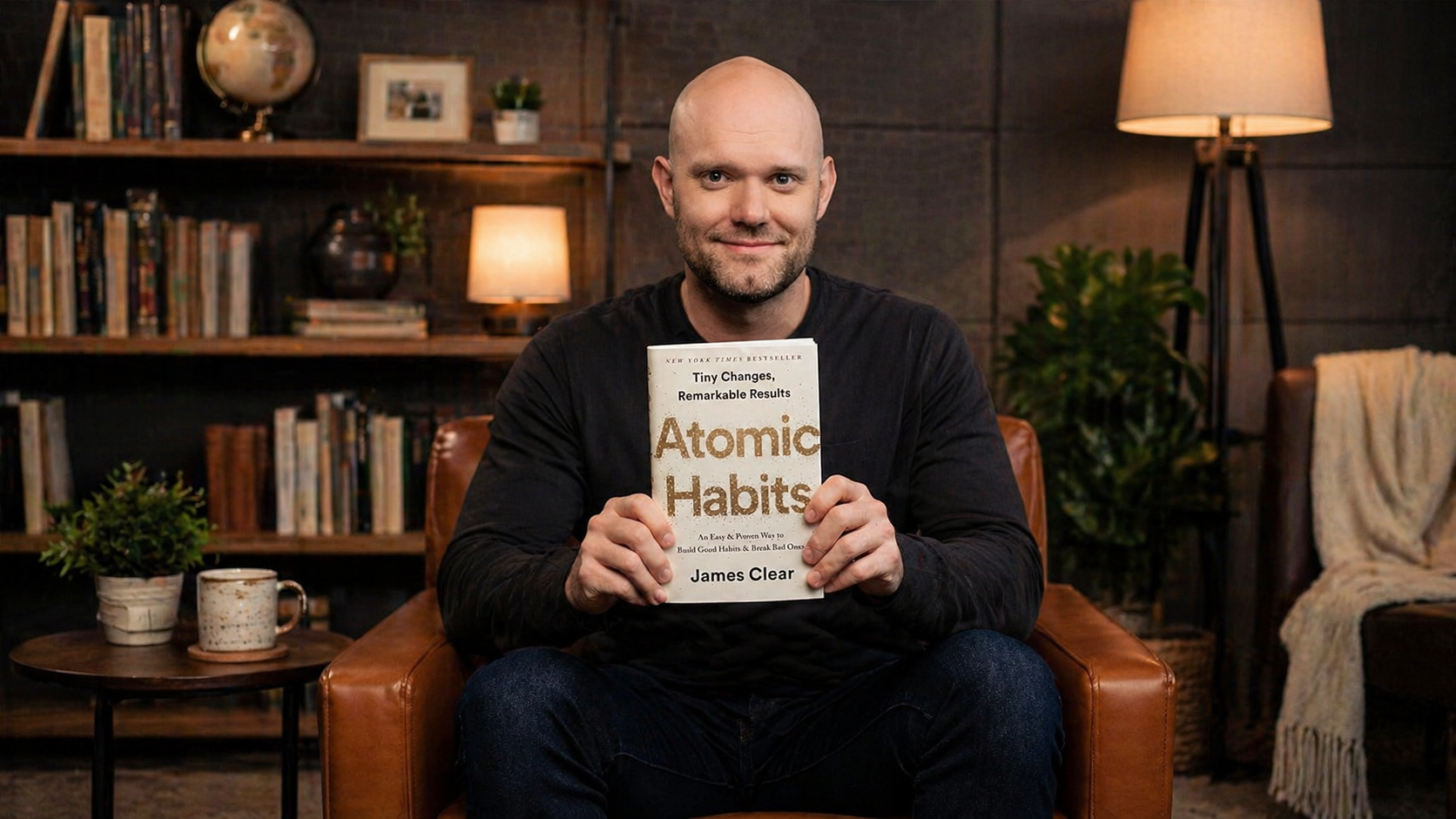
James Clear spent years publishing a newsletter before Atomic Habits ever existed. By the time the book launched, he already had hundreds of thousands of readers who trusted him. The book didn't create his audience. His audience made the book a guaranteed bestseller. That's the clearest illustration of what long-term brand building actually looks like: showing up before there's anything to sell.
His brand is built on the idea that small changes compound into big results. He applies that same philosophy to his own content strategy. One newsletter, consistent delivery, no gimmicks. He's a case study in why successful author branding examples usually involve patience more than tactics. Among the successful author branding examples in recent publishing history, Clear's slow-and-steady approach might be the most replicable.
4. Colleen Hoover: Let Your Readers Do the Talking

Colleen Hoover’s BookTok success proves that genuine emotional resonance outweighs traditional marketing. Readers drove her rise through raw reactions and fan accounts, demonstrating that organic community trust and an unmanaged social media presence are more powerful than standard influencer tactics.
Her series branding success shows what happens when you combine emotional resonance with community trust. She's active on social media in a way that feels personal, not managed. That authenticity is harder to manufacture than people think, but it's worth studying. If you want to learn how to become an influencer as an author, Hoover's organic approach is a better model than most influencer playbooks.
The same energy that turns readers into a community can turn a podcast appearance into a pipeline. Book a strategy call with the FTS Growth Studio team and find out how to build that kind of momentum for your brand. If short-form video is part of your author brand strategy, the Viral Video Blueprint can help you turn your ideas into content that builds attention around your work.
5. Brené Brown: Research as a Personal Brand

Brené Brown transformed from a researcher into a household name by translating complex psychology into relatable stories. Her massive success, anchored by a famous TED Talk on vulnerability, stems from applying a consistent lens across books, podcasts, and media.
Her brand succeeds through unwavering philosophical consistency, always focusing on shame, courage, and connection regardless of the medium. For authors seeking authority, Brown proves that committing to a deep, singular focus is more effective than covering broad topics.
6. Ryan Holiday: Stoicism as a Business

Ryan Holiday built a publishing brand on ancient philosophy. Through his massive Daily Stoic newsletter, bestselling books, an Austin bookstore, and leather goods, he connects everything to Stoicism. He proves that a brand can be defined by a worldview rather than a specific medium, transforming ideas into a cross-platform lifestyle brand.
The book marketing ideas he uses aren't complicated. He just applies them relentlessly within a clear identity. That's the part most authors skip. Authors who want more free resources can also explore FTS Pod’s ebook library, which includes guides on authentic content, podcast monetization, AI visibility, and growth strategy.
What These Authors Have in Common
None of these authors built their brands by accident. They each identified something real about themselves and made it visible, consistently, over time. Some did it through radical transparency. Some through a single powerful idea. Some through community. But all of them made a choice about what they stood for and then showed up for it, again and again.
That's what strong personal branding examples actually look like. Not perfect aesthetics or viral moments. A clear identity, repeated until it becomes something people trust. If you're an author thinking about what your brand should be, start there.


































.jpg)

.jpg)
.jpg)
.jpg)
.jpg)
.jpg)















.webp)
.webp)


.webp)









.webp)




.jpg)


.webp)