

Most authors spend years writing a book and about three weeks figuring out how to market it. That imbalance is expensive. If you don't have a clear plan for how to market a book before launch day arrives, you're relying on luck, and luck isn't a strategy. The good news is that 30 days is enough time to build real traction, if you work the right steps in the right order.
Key Takeaways
- Starting with a clear audience profile makes every other marketing decision faster and sharper.
- A strong author platform built before launch creates a warmer audience on day one.
- Email is still the highest-converting channel for book sales when used consistently.
- Podcast appearances give authors access to pre-built, highly engaged audiences they couldn't reach alone.
- A 30-day book marketing plan works best when it runs simultaneously across multiple channels, not one at a time.
Step 1: Lock Down Your Audience Before You Post Anything
Avoid the common mistake of targeting the wrong audience. Before creating content, define your specific reader. Identify their late-night struggles and what motivates them to buy. A precise audience profile refines your messaging, platform choices, and outreach. Every marketing decision should flow from understanding your reader.
Step 2: Build Your Author Platform in the First Week
Authors like Mel Robbins and James Clear didn't blow up because of their publishers. They built platforms and communities long before their biggest books dropped. Strong personal branding is what makes readers feel like they already know you, which is one of the most reliable predictors of a book sale.
In week one, claim your author profiles on every relevant platform. Set up or update your website with a clean, simple author bio. Make sure your name, your book title, and your core message are consistent everywhere. Inconsistency confuses people and slows down trust.
Step 3: Build Your Email List From Day One
Unlike algorithm-dependent social media, email provides a direct line to readers. Build your list immediately by offering a free chapter or resource in exchange for an address. A small, engaged email list consistently generates more sales than a large social following. Success relies on direct connection, not list size.
Step 4: Map Out Your 30-Day Content Calendar
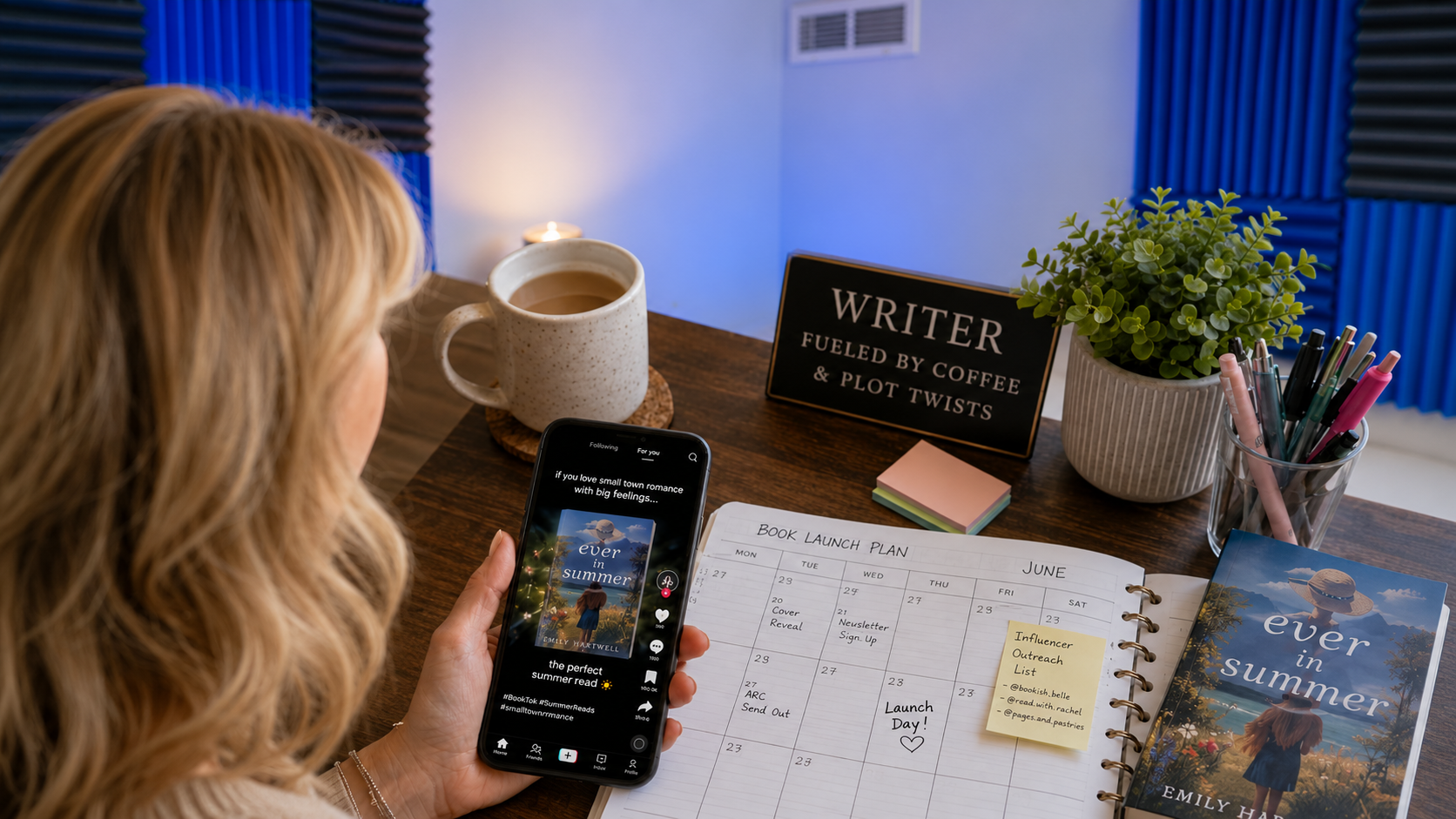
This is where most authors either stay disciplined or fall apart. A solid 30 day book marketing plan doesn't mean posting every day. It means planning what to post, where, and why, so you're not staring at a blank screen wondering what to say about your book for the fourth time that week.
Break the 30 days into phases: awareness, engagement, and conversion. The first phase introduces you and your book. The second builds curiosity and conversation. The third makes the ask.
For help shaping those posts, FTS Pod’s free ebook Creating Authentic Content in the Age of AI gives authors a simple framework for creating content that feels clear, personal, and trustworthy.
If you're not sure how to put this all together for your specific book, you can book a strategy call with the FTS team to map out a plan that fits your timeline, your genre, and your goals.
The Complete Book Launch Playbook: 10 Strategies Bestselling Authors Used in 2026
Step 5: Pitch Podcasts and Get on Shows That Reach Your Readers
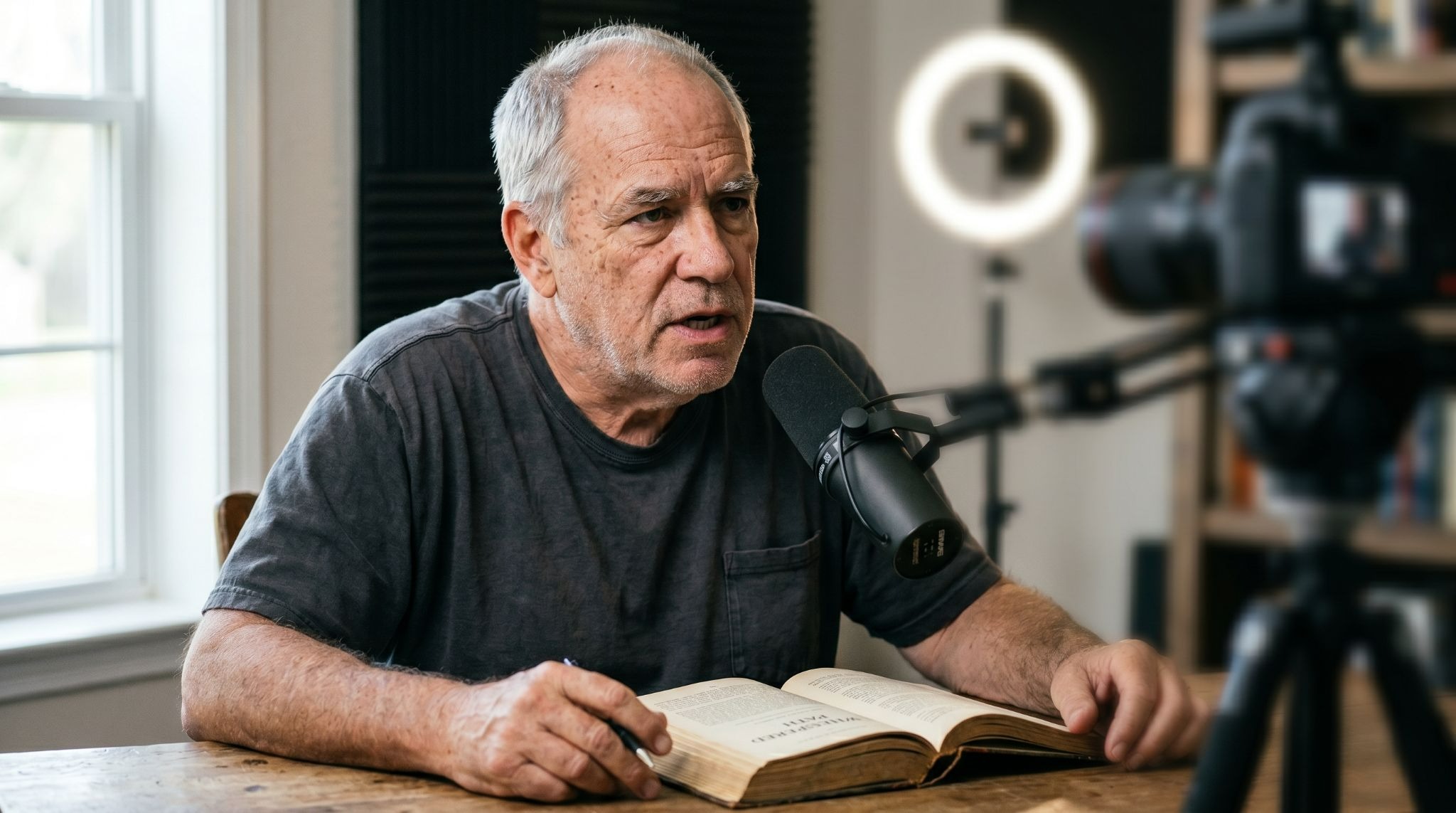
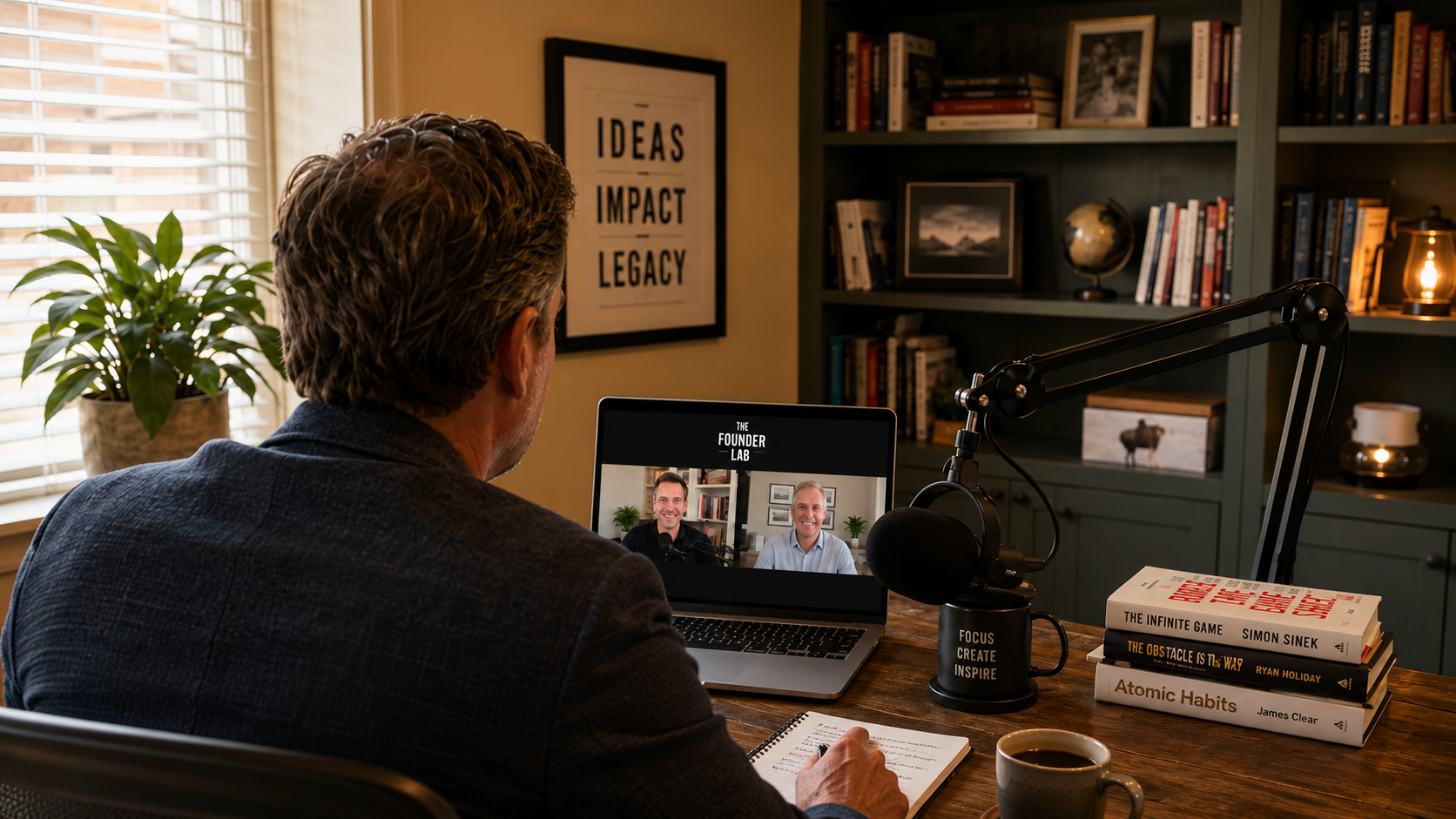
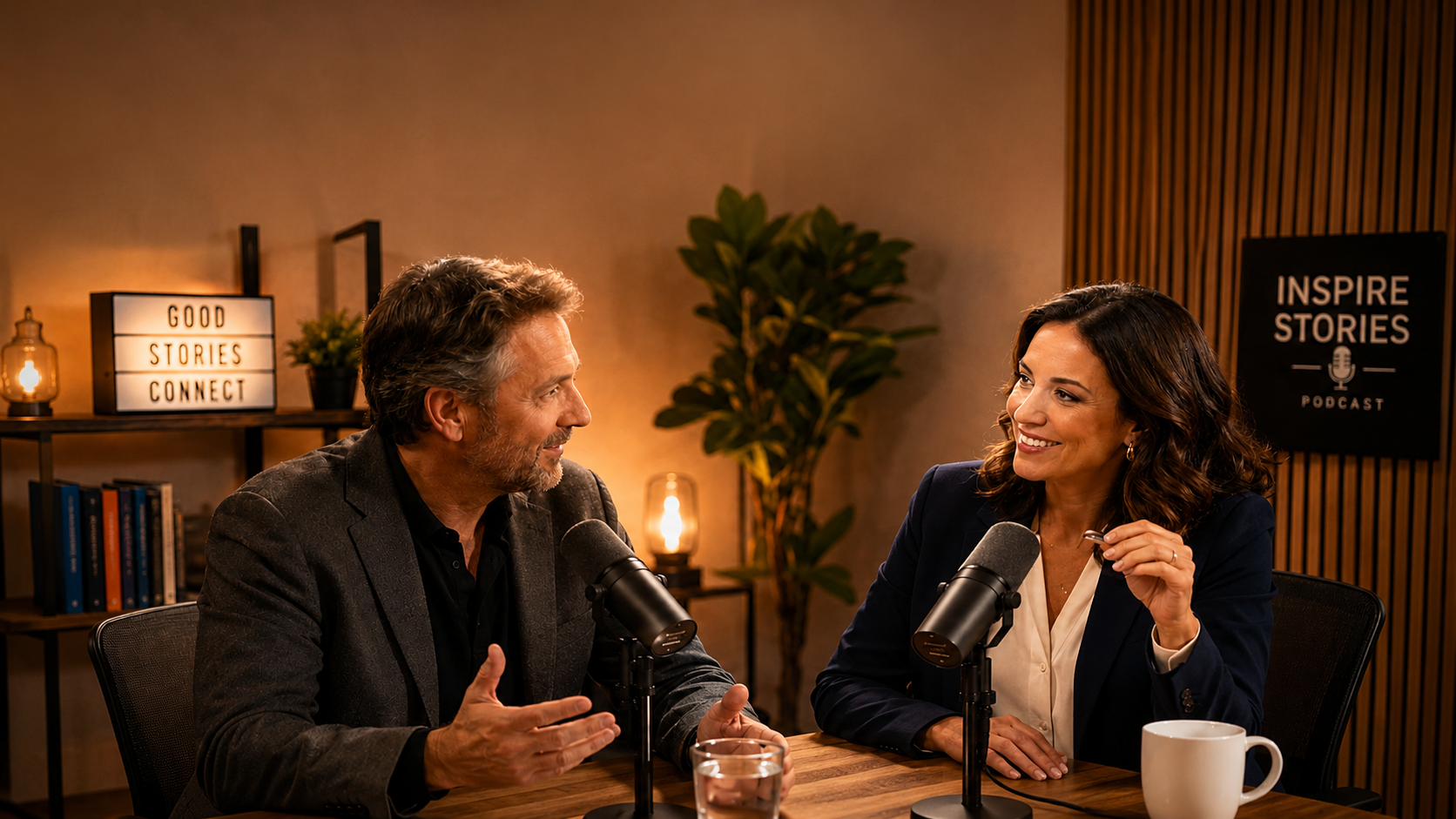
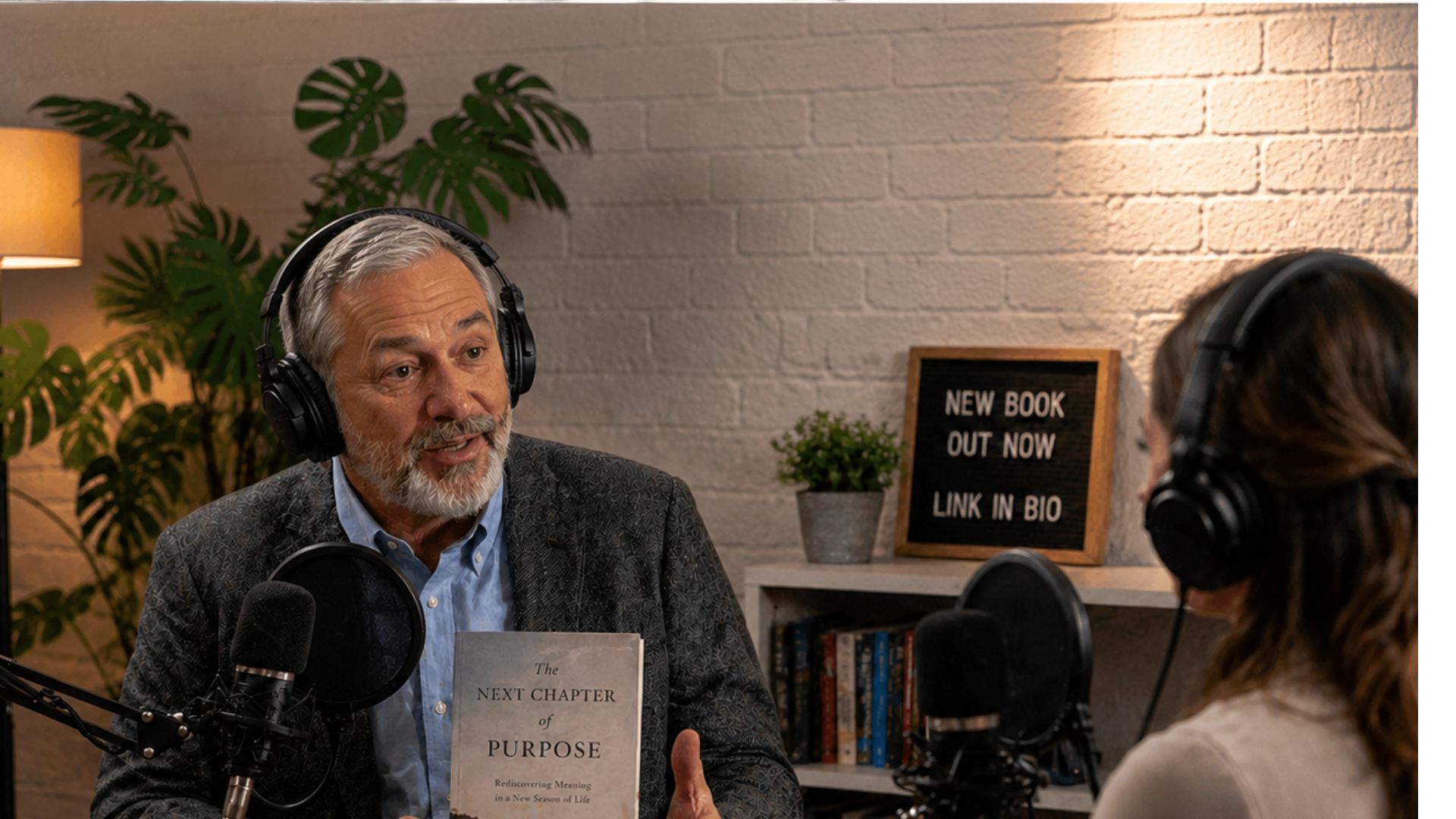
Podcast appearances are one of the most effective author podcast strategies and are underused by first-time authors. When you appear on a podcast, you're speaking to an audience who has already chosen to listen for 30 to 60 minutes. Start pitching in week one. Target shows whose audiences match your book's subject matter, such as a business author on business podcasts, to maximize conversion.
If podcasting is part of your sprint, the free ebook Mic to Money can help you turn podcast appearances into leads, sales, and repeat visibility.
Step 6: Create Video Content That Works for You
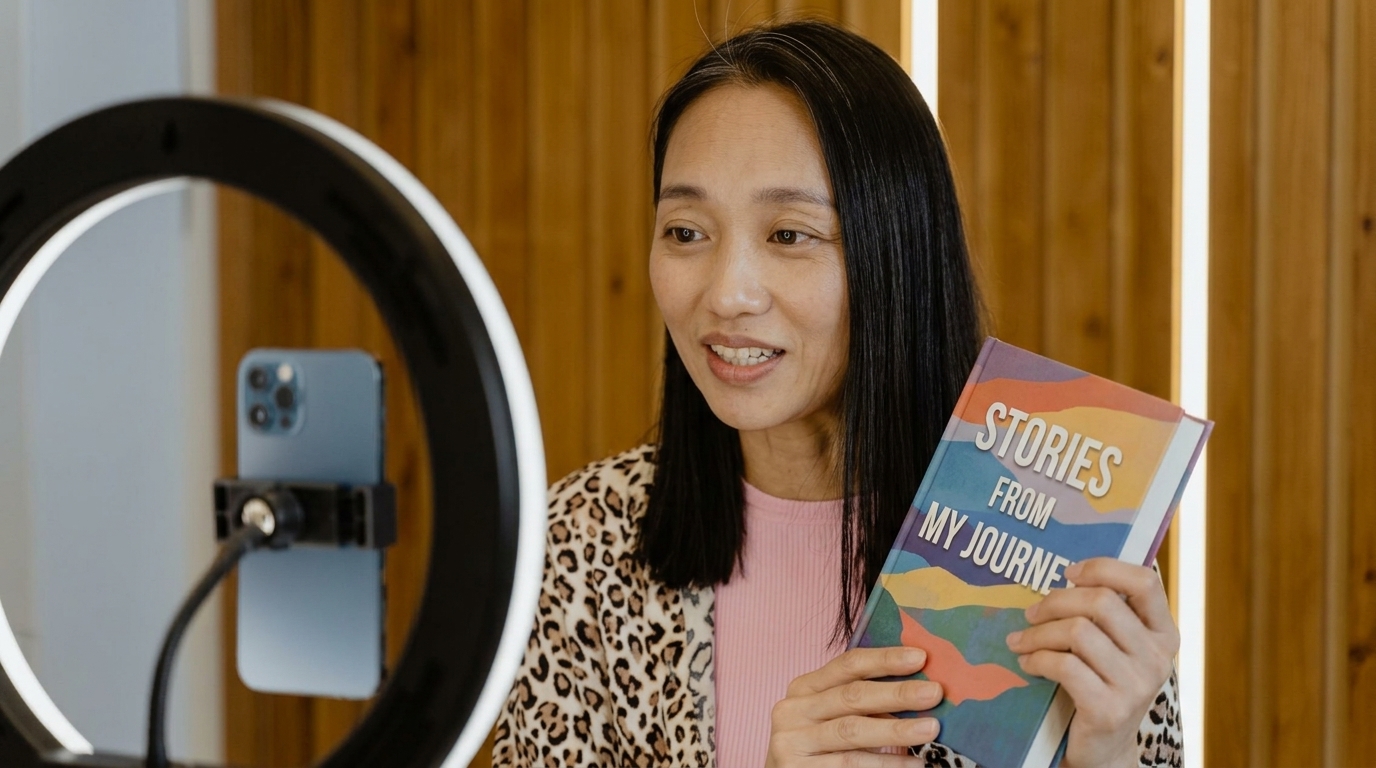
Short-form video is where discovery happens right now. Colleen Hoover's resurgence on TikTok is one of the best modern examples of author sprint marketing, showing how a burst of focused video content can drive a backlist title straight to the top of bestseller lists. You don't need a production budget. You need a clear message and a consistent posting schedule.
If you want a more polished approach, viral video production services can help you create content that moves faster than organic alone. You can also use the Viral Video Blueprint if short-form video will be a major part of your book marketing sprint.
Step 7: Use the Last Week for Reviews, Momentum, and Community
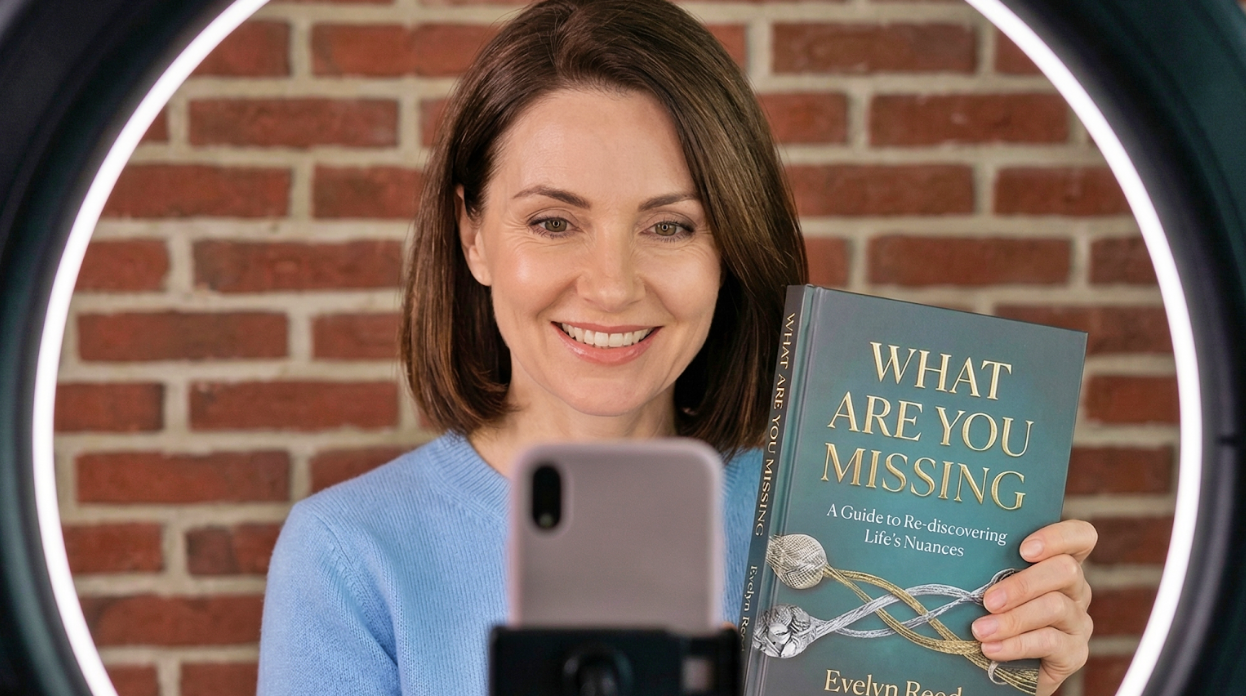
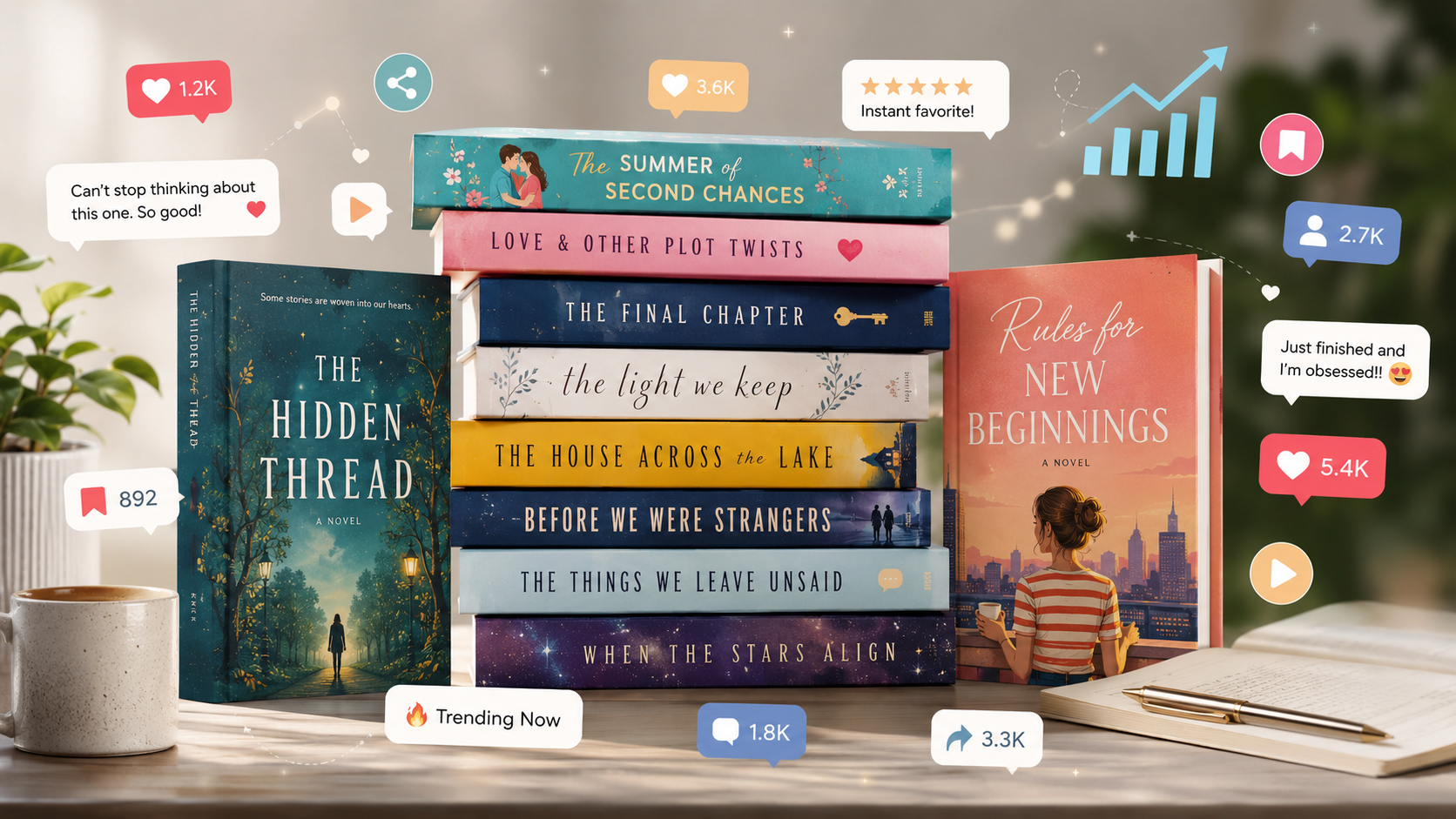
Reviews build social proof, and social proof builds sales. In week four, focus on getting early readers, beta readers, and ARC recipients to post honest reviews on Amazon, Goodreads, or wherever your book lives. At the same time, engage your community. Reply to every comment. Show up in reader groups. Be findable. There are dozens of book marketing ideas that cost nothing except consistency, and week four is when consistency pays off most.
How Personal Branding Strengthens Your Book Marketing Strategy
Step 8: Track What's Working and Double Down
By day 30, analyze your data to see which posts, podcasts, or emails drove the most engagement. Use a simple spreadsheet or phone note to track these results, allowing you to double down on what works and cut what doesn't.
Brandon Sanderson exemplifies this by using reader data to guide his marketing. You can apply this same data-driven approach at any scale to refine your strategy.
If content is part of your 30-day sprint, download FTS Pod’s free ebook Creating Authentic Content in the Age of AI for a practical framework on building trust, staying consistent, and creating content that still feels human.
Authors who want more free resources can also explore FTS Pod’s ebook library, which includes guides on authentic content, podcast monetization, AI visibility, and growth strategy.
Keep the Sprint Going After Day 30
Thirty days won't make your book a bestseller on its own, but it can build a foundation that keeps working long after the sprint ends. The authors who see the most traction aren't always the ones with the biggest budgets or the largest platforms. They're the ones who stayed consistent, tracked their results, and kept showing up. Start the sprint. See what it teaches you.































.jpg)

.jpg)
.jpg)
.jpg)
.jpg)
.jpg)











.webp)
.webp)

.webp)







.webp)



.jpg)

.webp)