

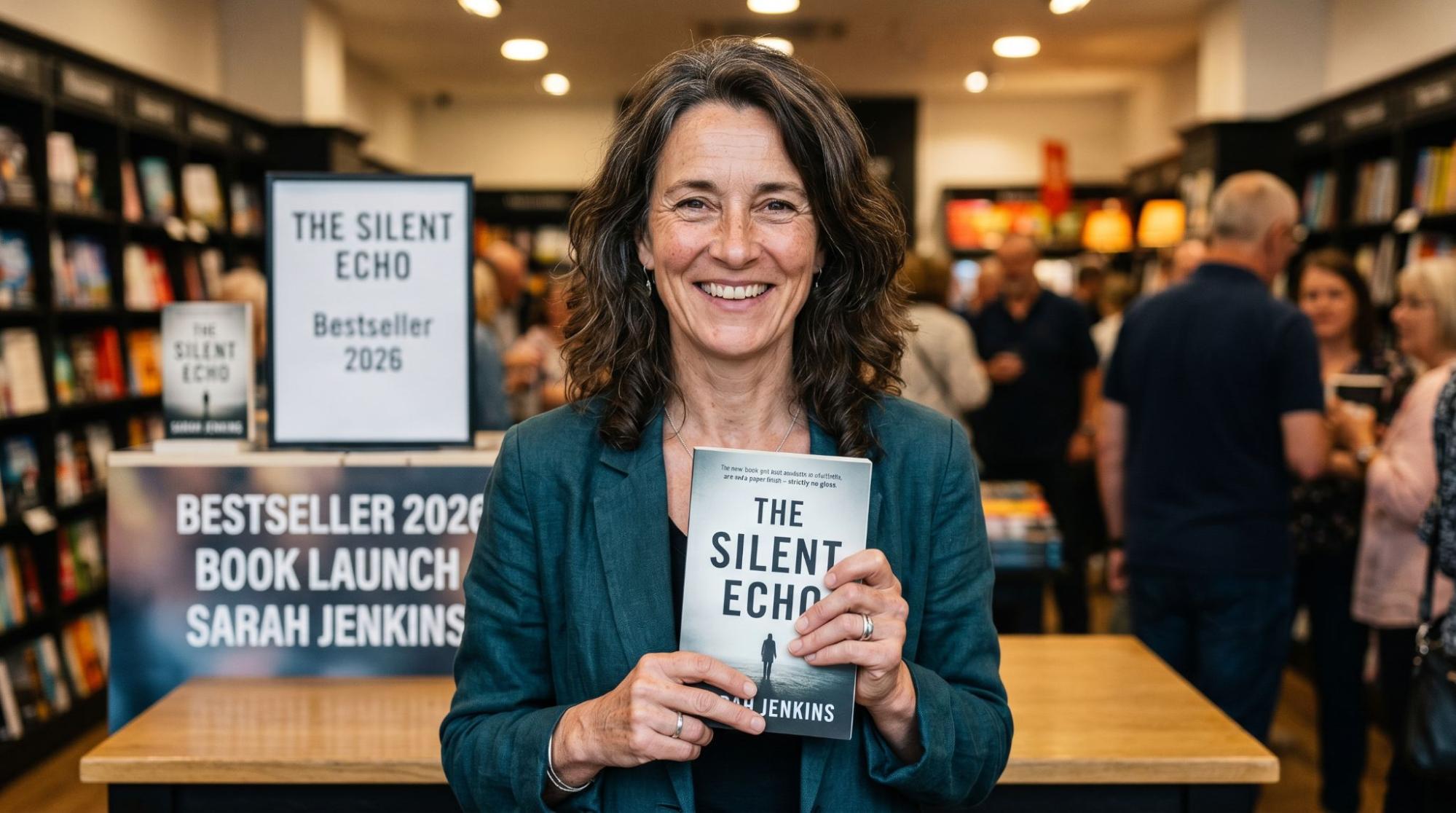
Most books have a short window. A launch week, a spike, maybe a few months of steady sales, and then silence. But a small group of authors manage to keep selling year after year, sometimes across titles, genres, and decades. The difference usually isn't marketing budget. It's brand. When you build your brand as an author before, during, and after a book launch, you create something that outlasts any single release.
Key Takeaways
- An author brand is not about being famous; it is about being recognizable and trusted within a specific audience.
- Long-term book sales depend more on consistent presence and clear positioning than on a single strong launch.
- Your personal branding choices, from your bio to your content pillars, shape how readers discover and remember you.
- Podcast appearances and consistent social media can extend a book's reach long after publication.
- Authors who treat their brand as a business asset, not an afterthought, tend to build careers that compound over time.
What an Author Brand Actually Is
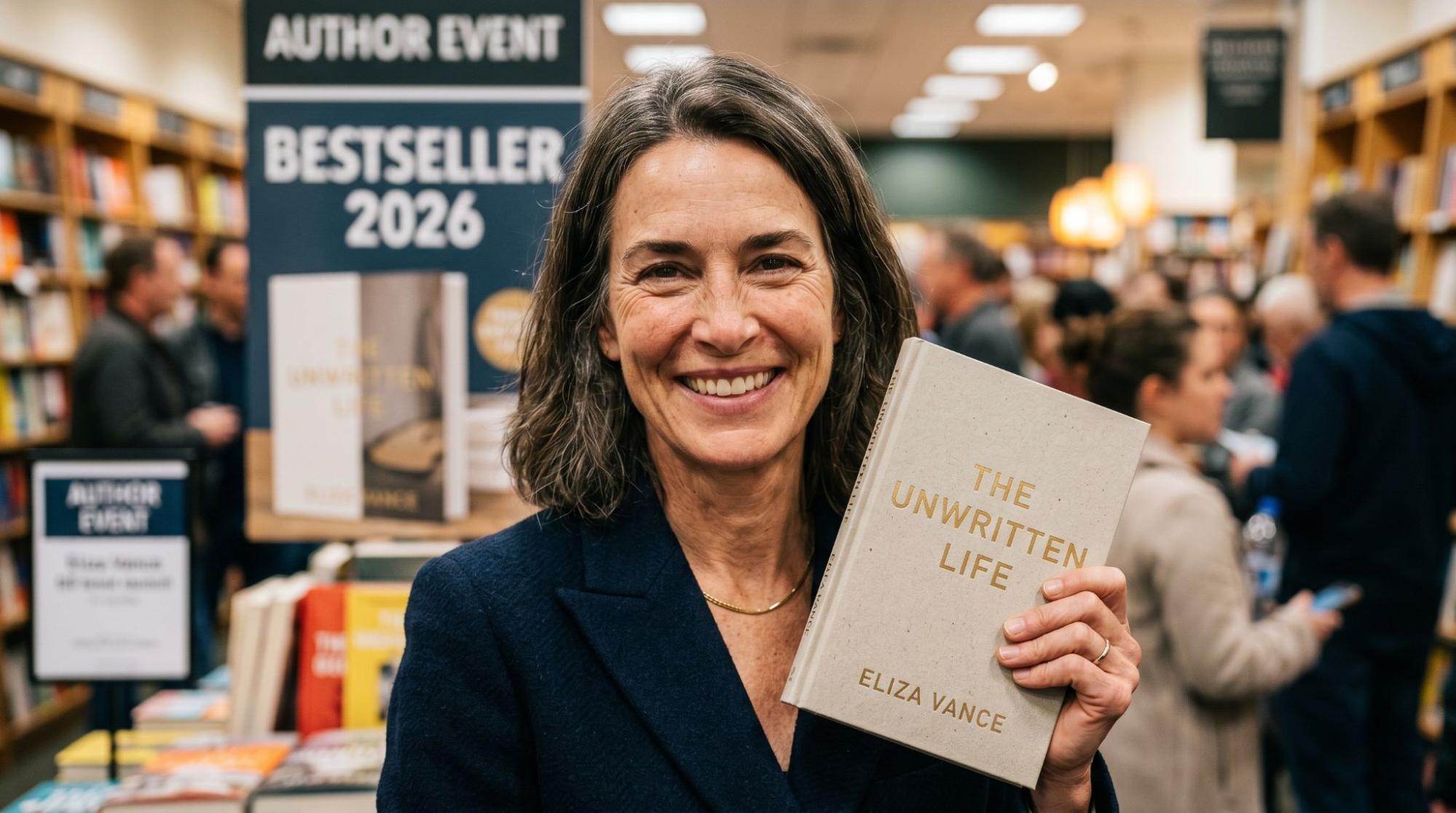
An author brand is the consistent impression you leave on readers, shaping their expectations and recommendations. Colleen Hoover succeeded by fostering personal connections, while James Clear established his identity in behavior science long before "Atomic Habits," making his success feel inevitable.
This brand grows through deliberate choices in public topics, social media presence, and interview style. It prioritizes a consistent message and direct audience connection over mere aesthetics.
For authors building a long-term content voice, FTS Pod’s free ebook Creating Authentic Content in the Age of AI offers a practical framework for creating content that feels clear, human, and trustworthy.
5 Author Branding Tactics That Sold 10,000+ Copies (Real Examples)
Start with Clear Positioning
Durable brands demand precise targeting and purpose. Vague positioning leads to being forgotten, whereas successful authors like Mel Robbins align their public identity with specific reader challenges, such as self-doubt, ensuring content consistency.
Defining a desired shift in your readers' worldview simplifies bios, content, and pitches. Authentic branding amplifies a writer's genuine identity to help ideal readers connect. Good personal branding does not mean manufacturing a persona. It means knowing what is genuinely true about you as a writer and amplifying that in a way your ideal reader can feel.

Build a Platform That Works While You Write
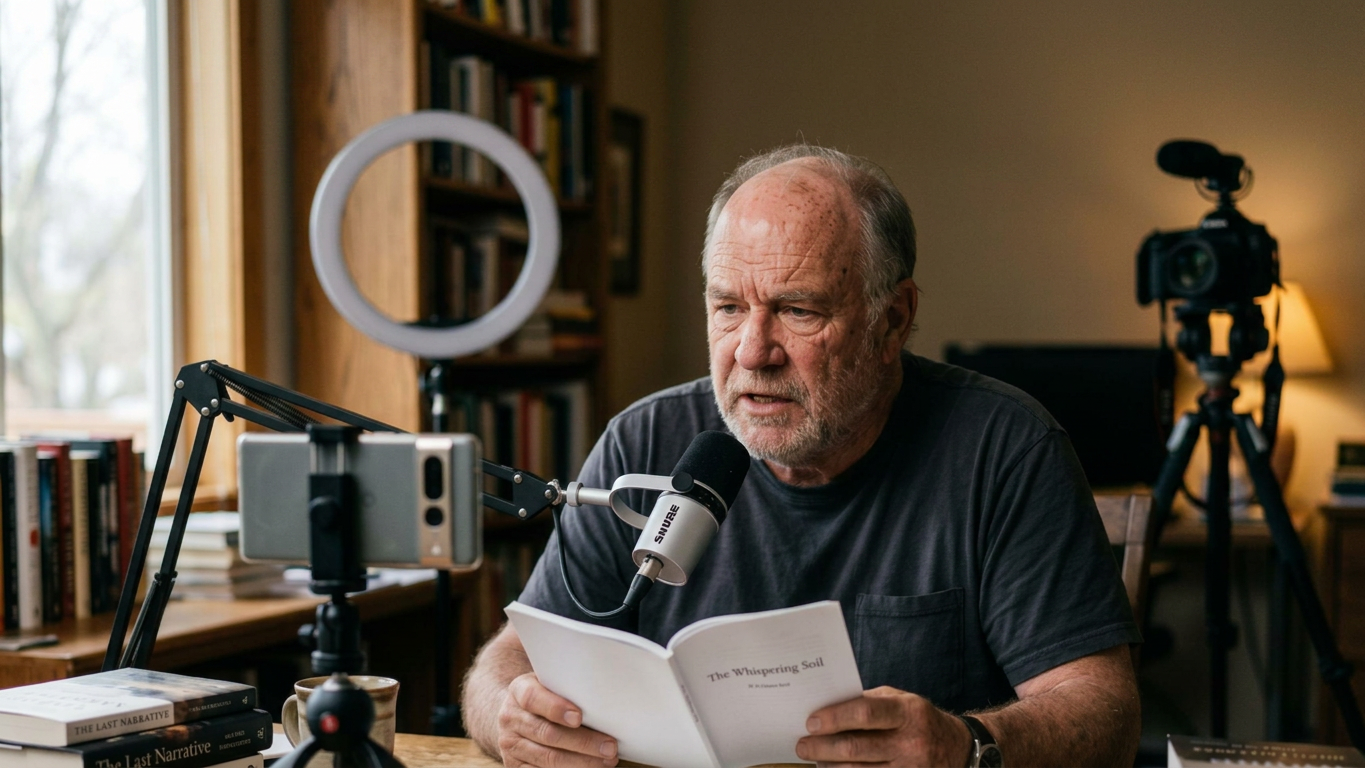
A platform is any channel, like a newsletter or podcast, where your audience finds you consistently. Brandon Sanderson built his following by showing up on YouTube and Reddit, giving readers a reason to stay engaged between releases.
Focus on two or three channels where your readers already are. Show up consistently with unique insights and discussions rather than just promotional posts.
While many book marketing ideas work, a strong platform creates compounding returns, making every piece of content a discovery point for future readers. Learning how to become an influencer in your niche is a practical strategy to keep your book in circulation without relying solely on paid ads.
Related: The Storytelling Framework Authors Use to Build Personal Brands on Podcasts
Use Social Media with a Strategy, Not Just a Schedule
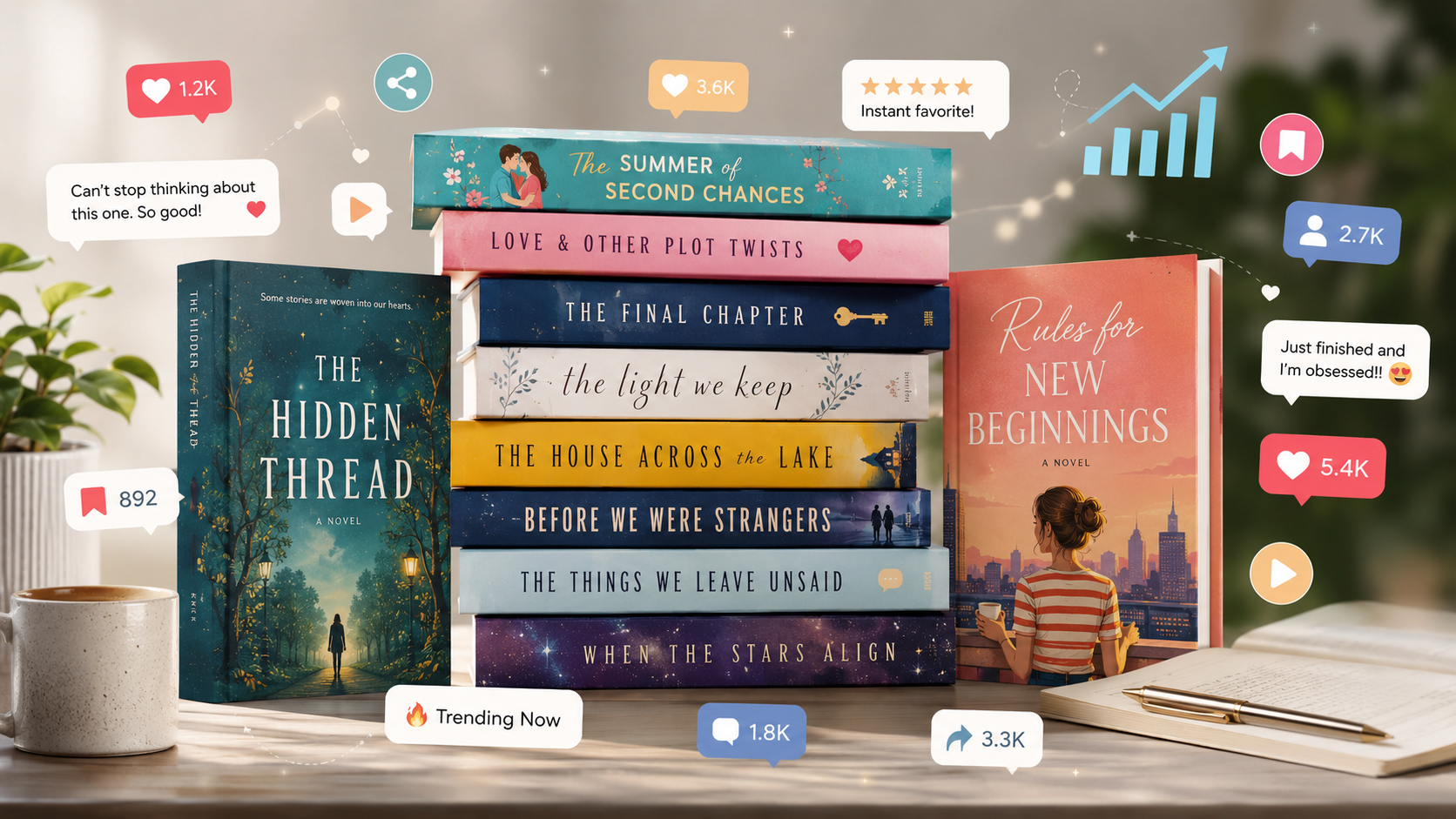
Strategic posting outweighs mere consistency. A 30-day plan targeting reader behaviors and buying triggers is more effective than months of random content. Focus on answering the specific questions your readers search for.
Tailor your approach to the platform; LinkedIn strategies for business authors differ from TikTok or Instagram methods for fiction writers. Success requires understanding where your audience spends time and what they value.
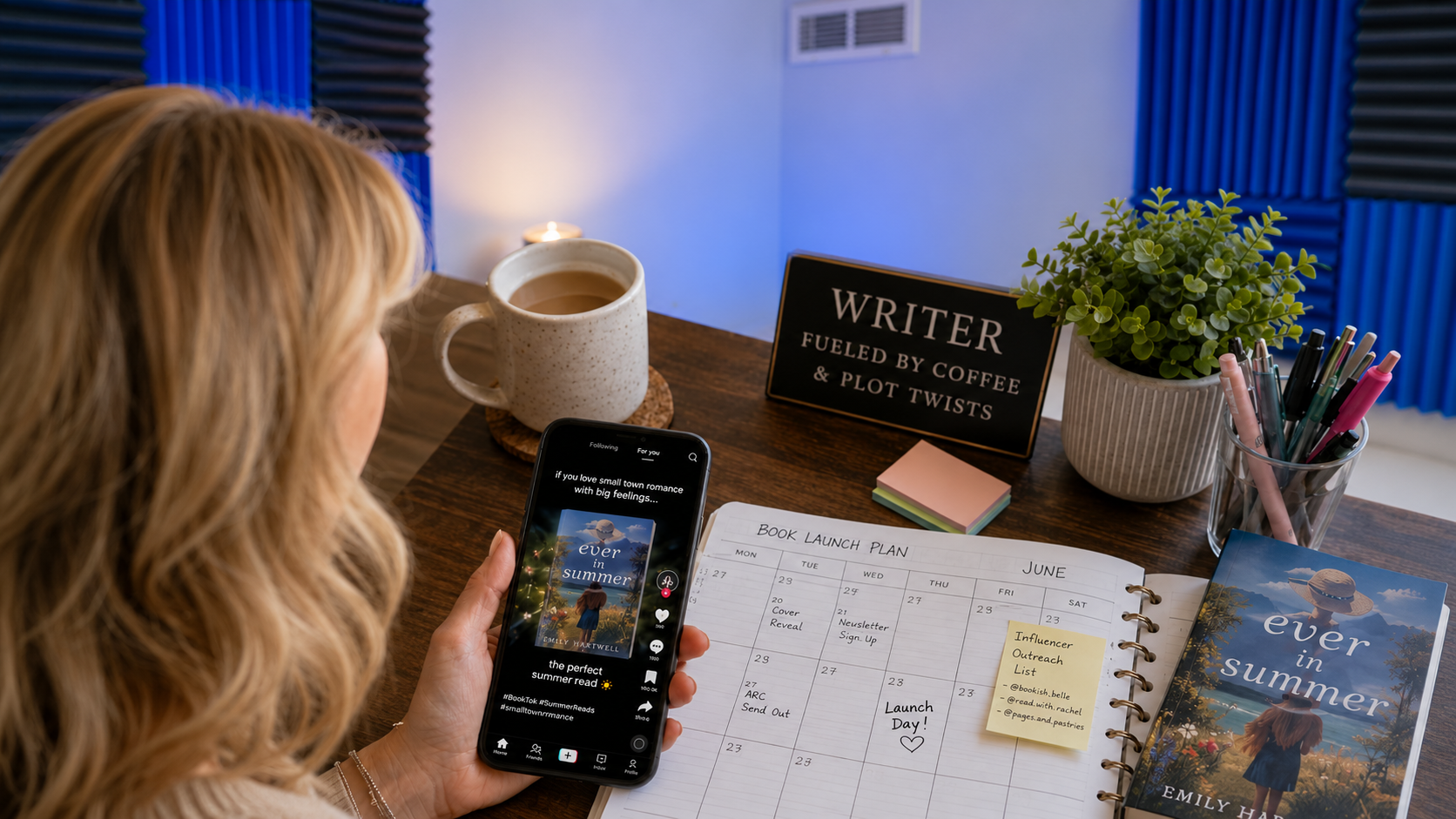
A well-planned 30-day social media plan to promote your book can help you stop treating social media like an obligation and start treating it like an actual distribution channel. If short-form video is part of that strategy, the Viral Video Blueprint can help you turn author ideas into content that builds attention around your book.
For authors who want to see exactly how each platform functions differently, a breakdown of proven ways to promote your book on YouTube, LinkedIn, TikTok, Instagram, and Facebook can clarify which channels make sense for your genre and goals.
If you want to map out a sustainable author brand strategy with someone who has helped founders and creators turn their expertise into long-term visibility, you can book a strategy call with the FTS team and walk away with a real plan, not just a checklist.
Get on Podcasts. More Than Once.
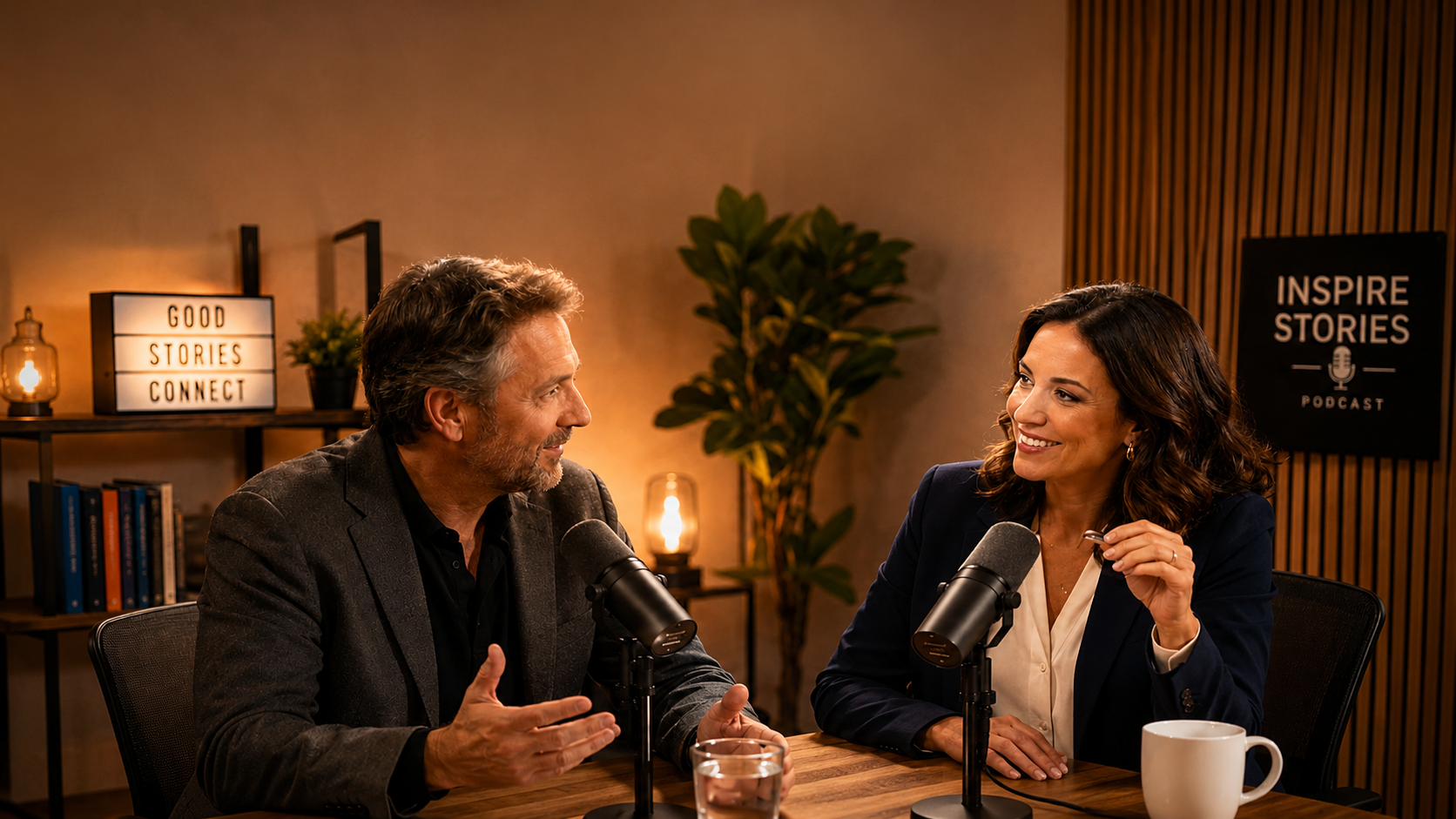
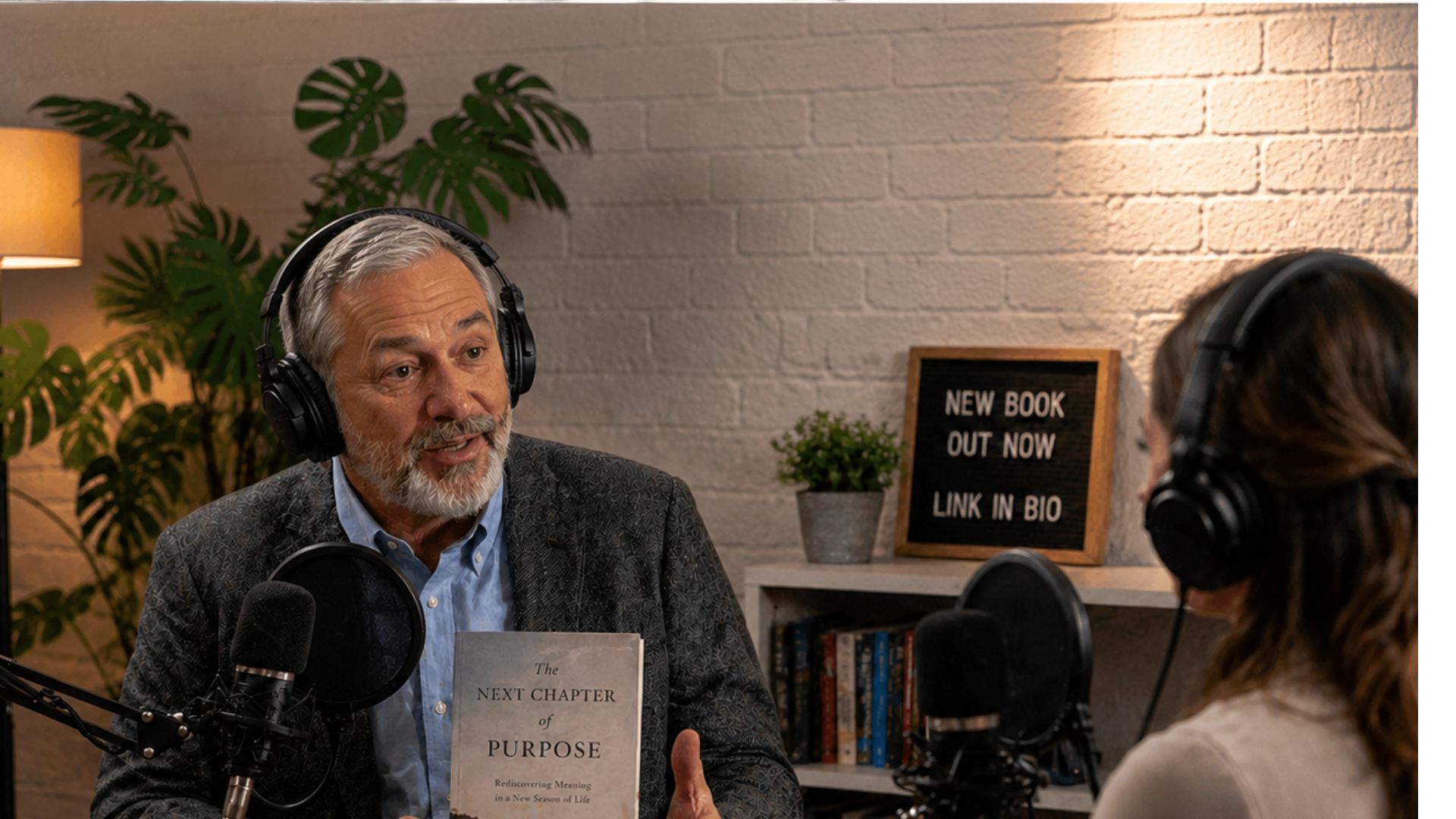
Podcasts offer rare shelf life for author brands. Unlike fleeting press, episodes remain discoverable for years, keeping your book and ideas relevant long after the initial recording. Smart authors use podcast tours for authors to maintain visibility, updating their angles as conversations evolve to stay connected with their audience.
Understanding how podcasting fits into PR campaigns can also reframe how you think about media entirely. It's not a bonus step; it's often the most direct path to the audience you actually want.
For anyone who wants to go deeper on turning podcast appearances into real business results, the free ebook Mic to Money lays out exactly how to convert podcast visibility into clients and sales, without the fluff.
6 Author Personal Brands Worth Stealing From (Brandon Sanderson, Mel Robbins, More)
Think About the Long Game from Day One
Authors who build careers that last do not treat each book as a standalone event. They treat it as another chapter in a longer story they're telling about who they are and what they believe. Every book, interview, and social post either reinforces that story or muddies it.
Building a long term author platform means thinking about the reader relationship beyond the transaction. It means showing up when you don't have a book to sell, engaging with your community, and being a resource in your topic area even between releases. The authors who disappear between launches are the ones who only built a marketing campaign. The ones who last built a brand.
Authors who want more free resources can also explore FTS Pod’s ebook library, which includes guides on authentic content, podcast monetization, AI visibility, and growth strategy.
Whether you're planning your first book or your fifth, the FTS Growth Studio has worked with founders and authors to build lasting visibility through content, media, and community. Connect with the team to explore what a full brand strategy could look like for your work.
Conclusion
Author branding is a long-term commitment to consistency and a distinct perspective. Lasting success comes from continuous audience connection rather than just a strong launch. By prioritizing clear positioning, platform investment, purposeful social media, and podcasting, you build a compounding brand that sustains book sales well beyond launch day.































.jpg)

.jpg)
.jpg)
.jpg)
.jpg)
.jpg)












.webp)
.webp)

.webp)






.webp)



.jpg)

.webp)