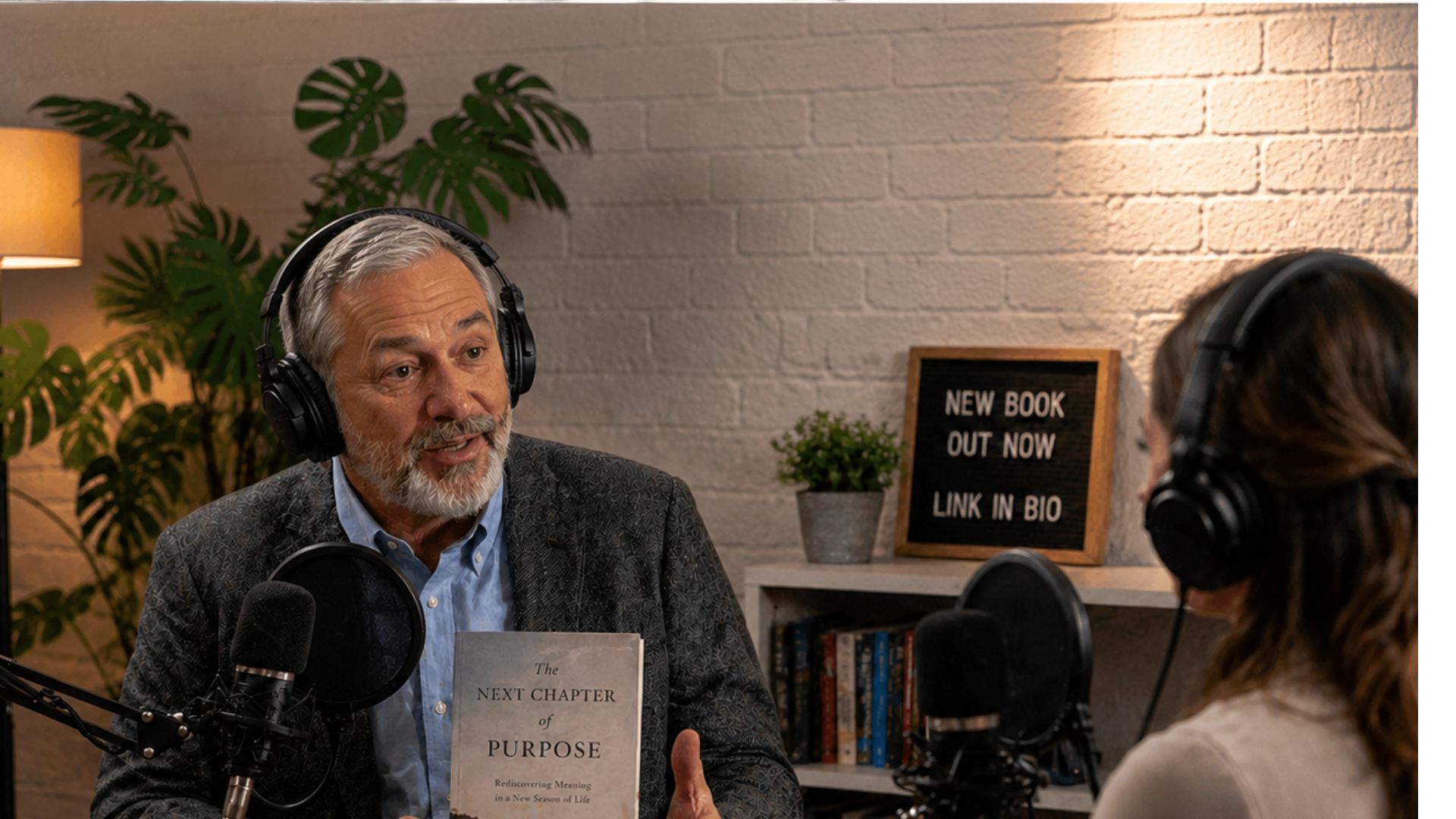

Most authors spend months writing a book, then treat promotion like an afterthought. They post a few times on social media, maybe send an email to their list, and wait. Podcast guesting is one of the most effective book marketing strategies available right now, and it's still wildly underused.
The reason it works is simple: you're speaking directly to an audience that already chose to spend time learning something. When you show up on the right show, you're not fighting for attention. You already have it.
Key Takeaways
- Podcast guesting puts your ideas in front of warm, already-engaged audiences who actively chose to listen.
- A targeted pitch to the right shows beats mass outreach every single time.
- Your episode doesn't stop working when it publishes. Repurpose every appearance across multiple channels.
- One strong call-to-action tied to a free resource converts curious listeners into real buyers.
- Consistency across 10 to 20 appearances compounds your visibility and builds lasting reader trust.
Step 1: Define What You Want the Listener to Do
Before you pitch a single podcast, get clear on your end goal. Do you want listeners to buy the book immediately? Sign up for your email list? Book a call with you? Most authors skip this and end up with a great interview and zero conversions. Every appearance should have one clear outcome in mind, and everything you say on that episode should point toward it.
Step 2: Build a Targeted Podcast List
Avoid random outreach. Instead, target podcasts with audiences aligned with your book's topic, such as business or wellness shows. A curated list of 30 to 50 relevant shows is more effective than mass-pitching generic ones.
Identify the right programs by studying your ideal reader's existing subscriptions. Successful authors like Mel Robbins and James Clear built their reputations by consistently appearing on the shows their target audience already listens to.
Step 3: Craft a Pitch That Serves the Host
Avoid self-promotional pitches that hosts easily ignore. Instead, focus on providing value to their specific audience by referencing recent episodes and explaining why your expertise fits their listeners' interests. Keep your pitch concise to demonstrate you have actually listened to the show.
Provide one or two clear talking points to help the host visualize the conversation. Simplifying their preparation leads to faster approvals.
Step 4: Prepare a Story-Driven Interview Framework
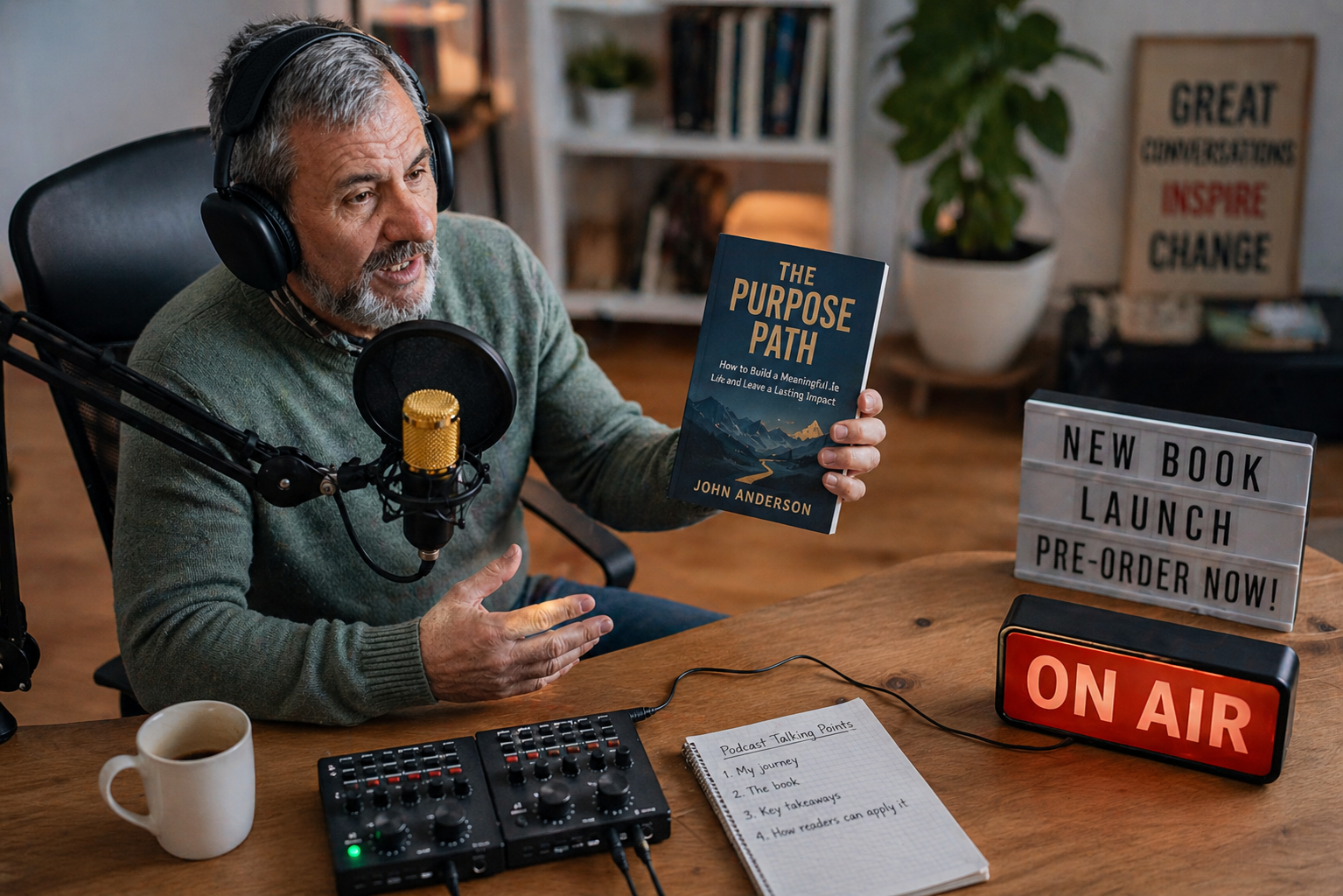
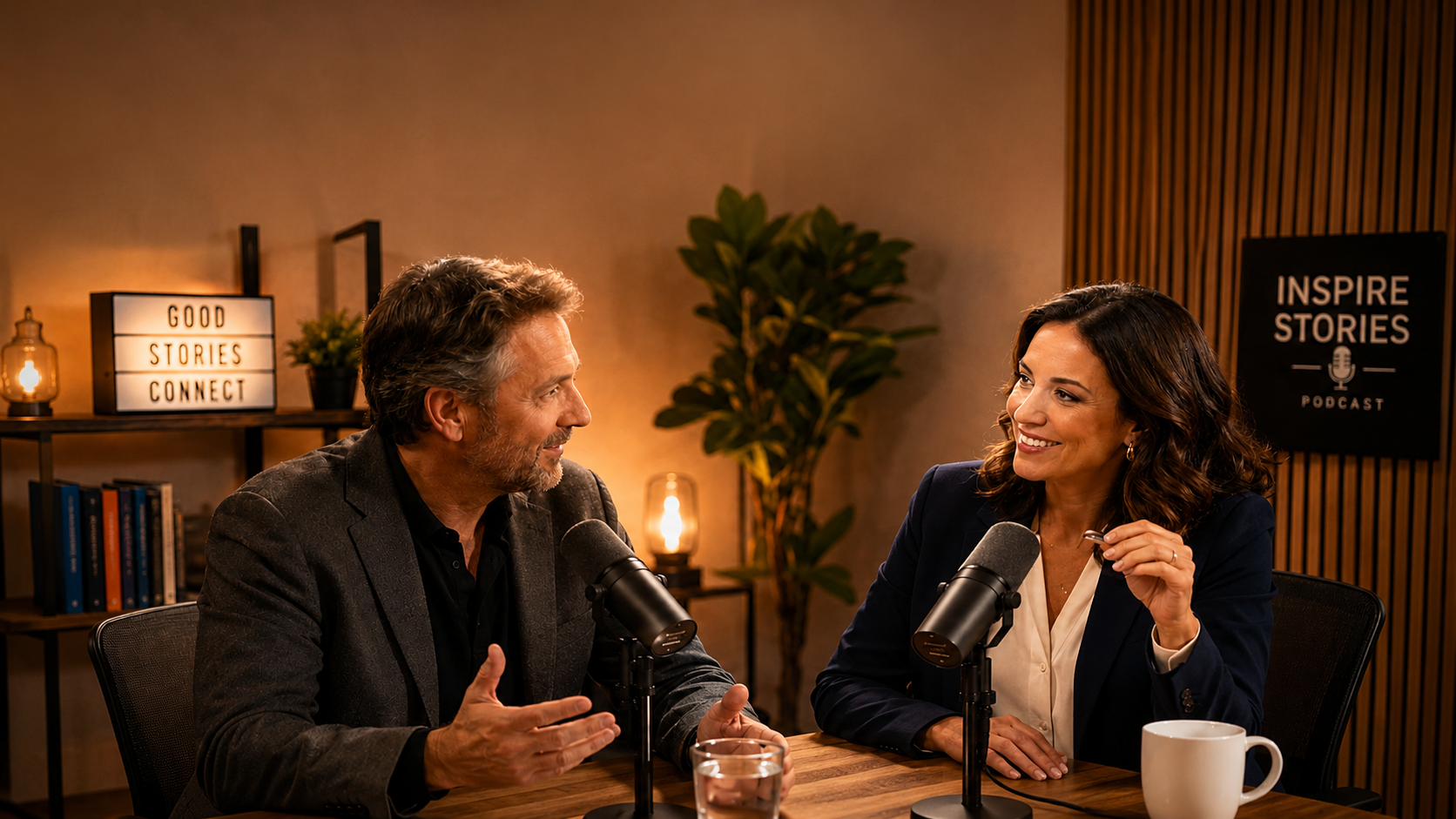
You don't wing a podcast appearance. You show up with a framework, not a script. Know the three or four core stories that illustrate your book's main ideas, and practice telling them in two to three minutes each. Authors who do well on podcasts aren't reciting talking points. They're sharing real moments that naturally lead the listener to want more.
Understanding how book sales through audio happen helps frame this: listeners connect emotionally first, then they buy.
The Complete Book Launch Playbook: 10 Strategies Bestselling Authors Used in 2026
Step 5: Create a High-Converting Landing Page for Listeners
Every episode needs a destination. Build a simple landing page specifically for podcast listeners with a free resource tied to your book, like a checklist, the first chapter, or a short workbook. This is your list-building mechanism. When you mention it on air, you're giving listeners a reason to take action right now, not later when they've forgotten your name.
If you want to skip the guesswork on converting listeners into leads, you can grab the free ebook Mic to Money, a no-fluff playbook for founders, consultants, and creators who want to turn podcast appearances into signed clients on repeat.
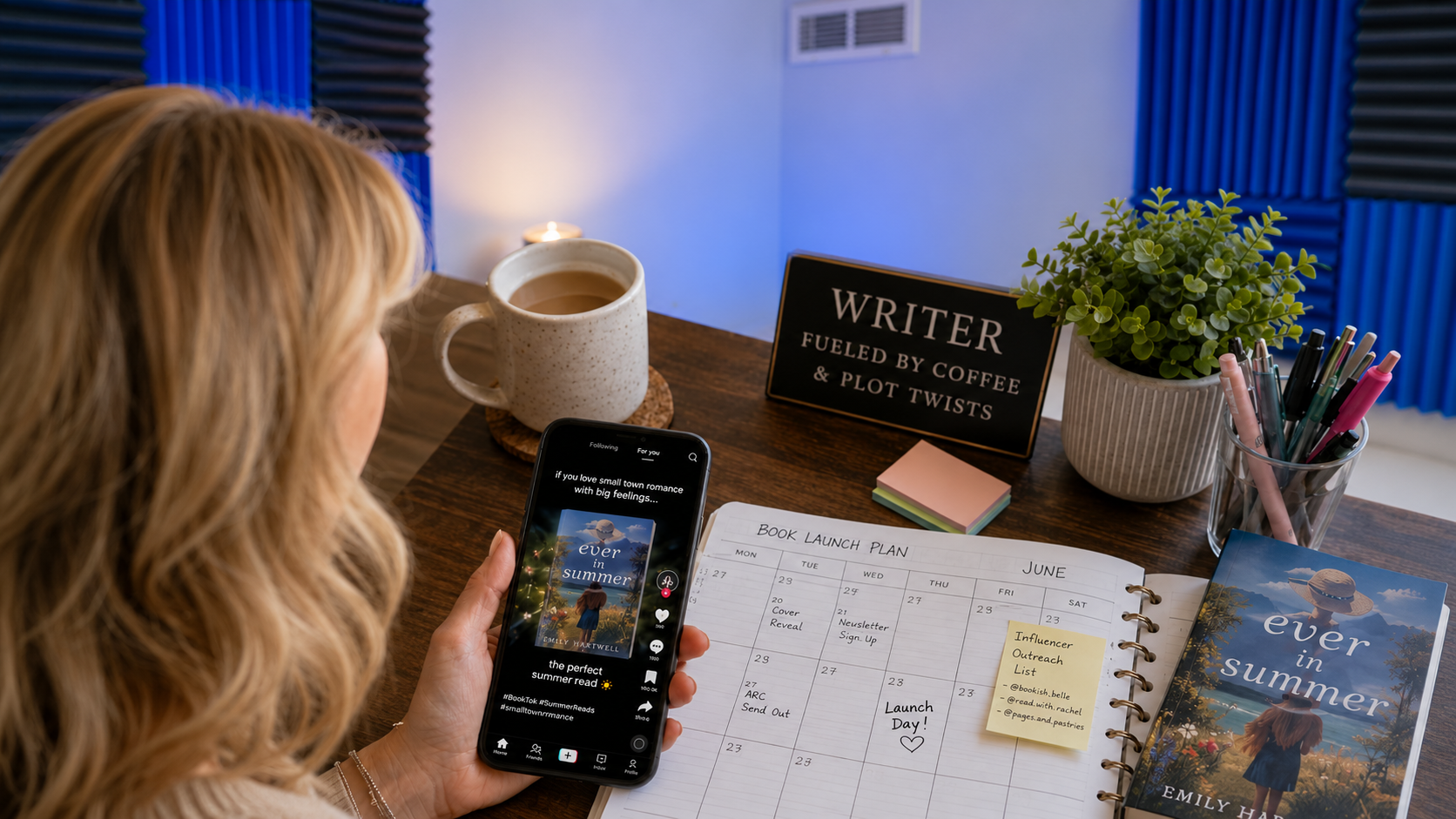
Building out a solid 30-day social media plan around each appearance keeps your name in front of potential readers long after the episode drops. For help turning each appearance into stronger content, download FTS Pod’s free ebook Creating Authentic Content in the Age of AI for a practical framework on creating content that feels clear, human, and trustworthy.
Step 6: Show Up Like a Pro on Recording Day
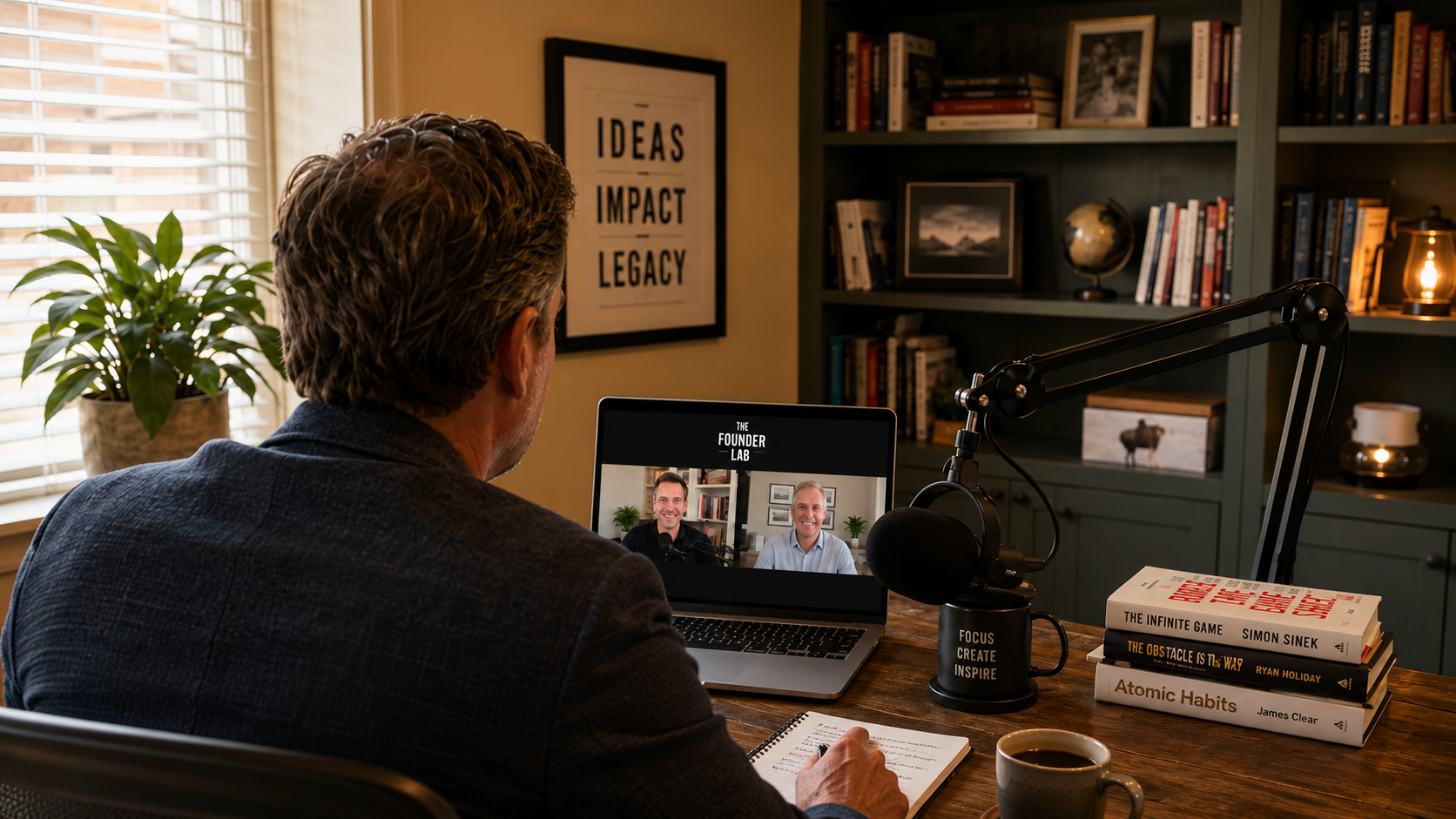
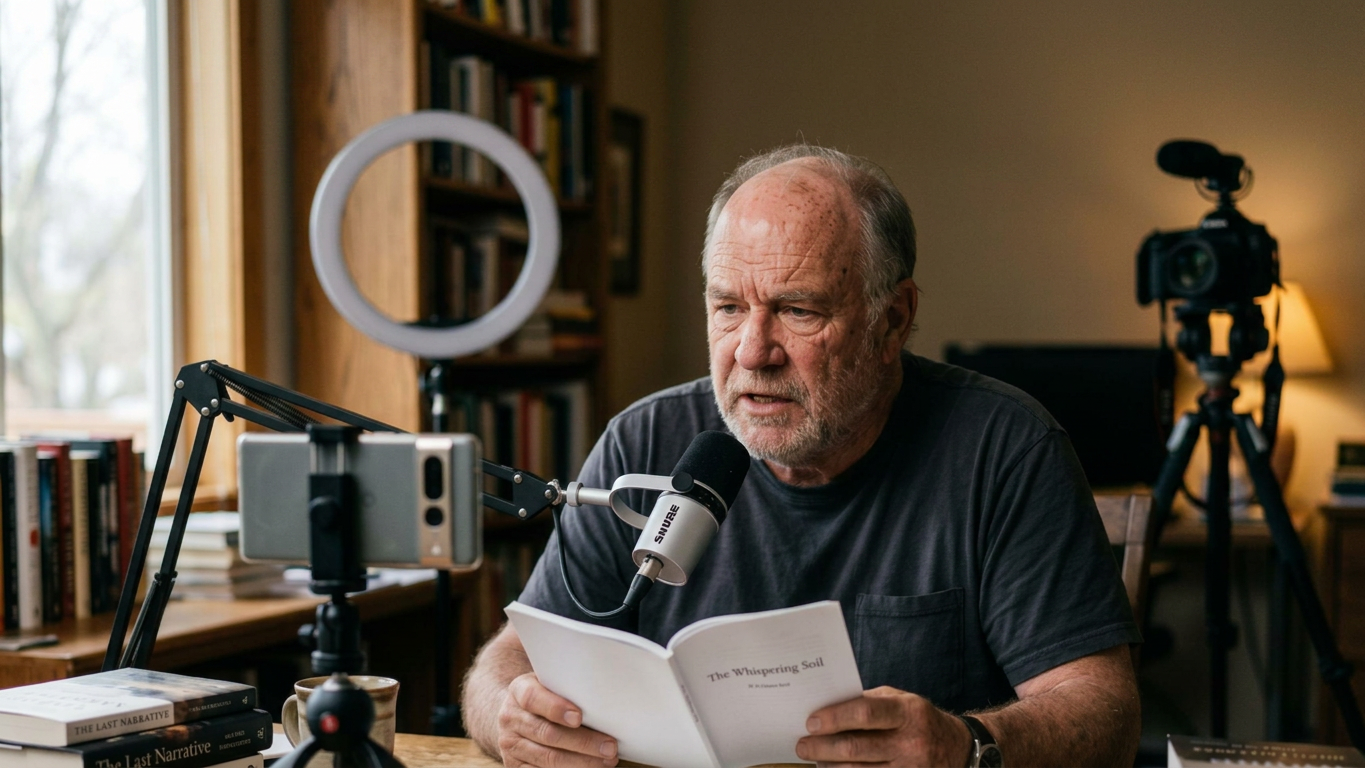
Audio quality matters more than most authors realize. A decent USB microphone, a quiet room with soft furnishings, and a stable internet connection are the basics. Beyond the technical side, come prepared with energy. The host invited you because they thought you'd bring value to their listeners. Deliver on that.
End the interview with your single call-to-action. Don't give three options. Pick one, say it clearly, and make it memorable.

Step 7: Repurpose Every Episode Aggressively
One podcast appearance shouldn't live in one place. Pull the best two or three minutes and turn them into short video clips for social. Transcribe the episode and build a blog post around it. Pull quotes for graphics. Share the audio on your newsletter. A single 45-minute interview can become two weeks of content if you know how to break it apart.
If short-form video is part of your promotion plan, the Viral Video Blueprint can also help you turn podcast clips and author ideas into content that builds attention around the book. Building out a solid 30-day social media plan around each appearance keeps your name in front of potential readers long after the episode drops.
Step 8: Use Podcast Appearances to Build Your Email List
Your email list is your most reliable channel, as subscribers have chosen you directly, making list growth the key goal of every podcast appearance (ensure your landing page and lead magnet are ready). Authors exploring effective podcast promotion report that podcast-acquired email subscribers convert to buyers at a higher rate than social followers. For scaling this system, FTS Growth Studio can handle guest sourcing and publishing; schedule a strategy call with FTS Growth Studio to map your plan.
Step 9: Track What Works and Double Down
Analyze which episodes drive results like traffic and signups to identify high-performing patterns. By following the data and targeting responsive audiences and effective formats, you can replicate success.
Bestselling authors Colleen Hoover and Brandon Sanderson achieved sustained success by consistently reaching readers where they already congregate.
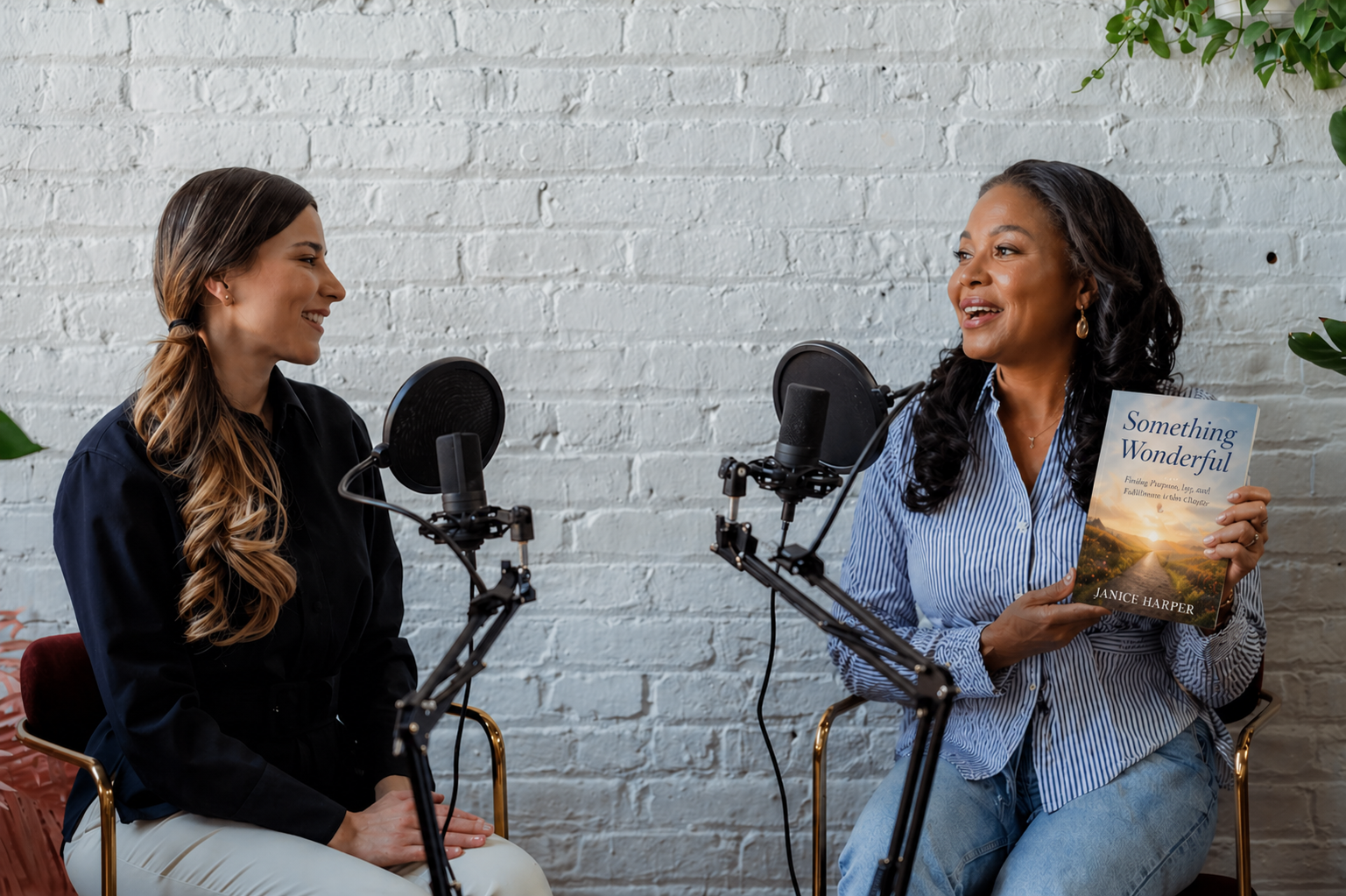
How Personal Branding Strengthens Your Book Marketing Strategy
Step 10: Think in Campaigns, Not One-Off Appearances
One episode is a spark, but ten to twenty create a real campaign. By leveraging podcast appearances over a 60 to 90-day window, you build overlapping waves of exposure that make your name familiar to new audiences. Successful authors use a systematic strategy, treating every interview as a prepared step toward a larger goal.
Authors who want more free resources can also explore FTS Pod’s ebook library, which includes guides on authentic content, podcast monetization, AI visibility, and growth strategy.
Putting It Together
Podcast guesting grows your audience and authority simultaneously. By approaching appearances with intention, targeting the right shows and sharing prepared stories, you provide a clear path for listeners to take action.
Consistency in these 10 steps is key. Professional podcast management can handle the operational details, allowing you to focus on connecting with listeners and selling books. To promote your book without paid ads, podcasting serves as a powerful organic channel for your strategy.






























.jpg)

.jpg)
.jpg)
.jpg)
.jpg)
.jpg)















.webp)
.webp)

.webp)







.webp)



.jpg)

.webp)