

Publishing differs from launching. Successful 2026 bestsellers relied on strategic, intentional plans centered on audience connection rather than just release dates. Success came from preparation, not just platform size. These authors started months early, deliberately building communities where their readers gathered. This is their playbook.
Key Takeaways
- Building an audience before launch day is more powerful than any last-minute promotion.
- Pre-orders create algorithmic momentum and signal serious demand to retailers.
- Podcast guesting consistently outperforms traditional PR for reaching the right readers.
- A targeted email list remains the highest-converting direct sales channel for authors.
- Launch teams and sustained post-launch content drive long-term visibility beyond release week.
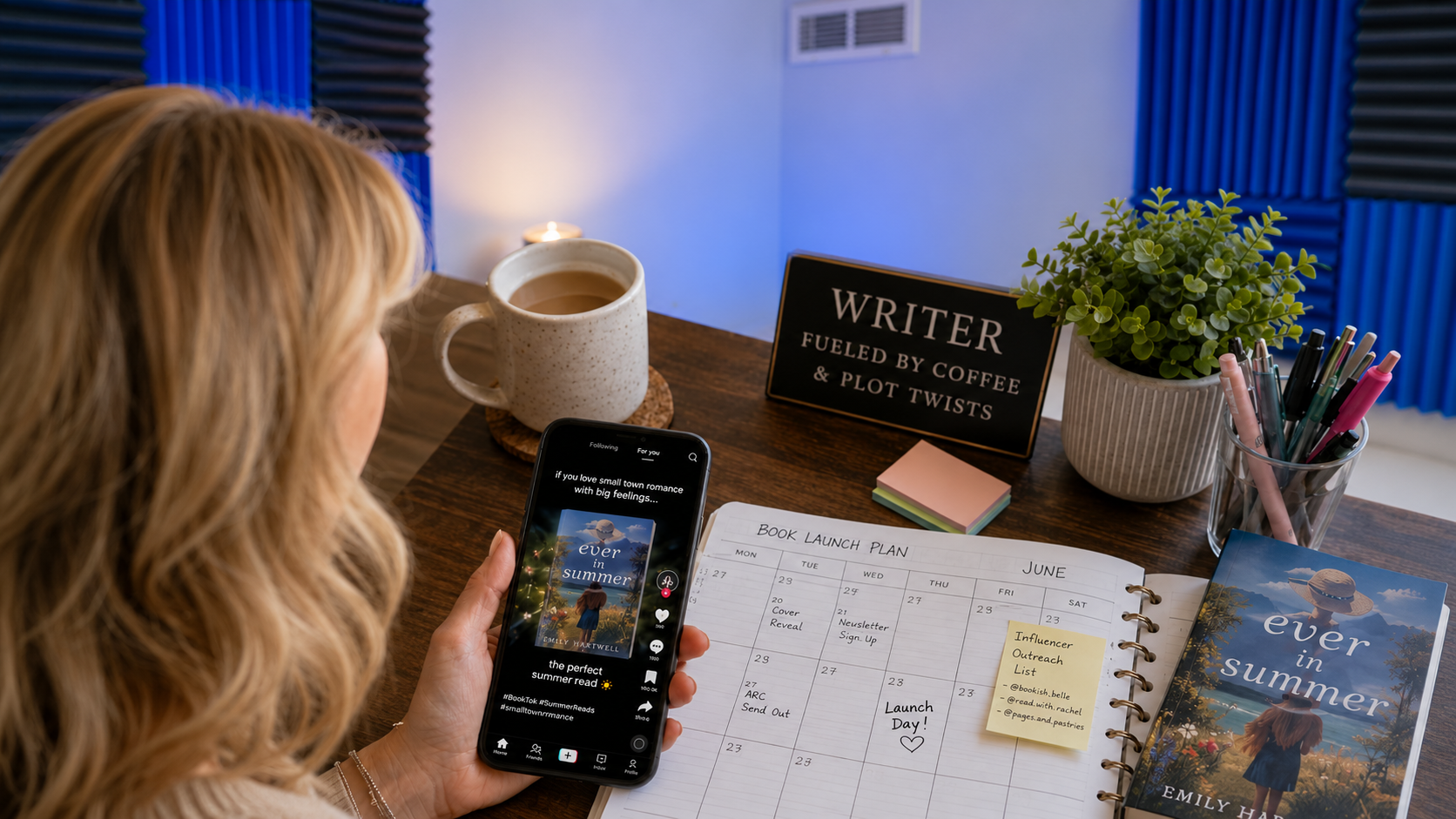
1. Start Building Buzz at Least 90 Days Out
Successful authors treat release day as the culmination of months of intentional work. Strong pre-launch planning gets your audience invested early. Build anticipation by sharing the story, research, and ideas behind the book. Three months of consistent, genuine content builds excitement that no paid campaign can replicate.
For authors planning months of launch content, FTS Pod’s free ebook Creating Authentic Content in the Age of AI offers a practical framework for building a voice that feels human, consistent, and trustworthy in a crowded content environment.
2. Use Pre-Orders as a Launch Multiplier
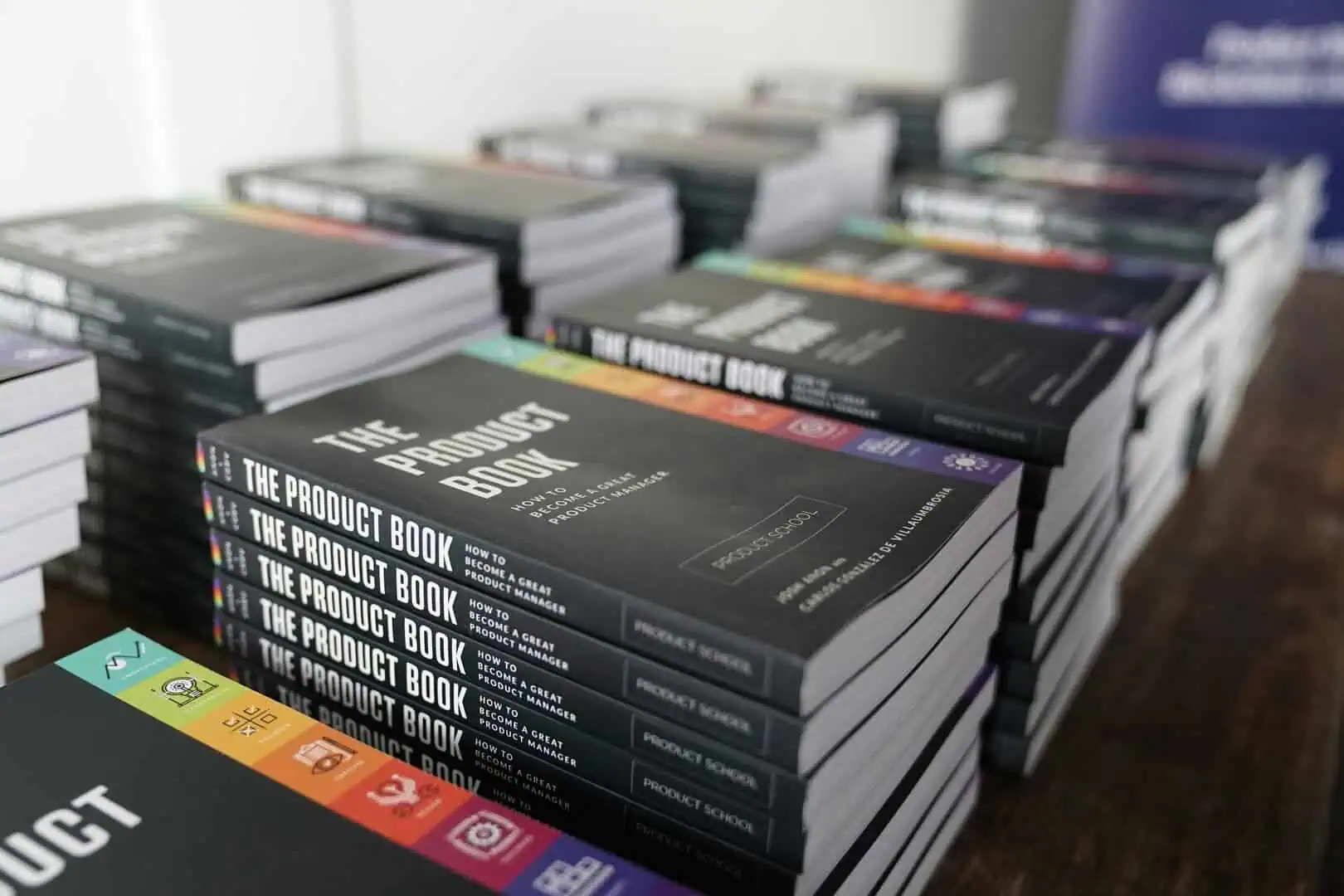
Pre-orders are a powerful demand signal for retailers and algorithms, affecting placement and visibility. Authors who focus on driving pre-orders see compounding results on launch day. Always attach a meaningful incentive, like a bonus chapter or exclusive Q&A, to encourage early commitment and sharing.
The 10-Step Podcast Promotion Strategy Authors Use to Sell Books
3. Build a Launch Team That's Actually Engaged
A launch team is a small group of advance readers who support your launch in exchange for early access and insider updates. When done right, it's one of the most cost-effective tools in any book marketing strategy. The catch: it only works if your team members feel like they're part of something, not just asked to perform a task.
Recruit from your existing audience six to eight weeks out, give them a clear timeline, and treat them like insiders throughout the process. Being aware of the common mistakes to avoid, like waiting too long to recruit or overwhelming people with asks, keeps your team motivated and effective through the full launch window.

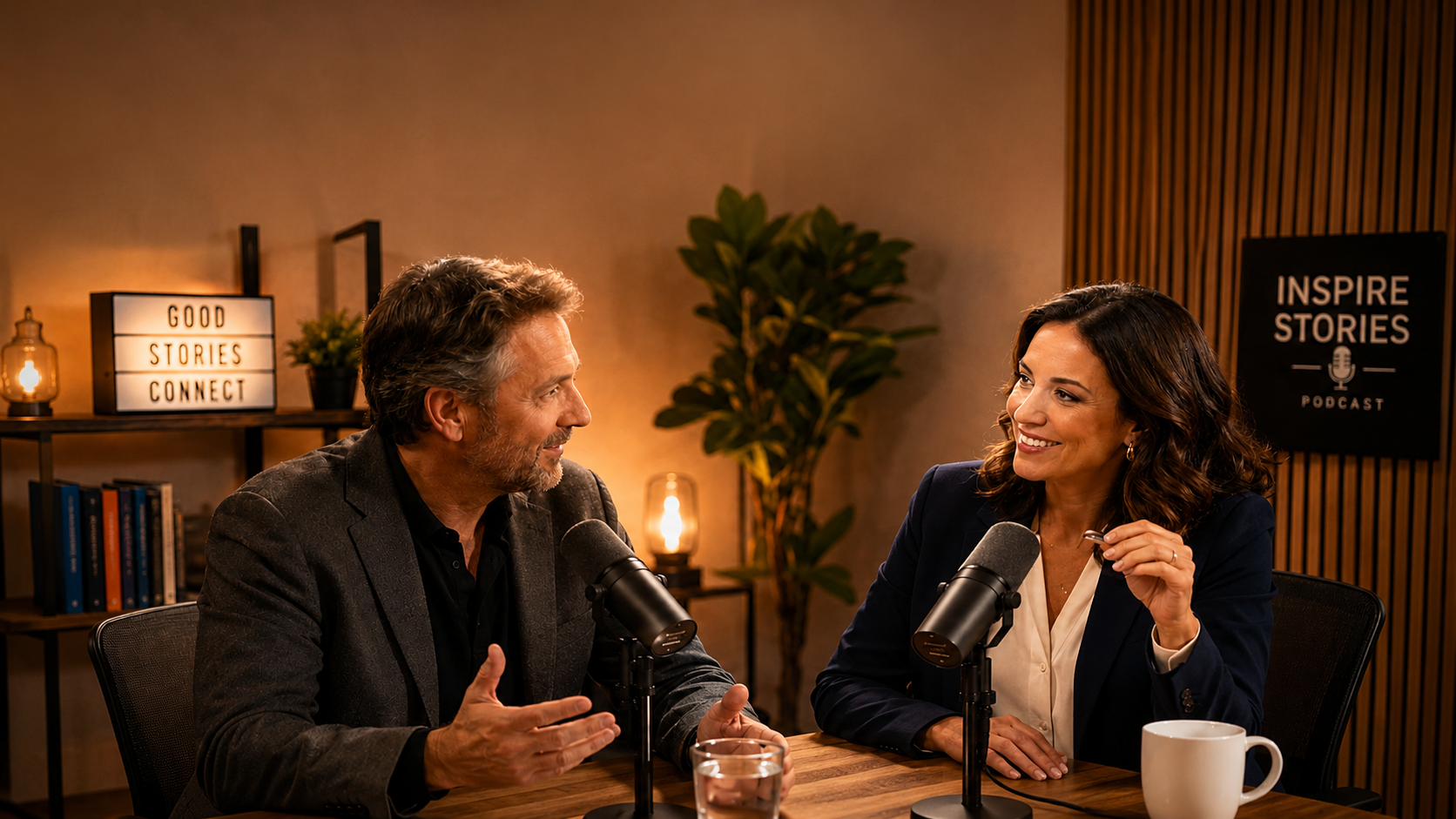
4. Go on Podcasts Before the Book Comes Out
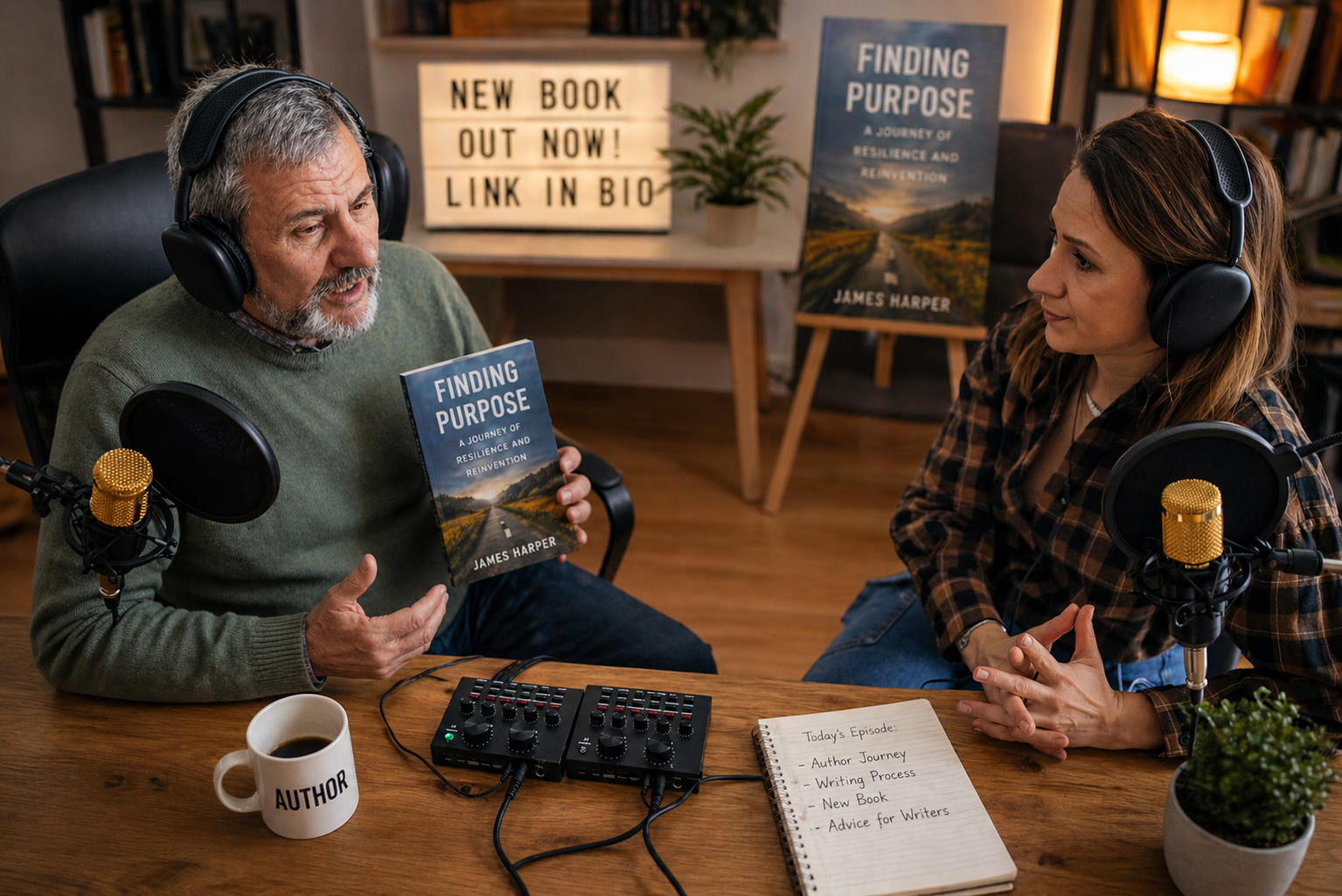
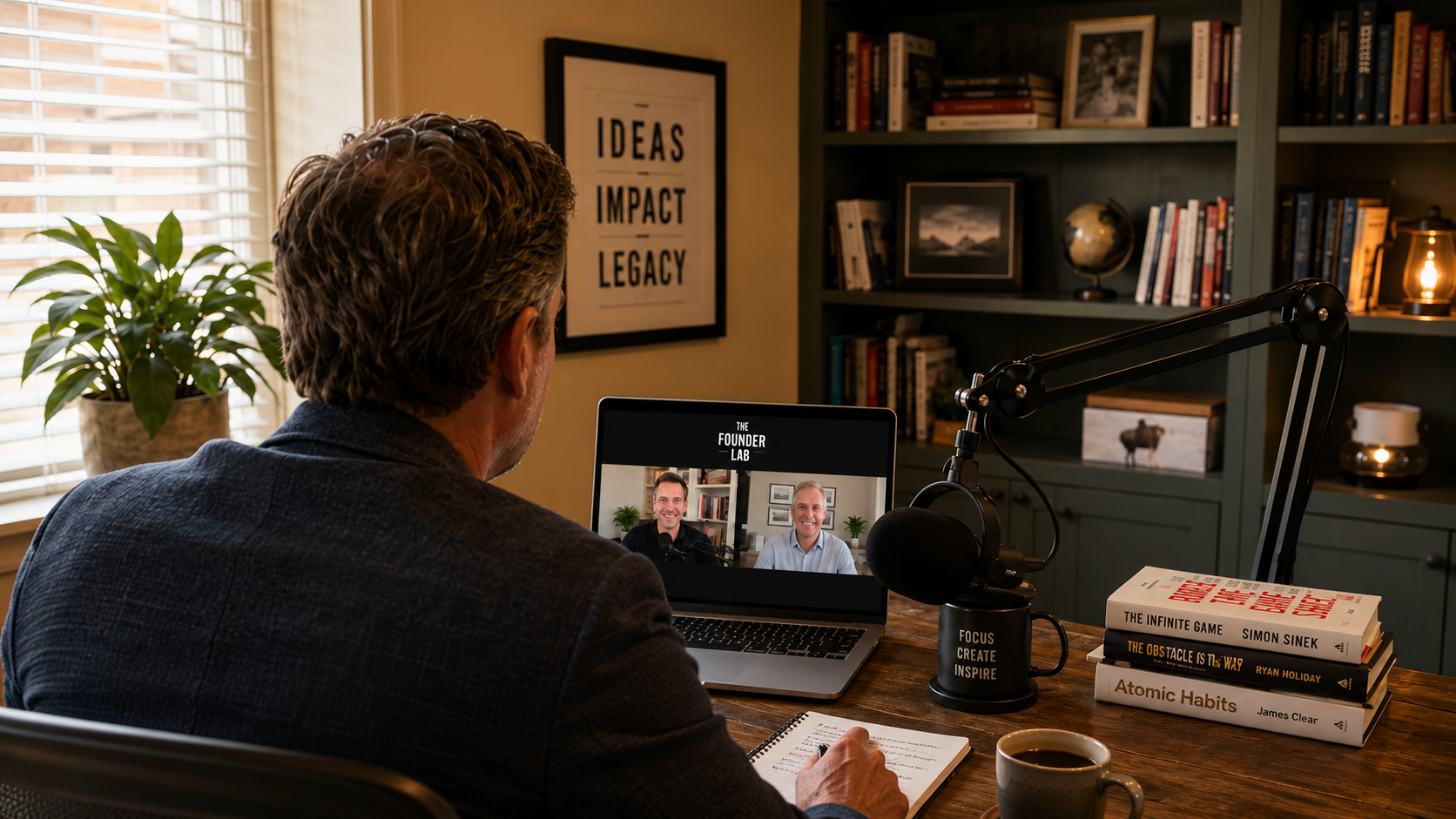
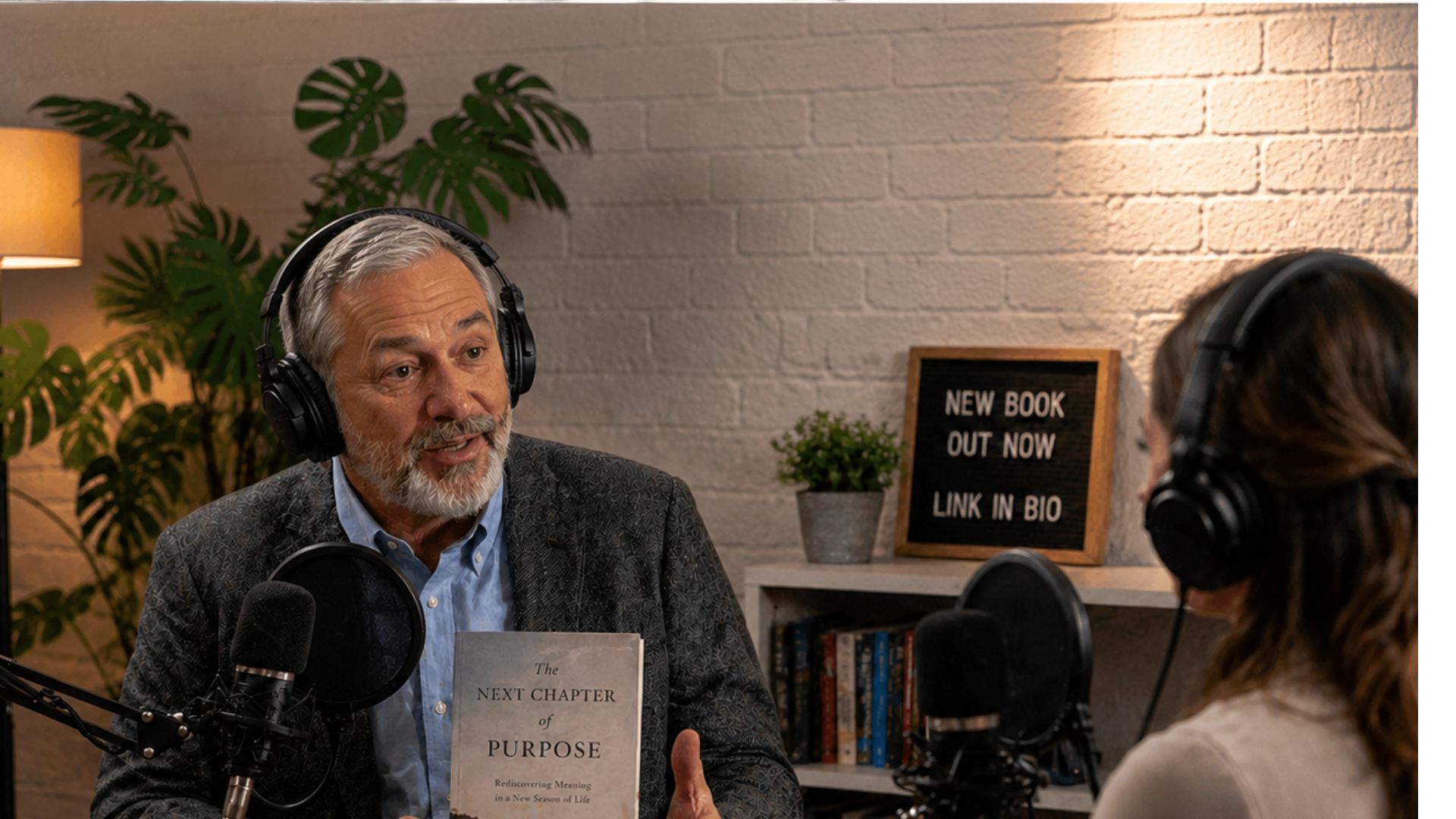
Podcast listeners are exceptionally engaged, trusting host recommendations and following through on them. Targeted guest appearances often drive more book sales than traditional press because the audience is already primed to care.
Authors Mel Robbins and James Clear used consistent podcasting to build bestseller audiences. Focus on finding the right shows rather than just the largest ones. If you want to turn those appearances into direct revenue, the Mic to Money ebook is a no-fluff guide to converting podcast visibility into leads and sales, built specifically for founders and creators.
How to Market a Book in 30 Days: An 8-Step Sprint for Authors
5. Build Your Email List Before You Need It
Social algorithms fluctuate, but email remains stable. Small, engaged lists of 2,000 to 5,000 subscribers often outperform massive, disconnected social followings because relationship quality outweighs size.
Build your list early using a relevant free resource. Nurture subscribers with updates and sneak peeks so they are personally invested by launch day.

6. Create Video Content That Feels Real
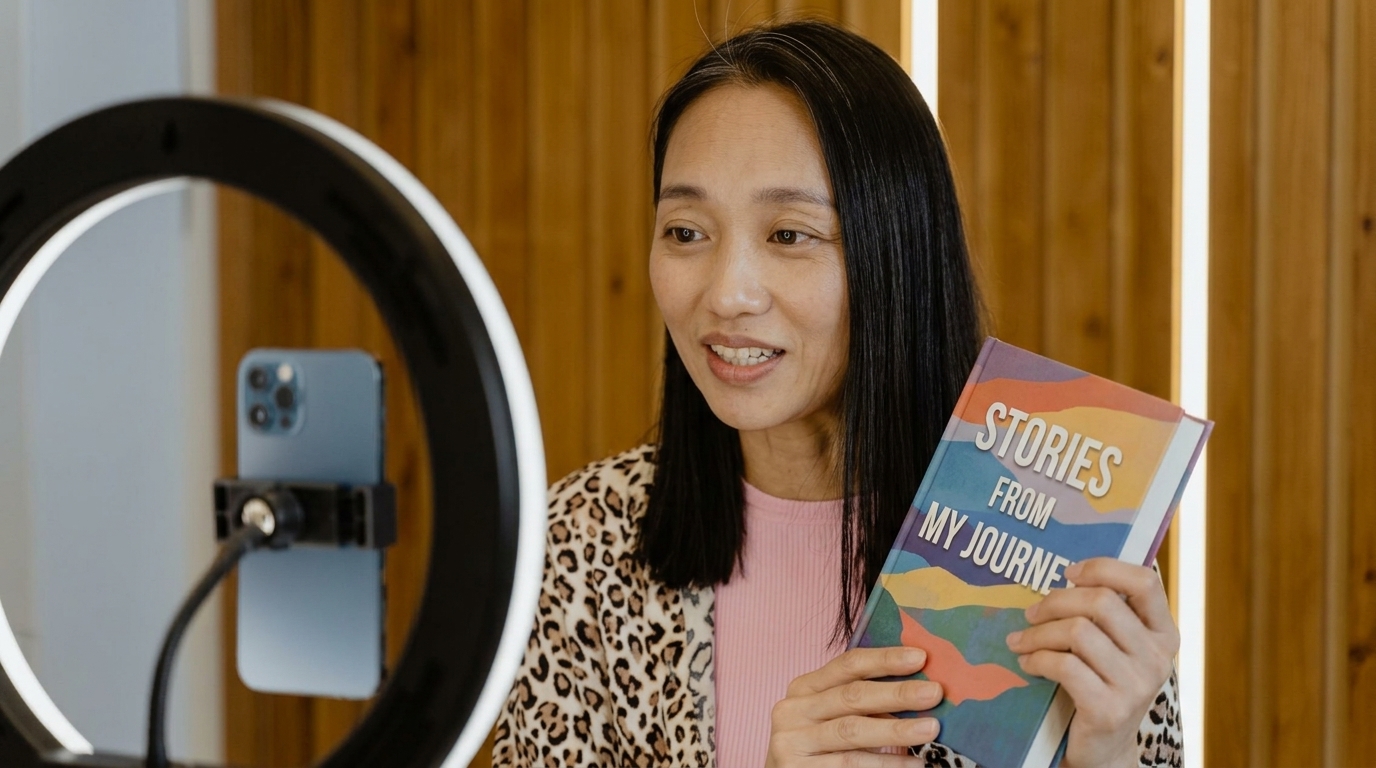
Video builds emotional connection faster than almost any other format. Authors who worked with teams experienced in viral video production in 2026 saw significantly higher engagement than those sticking to static posts and written content alone.
Short reading excerpts, behind-the-scenes writing clips, and candid author interviews all work well. If video will be a major part of the launch, the Viral Video Blueprint is another useful resource for turning author expertise into short-form content that can build attention before and after release.
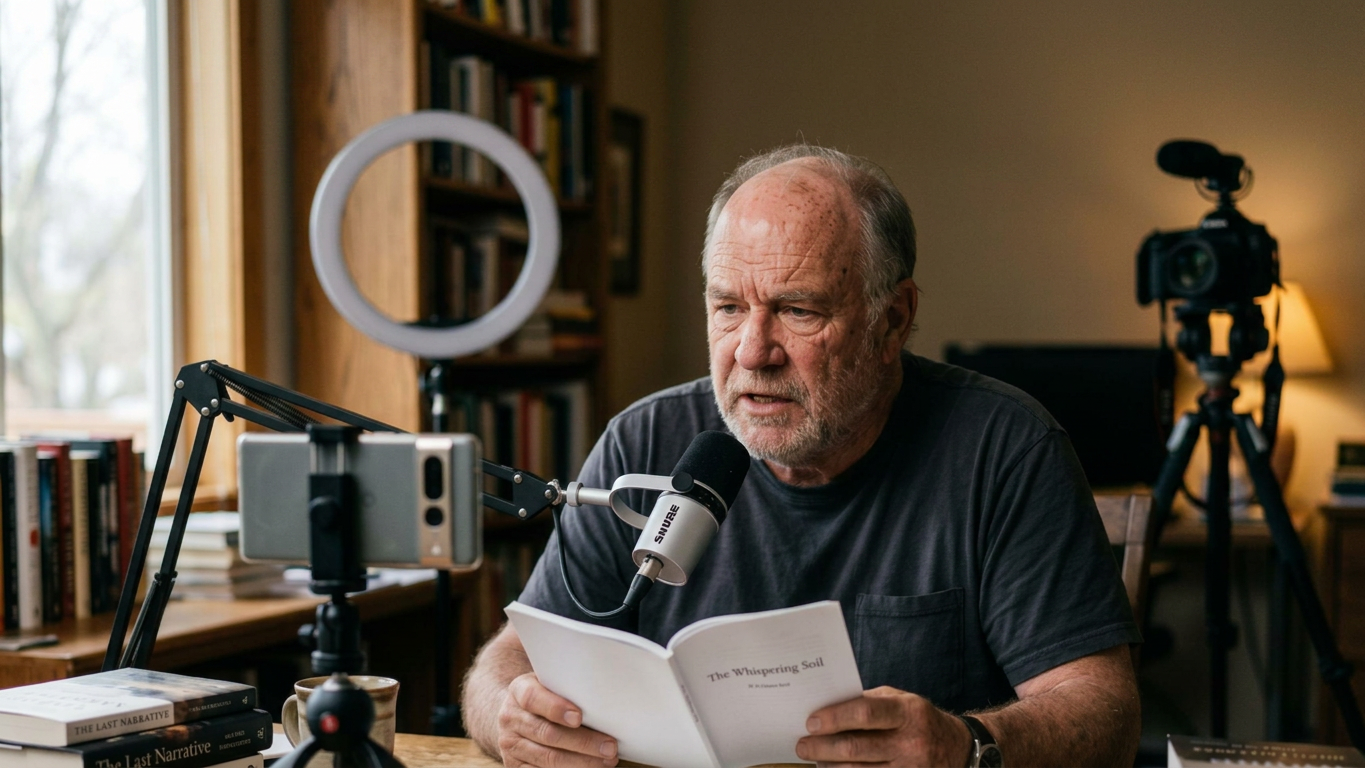
Brandon Sanderson built one of the most dedicated author followings in the world partly through unpolished, casual YouTube videos about his writing process. Readers don't need production quality. They need authenticity and consistency.
If you want expert help mapping out every phase of your campaign, book a strategy call with the FTS Pod team to build a launch plan that covers content, outreach, and audience growth from day one.
If you want expert help mapping out every phase of your campaign, book a strategy call with the FTS Pod team to build a launch plan that covers content, outreach, and audience growth from day one.
7. Study What's Already Worked
Before you build your own plan, look at what's already proven. Reviewing successful launch frameworks gives you a repeatable structure to work from instead of guessing. Study authors in your genre, not just the strategy blogs. Look at what they posted, when they announced their book, how they engaged their community in the months leading up to release.
James Clear's launch for Atomic Habits is one of the most studied examples in the industry. It wasn't built on hype. It was built on years of consistent audience nurturing and a launch strategy designed for long-term momentum, not a first-week spike.
8. Form Partnerships That Expand Your Reach
Partnering through cross-promotions, co-hosted events, and joint newsletters expands your reach to new, relevant audiences. Success depends on audience alignment; ensure their followers care about your subject for meaningful results.
Begin outreach to authors, creators, and related businesses at least two months before launch. Focus on offering genuine value rather than simple swaps. These relationships require time to develop, so starting early is essential.
9. Don't Ignore the Post-Launch Window
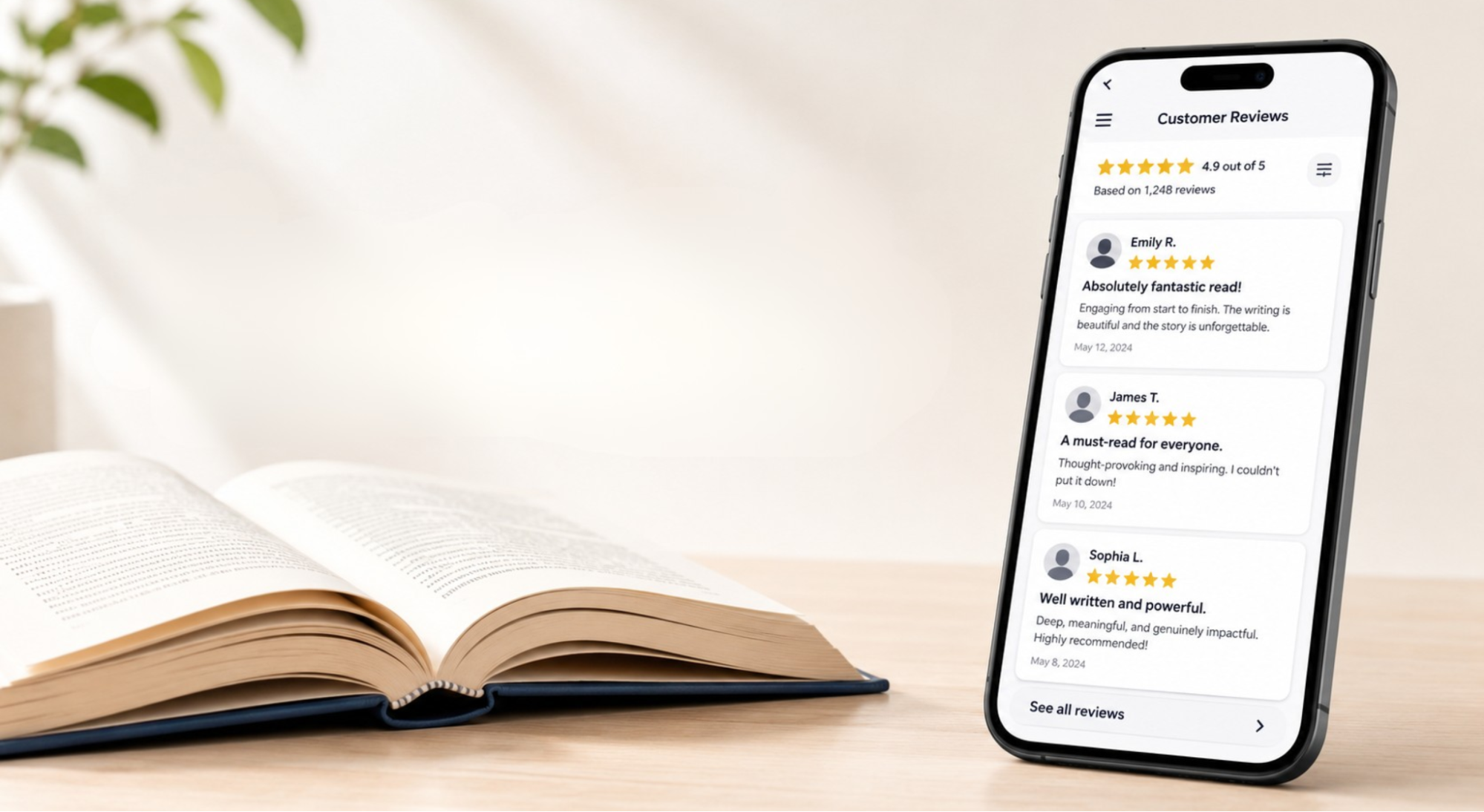
Many authors mistakenly stop promotion after two weeks. In 2026, lasting success required consistent interviews and content creation long after the official launch. Before release, create a 90-day post-launch calendar. Plan follow-up outreach and use milestones, such as review counts or sales targets, as fresh opportunities to maintain momentum.
Why Podcast Tours Outperform Press Releases for New Book Launches
10. Track What's Working and Adjust
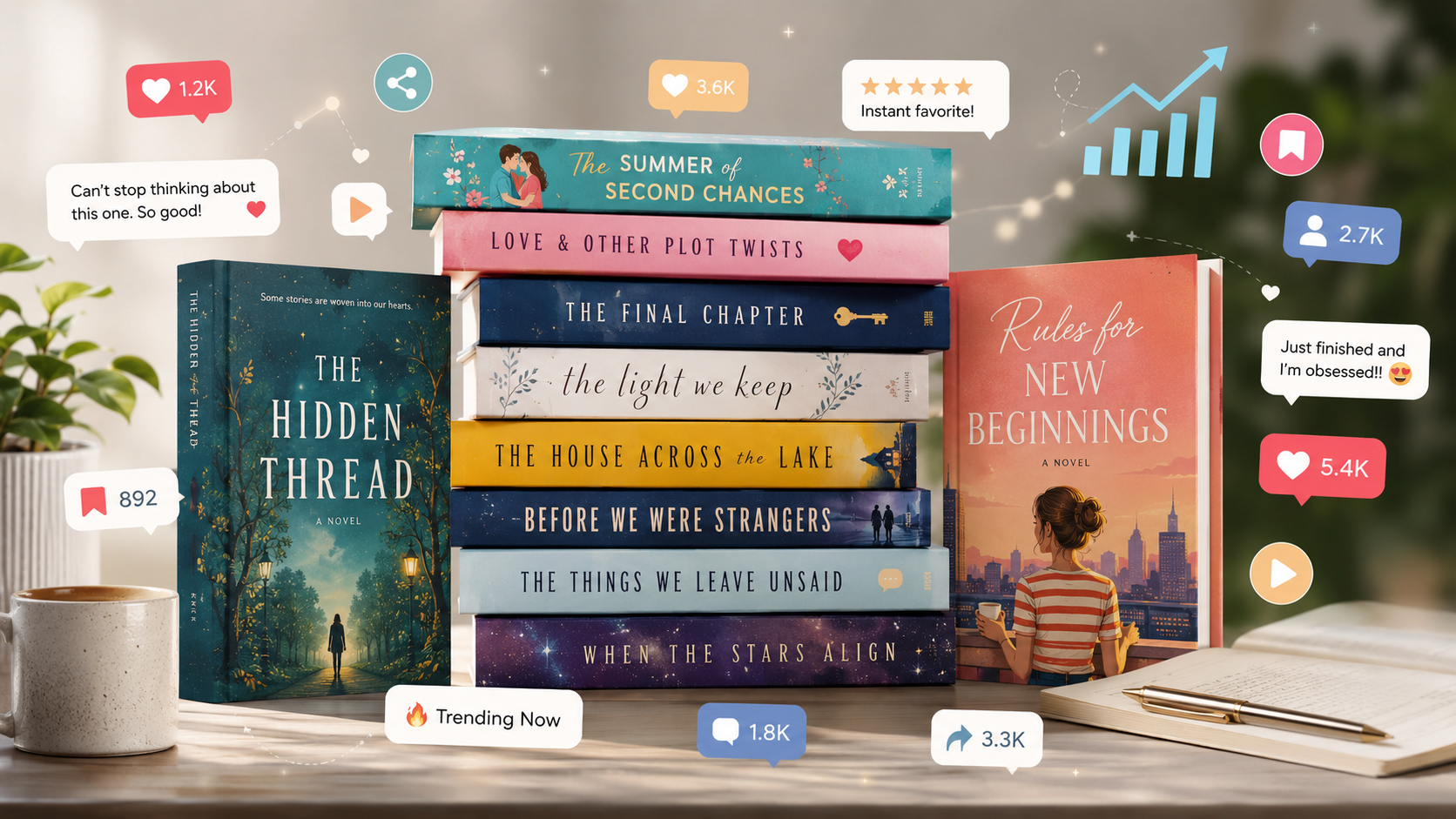
Maintain launch strength by monitoring data. Identify which channels drive sales, engagement, and traffic; ignoring these metrics puts authors at a disadvantage. Simple weekly reviews of email rates, pre-orders, and social metrics suffice for adjusting strategies. Authors who adapt in real time consistently outperform those with rigid plans.
Launching a book well takes coordination, content, and consistency. Start with FTS Pod’s free ebook Creating Authentic Content in the Age of AI to strengthen your message, then connect with FTS Pod's growth studio for end-to-end support with launch strategy, content, outreach, and audience growth.
The Bottom Line
Authors who want more support can also explore FTS Pod’s free ebook library, which includes guides on authentic content, podcast monetization, AI visibility, and growth strategy.
A strong book launch is never a single event. It's a coordinated campaign built over months, sustained by community, and driven by real strategy at every stage. The authors who broke through in 2026 weren't the luckiest. They were the most intentional.
Start with what you have. Show up consistently. Build the audience before you need them. These ten strategies aren't reserved for famous names. They're available to any author willing to do the work before launch day arrives.





























.jpg)

.jpg)
.jpg)
.jpg)
.jpg)
.jpg)













.webp)
.webp)

.webp)






.webp)


.jpg)
.webp)