

Most authors think they are doing "multichannel marketing" the moment they post on Instagram, send a newsletter, and run an Amazon ad in the same week. Technically, they are right. But posting the same launch graphic in three places is not the same as building a system where every channel talks to the same reader at the same moment in their decision to buy. That second thing has a name: omnichannel marketing, and the gap between the two approaches is often the gap between a launch week that fades by Friday and one that keeps selling for months.
Understanding this distinction changes how you build your email list, sequence your content, and spend the limited hours you have between finishing chapters and going live. For the full menu of tactics, our book marketing ideas guide covers author platforms and launch sequencing in one place.

Multichannel Marketing: Many Doors, No Hallway
Multichannel marketing means showing up on more than one platform: email, Instagram, TikTok, Amazon ads, maybe a podcast tour. According to the American Marketing Association, multichannel marketing uses several distinct platforms but treats each one separately, which leads to a fragmented and inconsistent customer experience.
For an author, this looks like an Instagram caption that says one thing, an email that says another, and an Amazon description written six months ago and untouched since. None of that is wrong on its own, and running channels separately can still work for differentiated messaging aimed at specific audience groups. The problem shows up when a reader crosses channels: they see your book on TikTok, check your email list, and the story does not match. These are usually small, avoidable habits rather than a lack of effort, which is exactly what we break down in 7 social media mistakes that kill author careers.
Omnichannel Marketing: One Reader, One Continuous Story
Omnichannel marketing, defined by the same American Marketing Association source, is the integration of different marketing channels into one seamless interaction, built around a unified experience rather than separate touchpoints. The reader does not experience your book launch as five disconnected campaigns. They experience one continuous relationship with you, whether they found you through a podcast interview, a TikTok clip, or a friend's text with a link to your website.
Wharton Executive Education draws the line simply: omnichannel marketing focuses on the customer's actual journey across platforms, while multichannel marketing focuses on building out separate channels for their own sake. For an author, that customer-first lens means a consistent hook and a reader journey that moves logically from discovery to email list to preorder to purchase.
Brandon Sanderson is the clearest large-scale example in publishing. His record-breaking Kickstarter campaigns did not exist in isolation. YouTube updates, newsletter drops, and Reddit AMAs all reinforced the same narrative in real time, which is a large part of why backers kept re-upping their pledges instead of dropping off early.
Colleen Hoover's rise shows the same principle at a different scale. Reader-driven TikTok content, her own social presence, and backlist availability on every retailer worked together so a single viral video could send a reader straight into a purchase.

Why This Distinction Matters More at Launch Than Any Other Time
Launch week is when the cost of disconnected channels is highest, because a reader's window of intent is short. A Harvard Business Review study that tracked 46,000 shoppers found that customers using multiple connected channels spent 4 percent more per visit in-store and 10 percent more online than single-channel customers, and that spending rose with each additional channel used. That data comes from retail, but the logic transfers directly to books: a reader who has to reconnect the dots between your Instagram, your email, and your Amazon page is a reader who often does not finish the job.
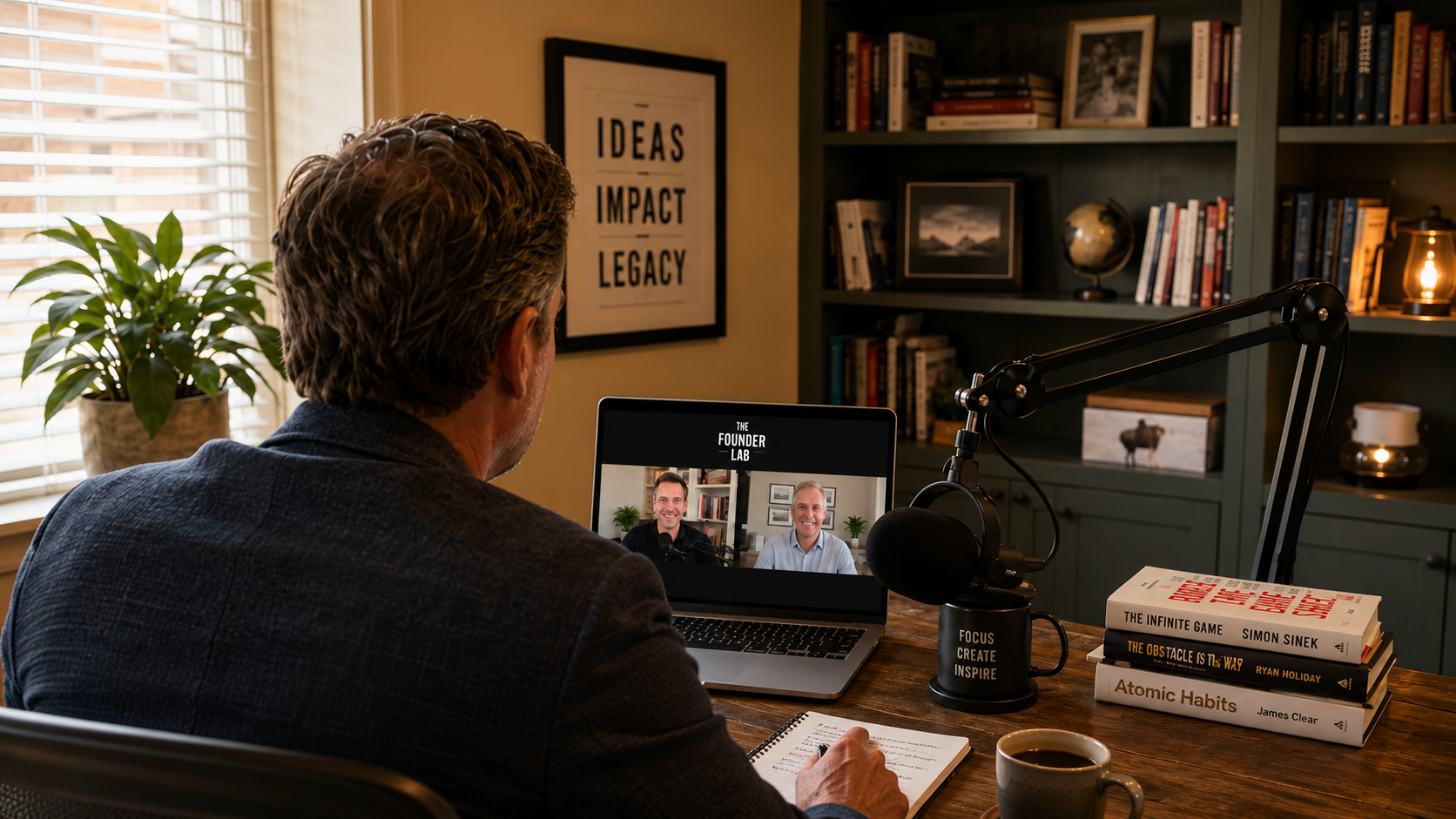
Email remains the backbone of a well-run omnichannel launch, since it is the one channel an author fully owns rather than rents from a platform's algorithm. James Clear built his launch strategy for "Atomic Habits" around this, using his weekly newsletter as the connective tissue between his blog content, his podcast appearances, and the eventual book pitch, so the audience had already been primed by a consistent voice for years before the book existed.
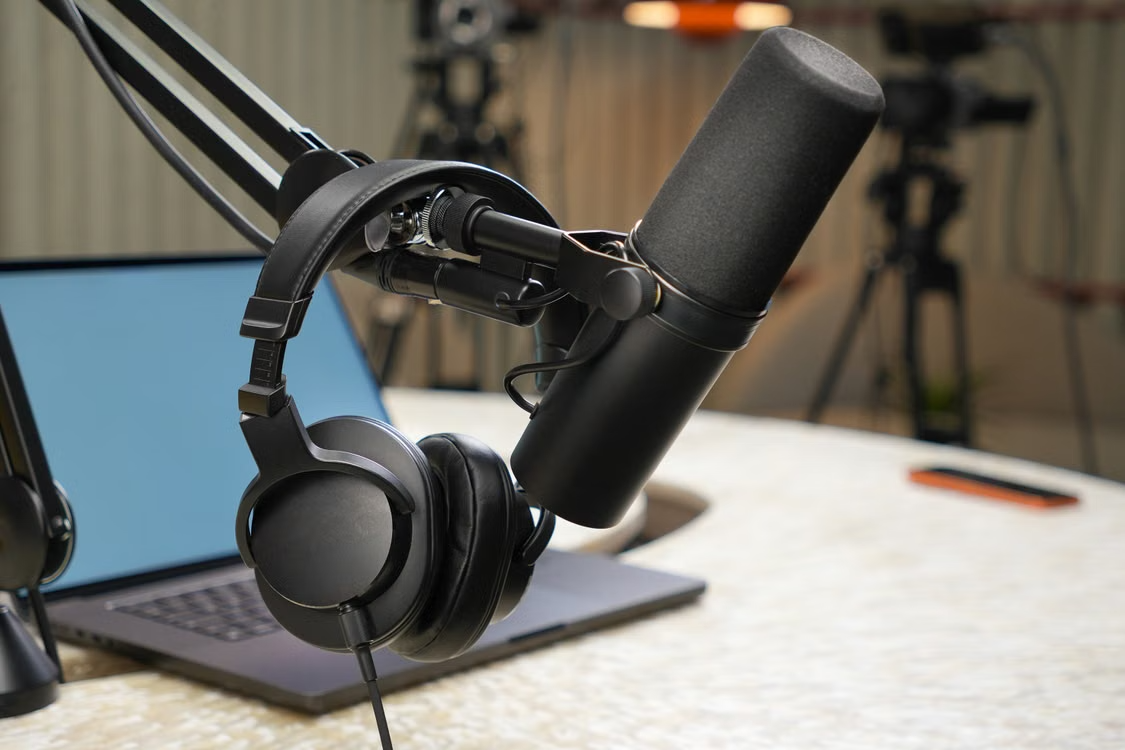
Mel Robbins runs a similar playbook today. Her podcast content, social clips, and book promotion are not separate lanes: a podcast episode references the book, the book references a framework she teaches on social, and the social content drives people back to the podcast. If you are still deciding which specific platforms deserve your time, our breakdown of podcasting vs. Bookstagram vs. Goodreads looks at which one actually sells books, so you can connect the right two or three rather than spreading thin.
Building Your Own Version Without a Publisher's Budget
You do not need ten channels to run an omnichannel strategy. What the research consistently points to is that the connectivity between platforms defines the experience, not the raw number of platforms used. Two or three connected channels will outperform six disconnected ones every time.
Start with the channel you own outright: your email list. Every other platform should exist to feed that list, and every message it receives should echo the same story readers see on social or hear in your podcast appearances. If podcast interviews are part of your discovery strategy, our Mic to Money ebook breaks down how to turn a single guest appearance into a repeatable pipeline of readers.
The bigger shift is in how you repurpose content across every channel so the voice stays consistent, the difference between a launch that feels like five campaigns and one that feels like a single author everywhere at once. We cover exactly how to do that in Creating Authentic Content in the Age of AI.
FAQ
Is omnichannel marketing only for authors with big budgets? No. A smaller, engaged email list will outperform a much larger cold social following on launch day, since email is the one channel an author actually owns.
Should I drop multichannel marketing entirely? No. Channel-specific messaging still has a place. The goal is connecting those channels around one consistent story, not eliminating them.
What is the single highest-leverage channel for a book launch? Email, by a wide margin. It is also the only channel an author fully controls, independent of algorithm changes.
When should I start building this system? Months before the book is finished, not launch week. The authors who see the biggest results built the audience and cross-channel habits years before they needed them.
Ready to build a content system that keeps every channel telling the same story? Start with your email list, echo it everywhere else, and let the resources above do the heavy lifting for whichever channel you tackle next.

























.jpg)

.jpg)
.jpg)
.jpg)
.jpg)
.jpg)












.webp)
.webp)

.webp)




.webp)


.jpg)
.webp)