Authors often treat social media as another writing assignment. A book chapter gets finished, then a blank Instagram caption demands another hour of work. The better approach is to connect social media management with content creation, so one useful idea can become several posts without losing the author's voice. Social media and content creation for authors works best when the writing, publishing, and reader conversations share one simple system.
Key Takeaways
- Start with the reader's interests and one clear message for each week.
- Create source material once, then adapt it for different platforms.
- Batch production separately from scheduling and community replies.
- Use a repeatable calendar that leaves room for timely conversations.
- Measure meaningful reader actions instead of chasing post counts.
Separate Content Creation From Social Media Management
Content creation is the work of developing ideas, writing captions, filming clips, editing assets, and choosing what readers will find useful. Social media management handles the publishing schedule, platform details, comments, messages, and performance review. Combining them doesn't mean doing both jobs at once. It means making decisions together, then batching similar tasks.
For example, a mystery novelist might draft a short post about how they researched a setting. That becomes a photo caption, a 20-second narrated clip, and a question for readers about their favorite fictional locations. The message stays consistent, but each format has its own purpose. A good author social media strategy starts with those repeatable topics rather than a daily hunt for trends.
Build a Weekly Source-Content Bank
Choose three or four recurring themes connected to your book, such as setting research for fiction writers or case examples for nonfiction authors. Saving raw ideas in a central document allows a single 45-minute weekly session to generate enough source material for a modest calendar without having to write posts from scratch.
Related: How to Create a 30-Day Social Media Plan to Promote Your Book
Turn One Idea Into Several Useful Posts
A single idea should change shape, not merely get copied between platforms. A paragraph about a difficult character decision can become a carousel explaining the choice, a short video where the author speaks directly to camera, and an email with the fuller backstory. This is content repurposing when each version adds something for its audience.
Buffer's content repurposing strategy offers a useful starting point for identifying reusable material. Keep a simple production sheet with the original idea, platform, angle, asset, caption, approval status, and publication date. An editor or assistant can then work from approved material instead of guessing how an author wants to sound.

Use a Calendar That Protects Writing Time
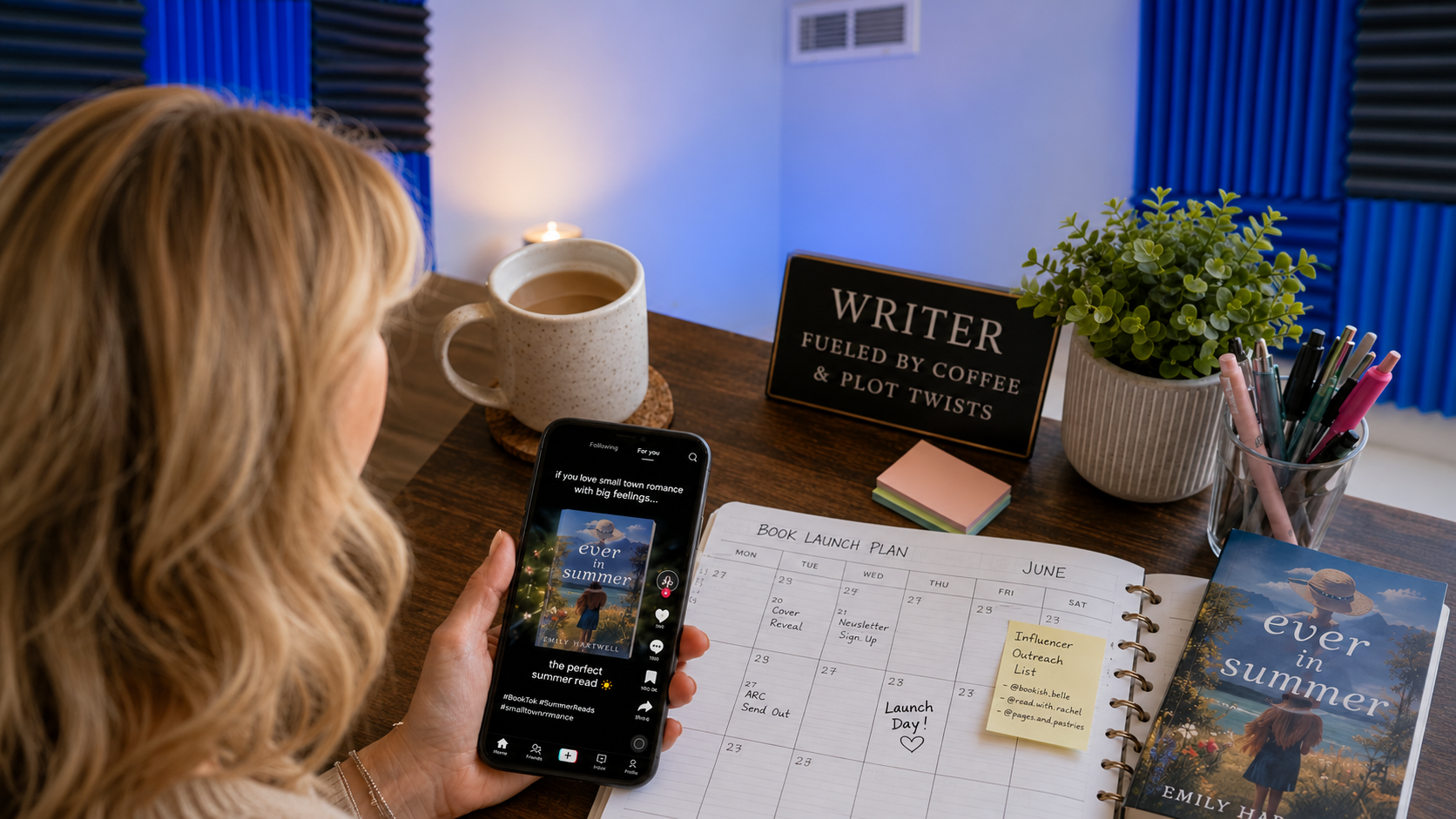
A social media posting schedule should reflect what the author can sustain. Three strong posts a week may be better than seven rushed ones if the extra time protects the manuscript. Plan content two weeks ahead, batch captions on one day, and schedule publishing on another. Reserve a short daily window for replies because conversations shouldn't wait until the next batch.
Mailchimp's content calendar planning guidance can help organize channels and deadlines, but a spreadsheet works fine too. Columns for topic, format, publishing date, link, status, and results are usually sufficient. Review upcoming promotions monthly so a release date, preorder period, or event doesn't collide with unrelated content.
Social Media and Content Creation for Authors: A Repeatable Workflow
For a solo author, a simple workflow is to gather ideas Monday, draft captions Tuesday, edit and schedule Wednesday, then review comments Friday. Keep the process flexible around actual writing deadlines. Social media and content creation for authors should support the book rather than consume its best working hours.
For social media and content creation for authors working with a manager, divide responsibilities clearly. The author supplies expertise, stories, and final approval on sensitive claims. A contractor can turn those materials into platform-ready drafts, organize assets, schedule approved posts, and flag questions that need the author's response. Agree on turnaround times and what the manager must never publish without approval.
Authors experimenting with AI-assisted drafting can use FTS Pod's Creating Authentic Content in the Age of AI as a guide to preserving their own perspective while building a manageable content workflow.
Match Platforms to Reader Behavior
Rather than publish everywhere, choose one primary channel and one supporting channel. A novelist whose readers enjoy visual recommendations might try Instagram, while a business author may get better conversations on LinkedIn. Reedsy's guide to social media for writers is a useful reminder to match the platform with the genre, audience, and kind of interaction the author enjoys.
Use native features deliberately. A short clip can introduce an idea, a carousel can explain its steps, and a newsletter can hold the fuller argument. The book remains the source of the author's expertise. Social channels provide several entry points, not several unrelated personalities.
Related: The 90-Day Pre-Launch Social Media Plan That Builds Bestseller Momentum
Measure Output Without Mistaking Activity for Progress
Track a few numbers that help make decisions: posts published, time spent producing them, saves or substantive comments, profile visits, and email signups or book-page clicks. If a post produces thoughtful reader questions, save those questions for future material. A format that takes three hours and creates little response may deserve less attention than a quick, useful video.
Compare results over four weeks rather than after each upload. Look for patterns across topics and formats, then adjust the next batch. An author's online presence grows through useful, recognizable ideas and steady interactions, not sheer volume.
Make Short Video Sustainable
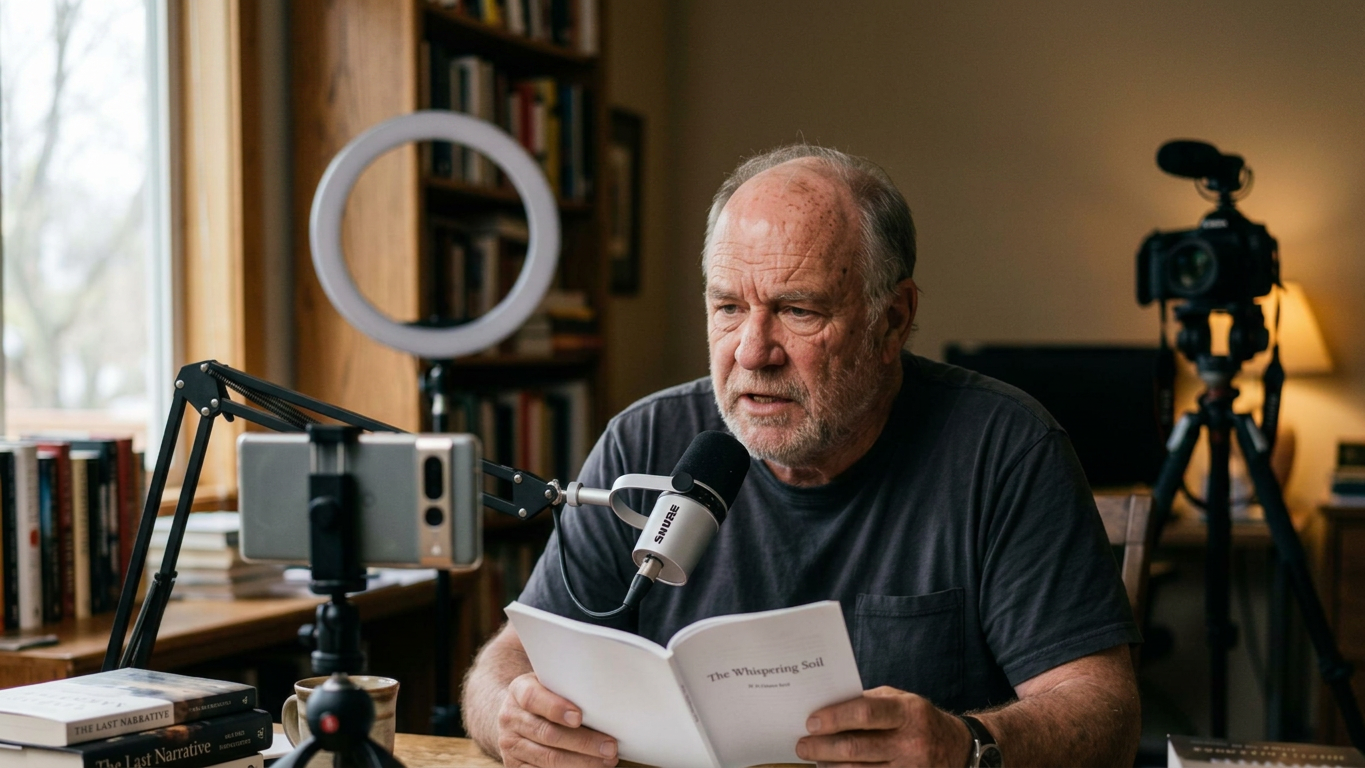
Short video is easiest when it comes from existing material. Record an answer to a question readers already ask, show the research notes behind a chapter, or explain one practical idea from a nonfiction book. Add readable captions and a clear opening sentence. Avoid manufacturing drama that the actual content doesn't deliver.
Authors building a repeatable video process can use FTS Pod's Viral Video Blueprint to organize hooks, recording, and editing around ideas they already know are useful to readers.
Keep the System Small Enough to Repeat
The best combined workflow is one an author can repeat during a busy writing month. Choose reliable topics, produce source material in batches, adapt it thoughtfully, schedule ahead, and protect time for real conversations. Social media and content creation for authors becomes manageable when every post has a job and the book itself remains the priority.