
You don't need a million views to sell books on YouTube. You need the right viewers, a clear reason for them to trust you, and an easy path from your videos to your book. YouTube for authors works best when each video answers a question or meets a reader's specific interest, instead of chasing a trend that attracts people who will never buy.
Key Takeaways
- Choose a channel promise that matches the readers most likely to buy your book.
- Use searchable videos and recurring series rather than relying on viral hits.
- Connect every useful video to one relevant next step toward your book.
- Measure reader intent and click-throughs alongside views and subscriber growth.
- Publish on a schedule you can maintain through writing and launch seasons.
Start With a Reader, Not a Subscriber Target
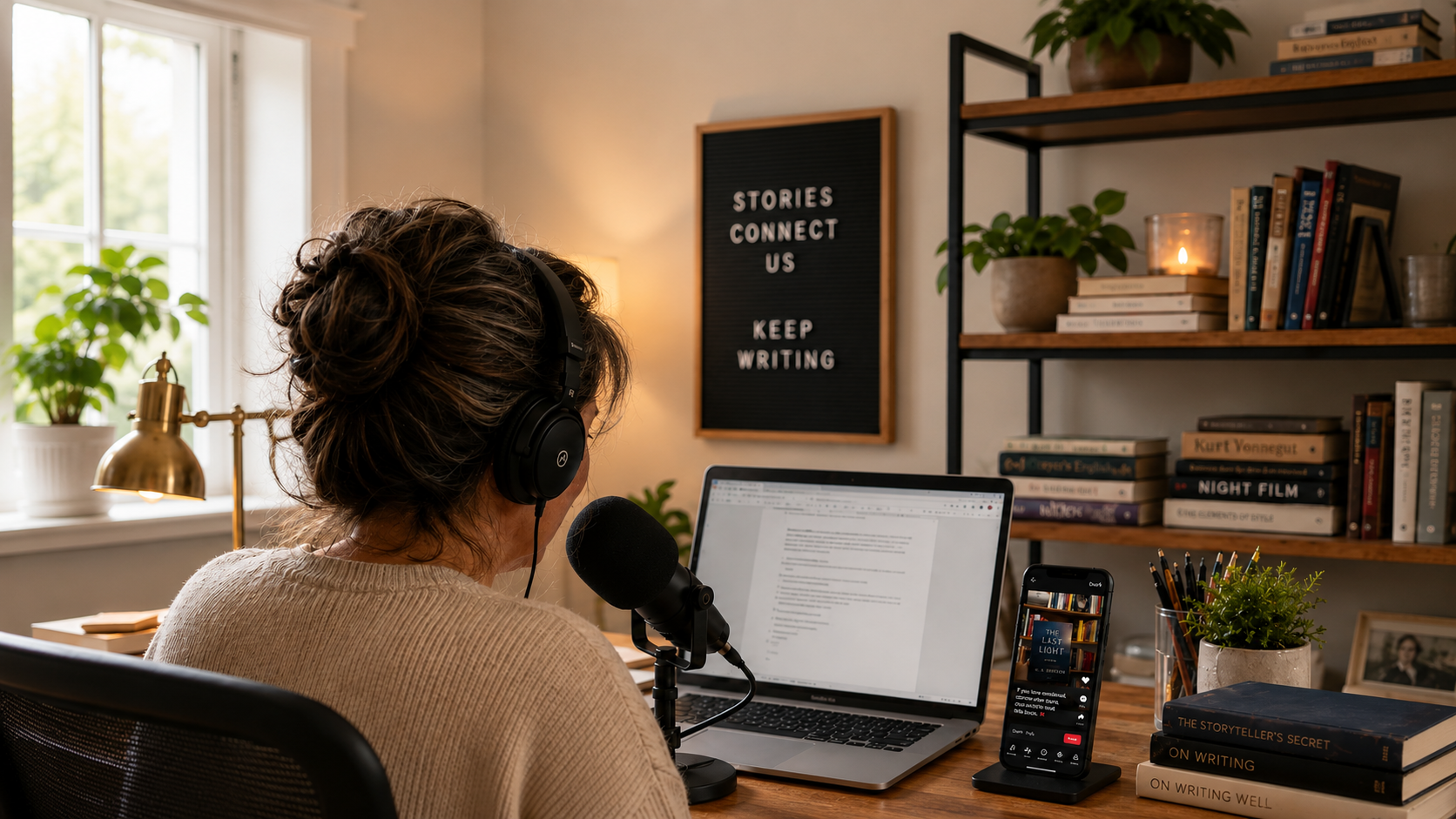
Before you buy a camera, write down who your book serves and what that person would type into YouTube. A nonfiction author who teaches budgeting might answer "How do I start saving with irregular income?" A mystery novelist could discuss clues, settings, or the real-life research behind a story. Both channels give potential readers a reason to stay.
Your channel promise should fit in one sentence: "I make videos for [specific reader] who wants [specific result or experience]." This focus keeps your topics relevant to prospective buyers. Treat your channel as one part of your book marketing strategies, not a separate career you must build from scratch.
Set Up a Channel That Makes Your Book Easy to Find
Use your author name or a recognizable pen name, a clear profile photo, and a banner explaining what viewers can expect. Your About section should mention your genres or subject areas and point to your author website. Put a direct book or landing-page link wherever YouTube's current channel-link features permit.
Create playlists for your main themes so new visitors can understand your work quickly. A useful YouTube marketing strategy starts with a simple channel layout and strong titles, not expensive branding. Spend your time on videos, not endless banner revisions.
Related: How to Make a YouTube Channel
Plan YouTube for Authors Videos Around Reader Questions
Build a list of 20 questions from reviews of comparable books, comments in relevant communities, reader emails, and YouTube search suggestions. Group them and choose four for this month. YouTube for authors becomes much easier when you work from real questions rather than inventing topics each week.
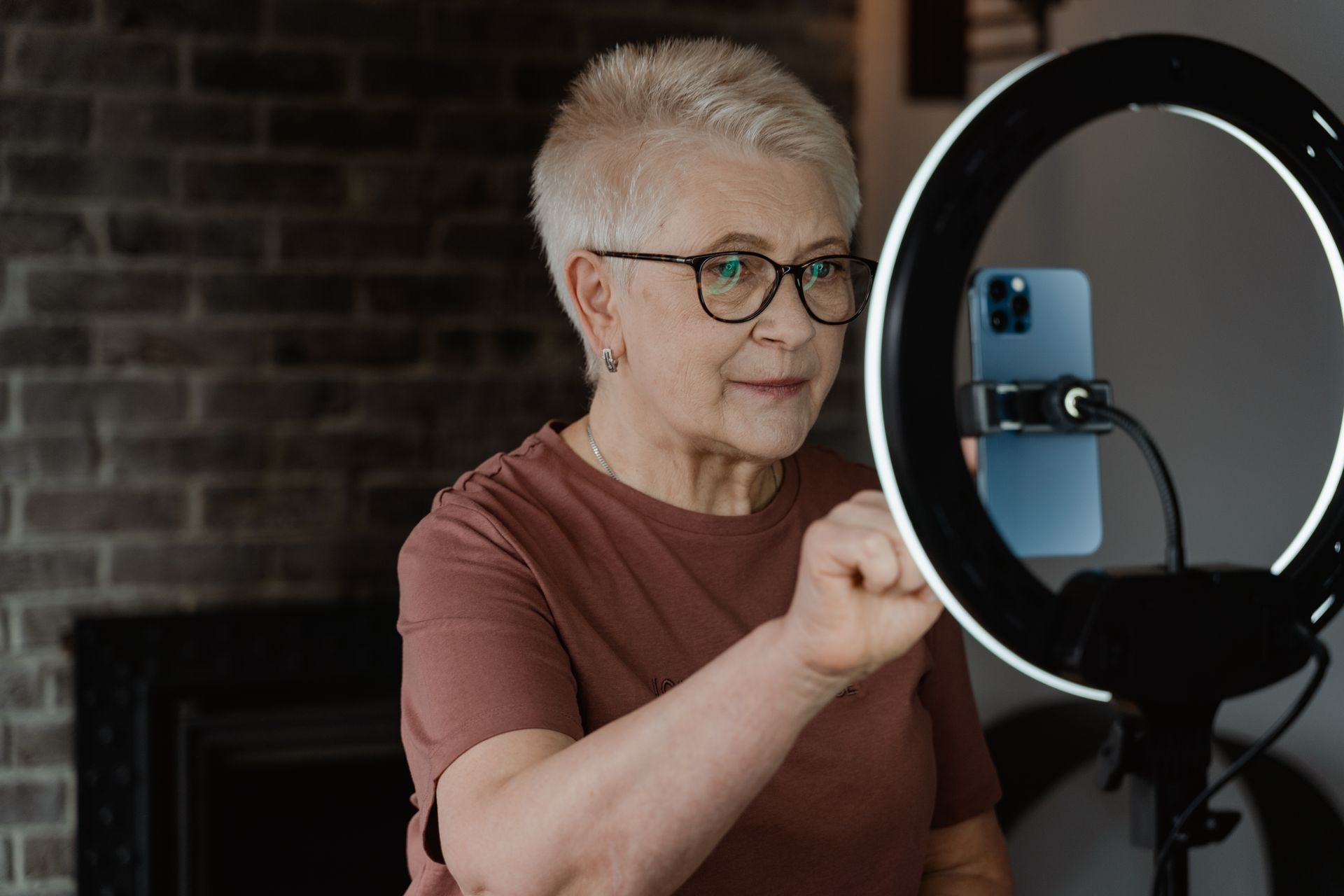
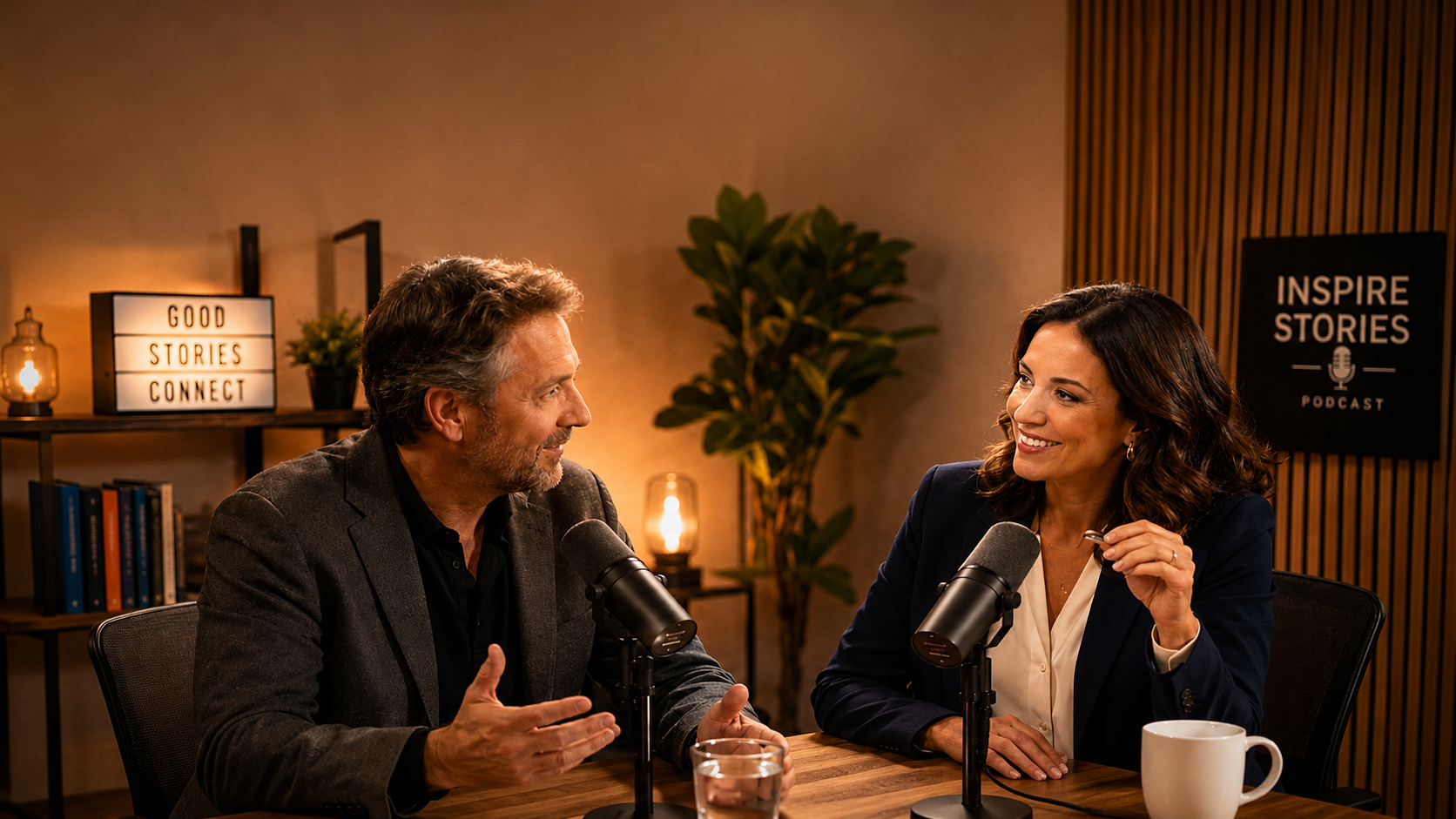
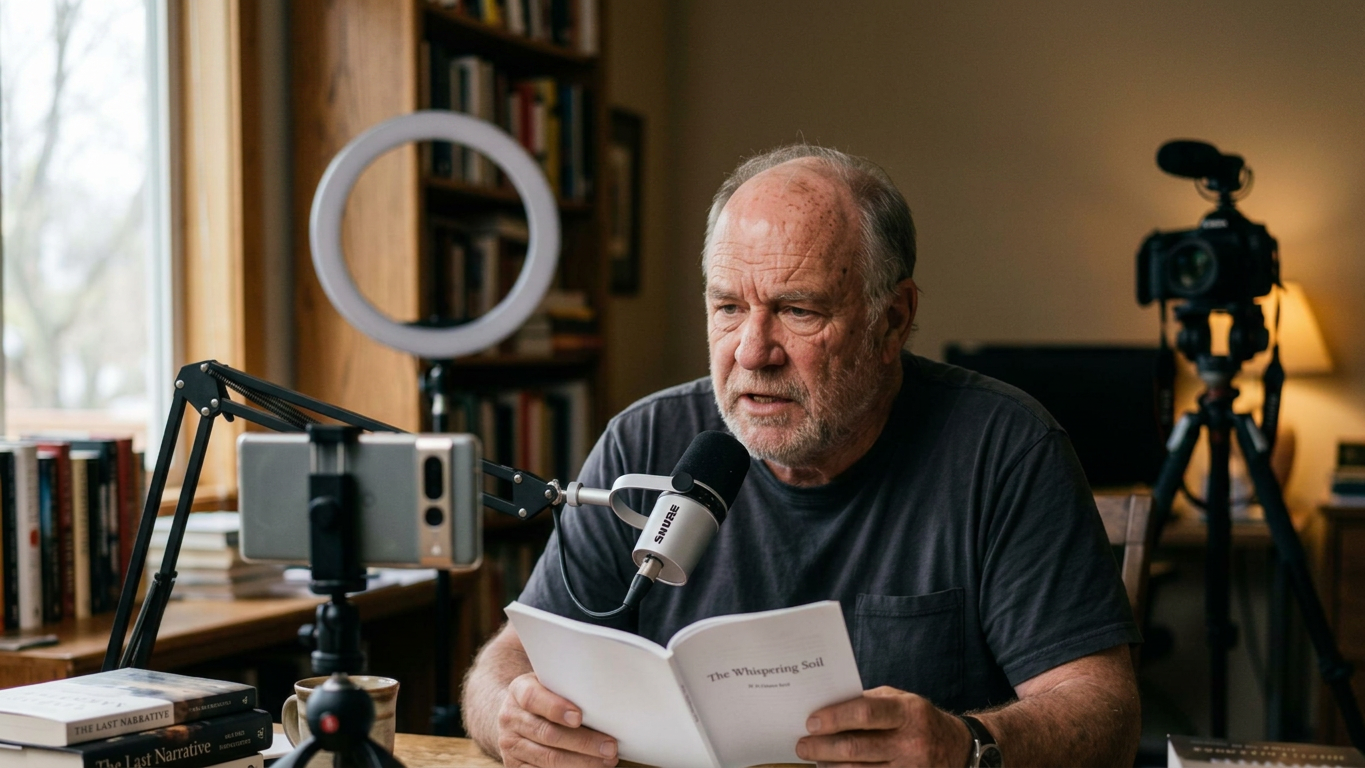
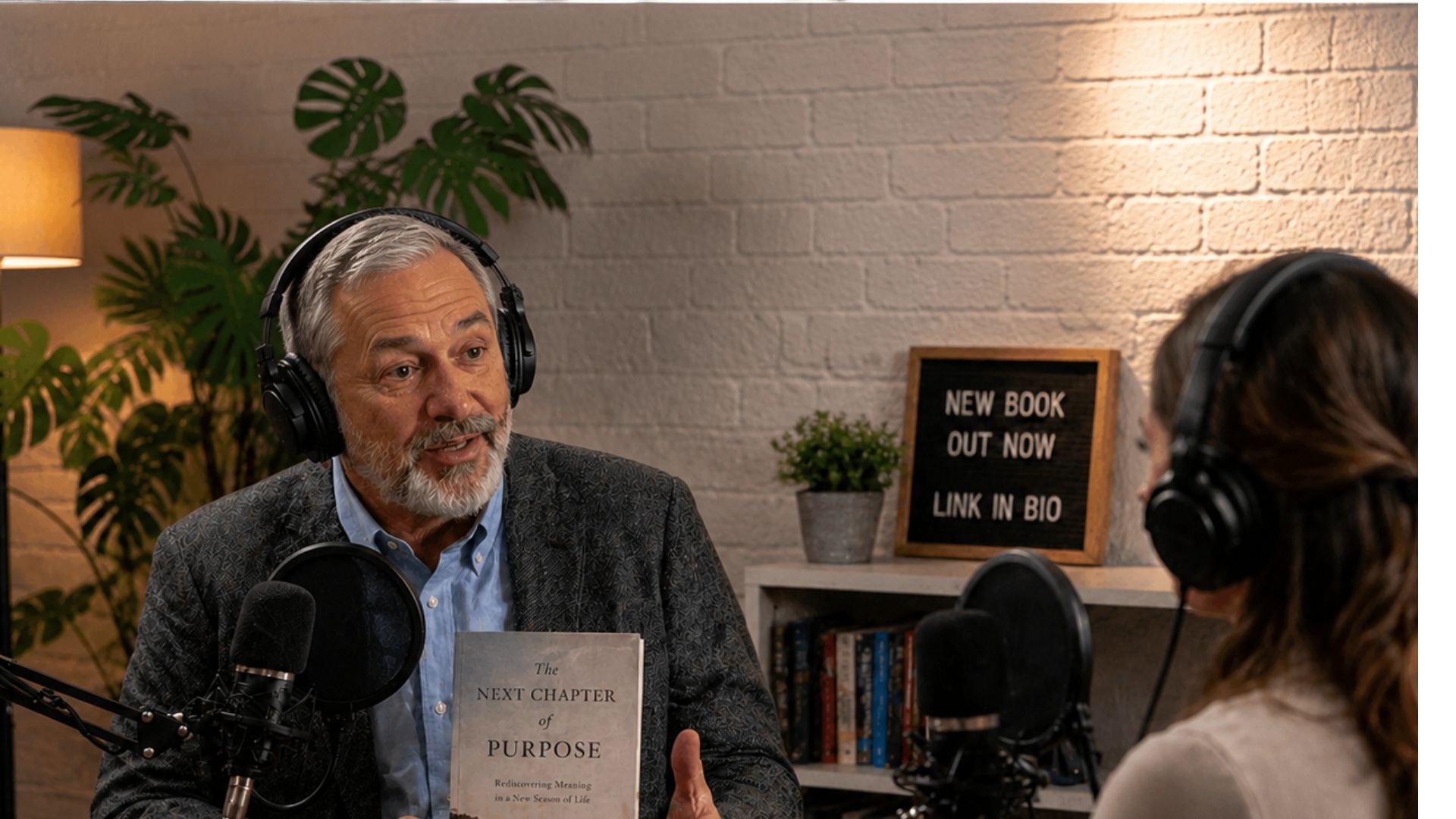
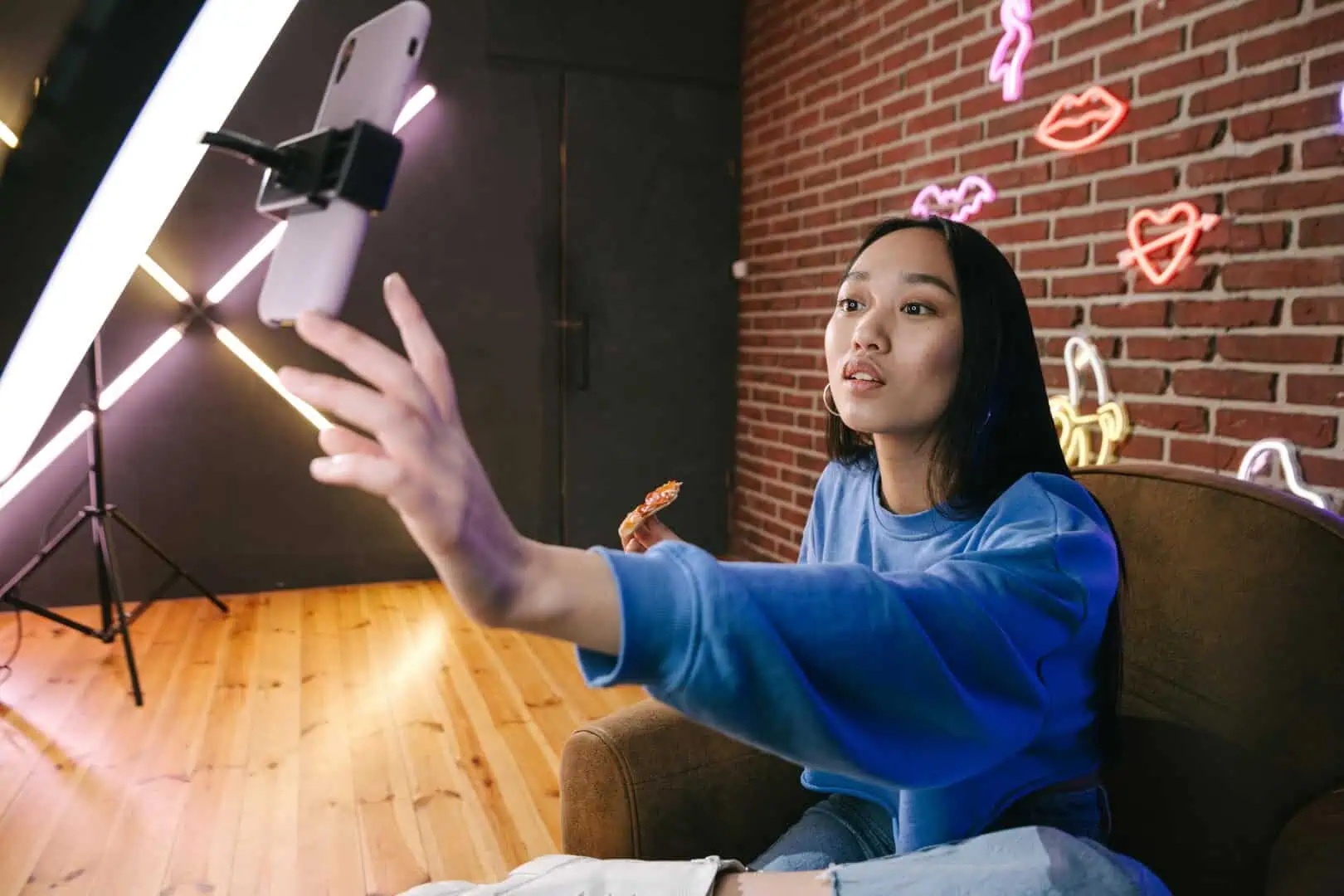
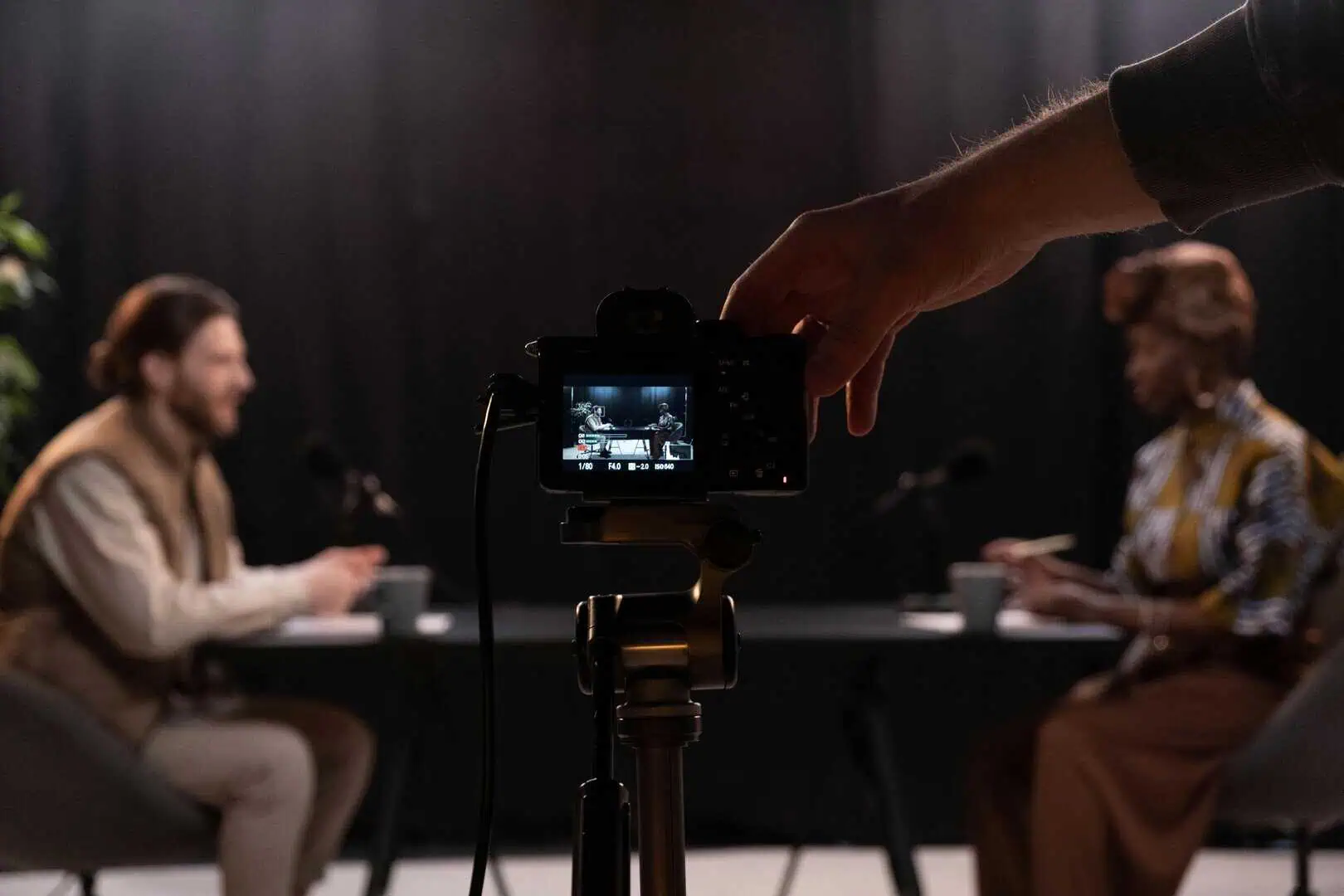
For nonfiction, a short tutorial can explain a problem covered in your book. For fiction, try an excerpt, setting tour, or character discussion. Effective author video content gives viewers something enjoyable or useful even if they never purchase.

Make Searchable Videos, Not Generic Trailers
A book trailer is useful on launch day, but it rarely answers the search queries that bring new viewers to a channel. Compare "My New Novel Is Here" with "How I Researched a 1920s Detective Novel." The second offers a clearer reason to watch for someone who hasn't heard of you.
Lead the title with the topic and use a legible thumbnail. Open with the promised answer or compelling scene rather than a long personal introduction. YouTube book promotion works when viewers understand the value before they hear a sales pitch.
Build a Simple Path From Video to Book
A viewer needs a logical next step. Mention your book when it genuinely extends the lesson or story, then direct viewers to one relevant link in the description. You might send them to a sample chapter, an email signup offering a bonus scene, or the book's retailer page. Don't ask for five unrelated actions at the end of every video.
For an email signup, make the offer specific: a downloadable worksheet for a business book or a deleted scene for a novel. A welcome email can introduce the book and its purchase link. This approach complements organic book marketing because it gives interested viewers a way to return after the video ends.
If you're deciding how to sound natural on camera, FTS Pod's free guide to Creating Authentic Content in the Age of AI offers a practical starting point for maintaining a recognizable voice across your content.
Use Shorts to Introduce, Long Videos to Build Trust
Shorts can highlight a surprising research fact, a writing mistake you fixed, or one useful takeaway from a longer video. Use them to test ideas and direct interested people to a fuller explanation when a connected long-form video exists. Even a modest Short can reach a prospective reader.
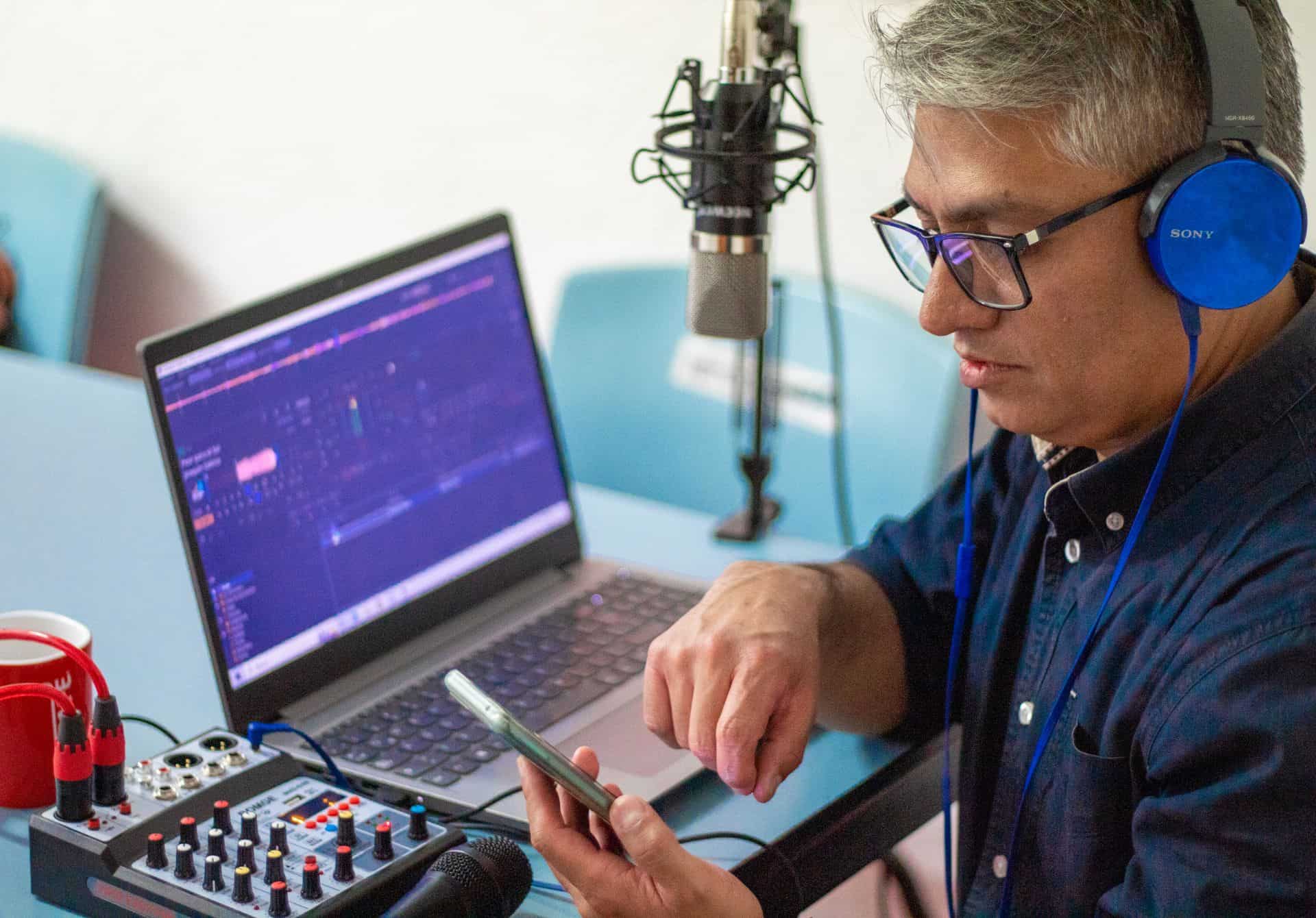
For your first month, consider two longer videos and four Shorts drawn from those recordings. Batch the scripting and filming so the channel doesn't displace the writing time that produces your books. If you need a repeatable approach to short videos, the Viral Video Blueprint can help you plan stronger openings and clearer viewer actions without making virality your business model.
Related: 8 Short-Form Video Scripts That Turn Viewers Into Book Buyers

Measure Whether Viewers Are Becoming Readers
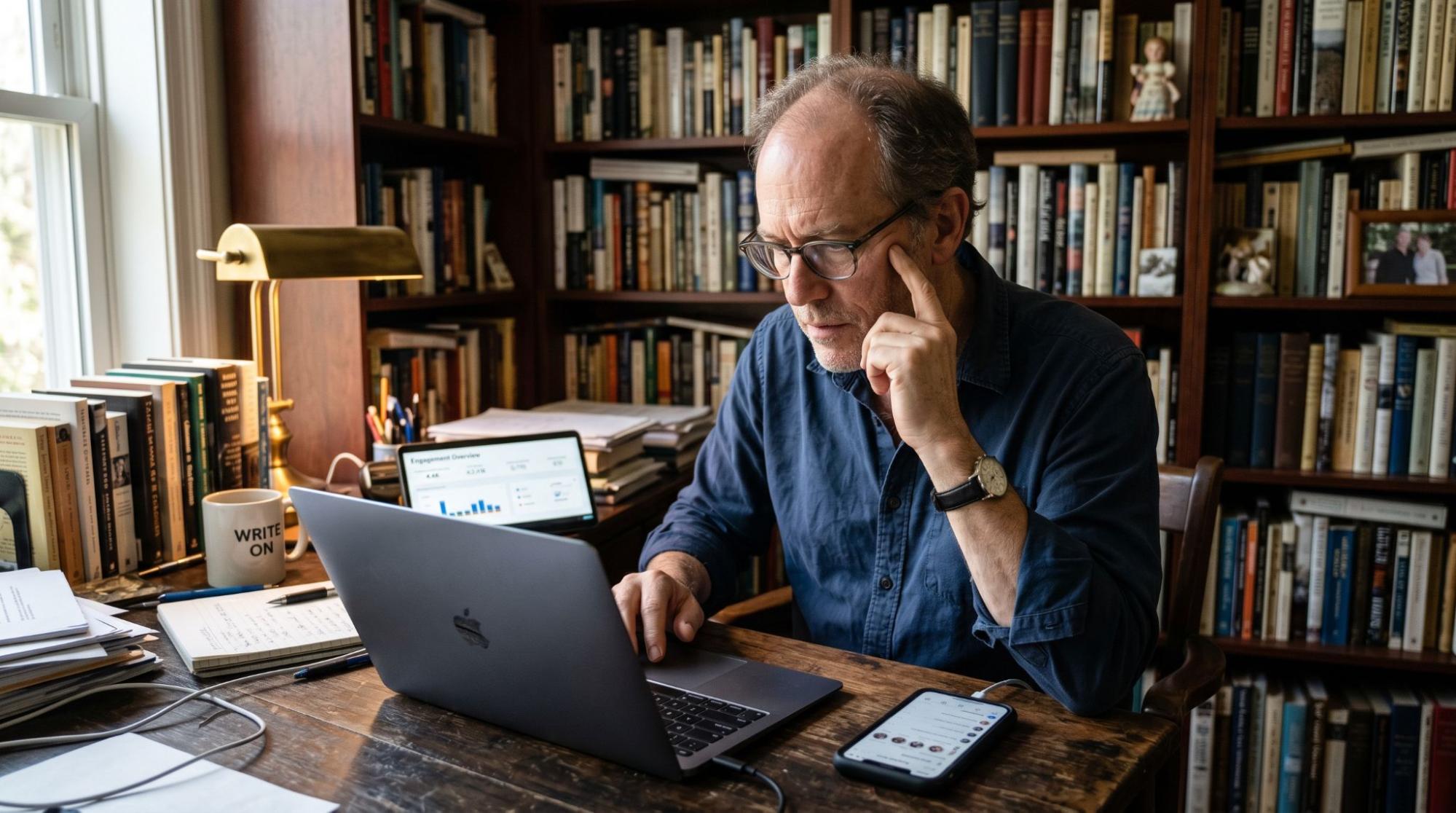
Views show how widely a video was distributed, but they don't tell you who wants your book. Look at search terms, returning viewers, average view duration, description-link clicks, email signups, and book sales attributed to a tracked landing page. Use YouTube's audience retention metrics to find where people stop watching or replay an explanation.
Keep a monthly record with each video's topic, views, watch time, link clicks, and resulting signups. If a 300-view video produces eight email subscribers while a 20,000-view Short produces none, the smaller video may be more useful for book sales. That's a comparison of conversion, not a guarantee that every subscriber will buy.
Keep Improving What Already Works
After eight to twelve uploads, assess which YouTube for authors topics brought relevant comments and book interest. Make a follow-up video that answers the next question, improve confusing titles, and add helpful links to existing descriptions. You need evidence that the channel attracts readers, not constant format changes.
You can also turn useful audience questions into the next script. Over time, this makes the channel feel like an ongoing conversation rather than a stream of announcements. A sustainable schedule beats an unsustainable burst.
Conclusion
The goal of YouTube for authors isn't to become a full-time influencer. It's to help the right people find your ideas or stories, trust what you offer, and take a clear next step toward your books. Start with one reader question, publish an answer worth watching, and use the response to choose your next video.