A business book can be excellent and still struggle to find readers. The challenge usually isn't convincing everyone on LinkedIn to buy it. It's getting the book in front of professionals already wrestling with the problem it solves. LinkedIn for nonfiction authors works best when you treat the platform as a place to demonstrate expertise and build relationships before making an offer.
Key Takeaways
- Define your ideal business-book buyer by role, problem, and purchasing reason.
- Make your profile explain the outcome your book helps readers achieve.
- Publish useful arguments and examples drawn from your book instead of constant promotions.
- Start relevant conversations with professionals who can benefit from your ideas.
- Measure qualified engagement, email signups, and book interest rather than follower counts.
Identify the People Most Likely to Buy
Start with the decision your reader wants to make. A book about managing hybrid teams might appeal to HR directors, first-time managers, and founders, but their concerns aren't identical. Choose one primary buyer and write down three problems they face, the language they use to describe them, and why a book would help.
Don't assume everyone with a senior job title is a good prospect. The available LinkedIn audience demographics can provide context, but the better test is whether real people in your niche discuss the problem openly. Search posts, comments, and industry groups for recurring questions. Save the wording you find for future posts.
Make Your Profile Explain Why the Book Matters
Your headline should identify the people you help and the subject you know. 'Author of a leadership book' is less useful than 'Helping new managers run productive teams | Author of a practical leadership guide.' In the About section, briefly describe the reader's challenge, your relevant experience, and the takeaway from your book. Put a working purchase or sample-chapter link in a prominent profile location.
Consistent author personal branding helps readers connect the expertise in your posts with the promise on your book's page. Use a professional photo, a readable banner, and a Featured section that points to a strong article, interview, or book excerpt. Remove outdated links so curious visitors don't hit dead ends.
Related: How to Build an Author Brand That Sells Books for 10+ Years

Build a Posting Plan Around Reader Questions
For linkedin for nonfiction authors, a workable LinkedIn content strategy starts with a short list of reader problems. For each chapter, extract one counterintuitive point, one practical exercise, and one mistake to avoid. Turn these into standalone posts that deliver value without asking people to purchase the book first.
For example, an author writing about negotiating contracts could share a brief story about a costly assumption, explain what changed the outcome, then ask readers how they handle the same situation. Another post could offer a five-question preparation checklist. Neither needs an aggressive sales pitch to make the author's perspective memorable.
A realistic starting schedule is three thoughtful posts a week. Alternate a practical tip, a specific story, and a considered opinion. The broader principles in nonfiction author marketing can help you balance useful content and promotion instead of letting every post become an advertisement.
Use Conversation to Reach the Right Networks
After publishing, spend time engaging with people who serve or belong to your target audience. Comment on posts from relevant consultants, business owners, conference organizers, and professional communities. Add an example or a genuine question rather than 'great post.' A useful comment can introduce your expertise to people who haven't followed you.
When someone raises an issue your book addresses, respond to the issue first. Offer a sample chapter or a relevant resource only when that would genuinely help. This is where LinkedIn book marketing differs from broadcasting discount announcements: the conversation establishes why the book may be worth reading.
For authors developing a repeatable voice, Creating Authentic Content in the Age of AI offers a useful framework for keeping published ideas tied to real experience instead of producing interchangeable advice.
Connect Posts to a Simple Reader Path
People rarely buy an unfamiliar business book after a single post. Give interested readers a sensible next step, such as a short chapter excerpt, a checklist based on the book, or a newsletter focused on the same subject. Your landing page should say exactly what subscribers receive and make the book easy to find.
Apply the same discipline to social media book promotion across other channels. Readers should see a consistent promise, but they don't need identical posts everywhere. LinkedIn can carry professional case examples while your newsletter provides a longer explanation and a direct purchase option.
Related: How to Use Your Author Newsletter to Drive Podcast Traffic Into Book Sales Every Month

Turn Book Ideas Into Short Videos
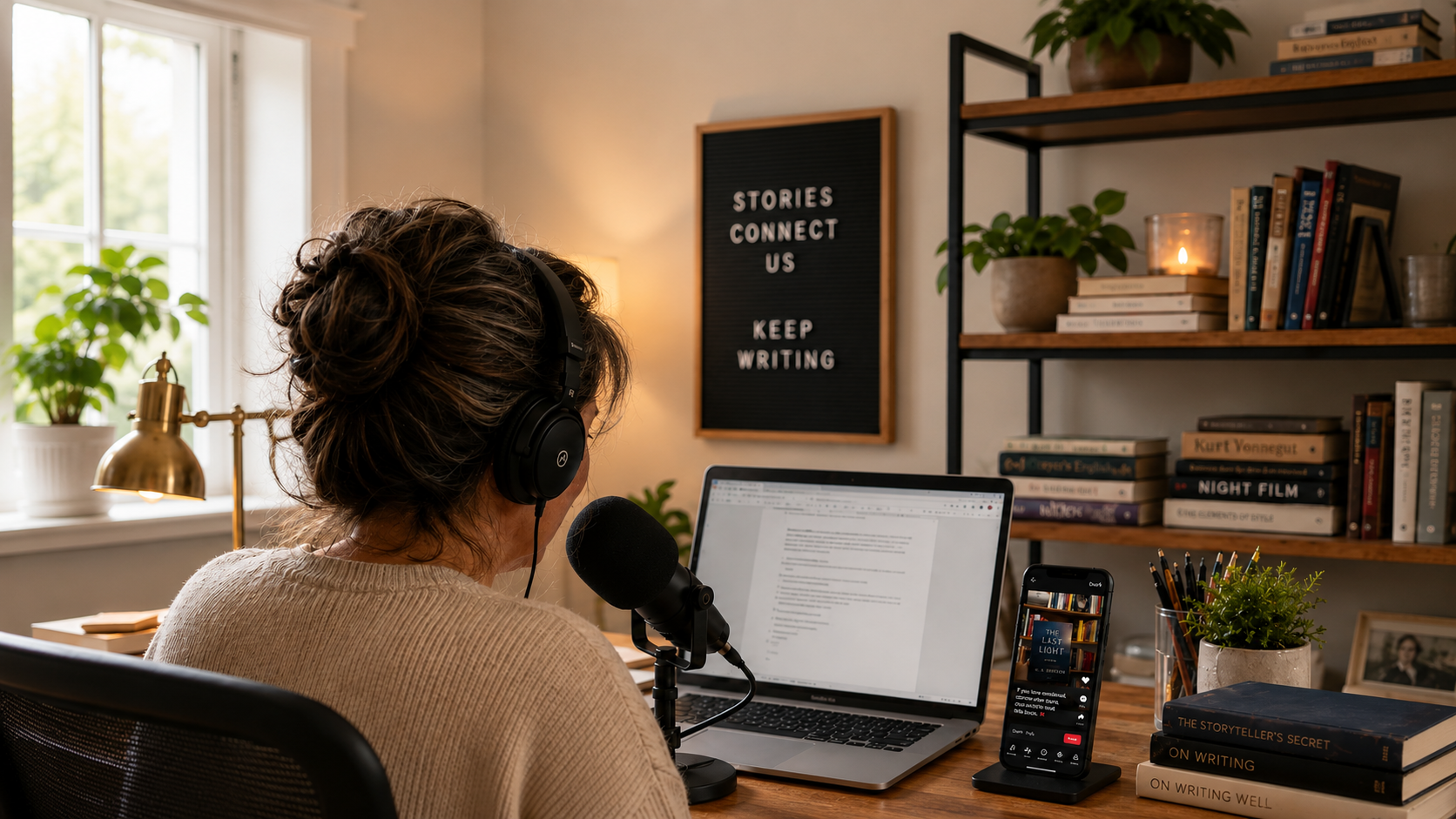
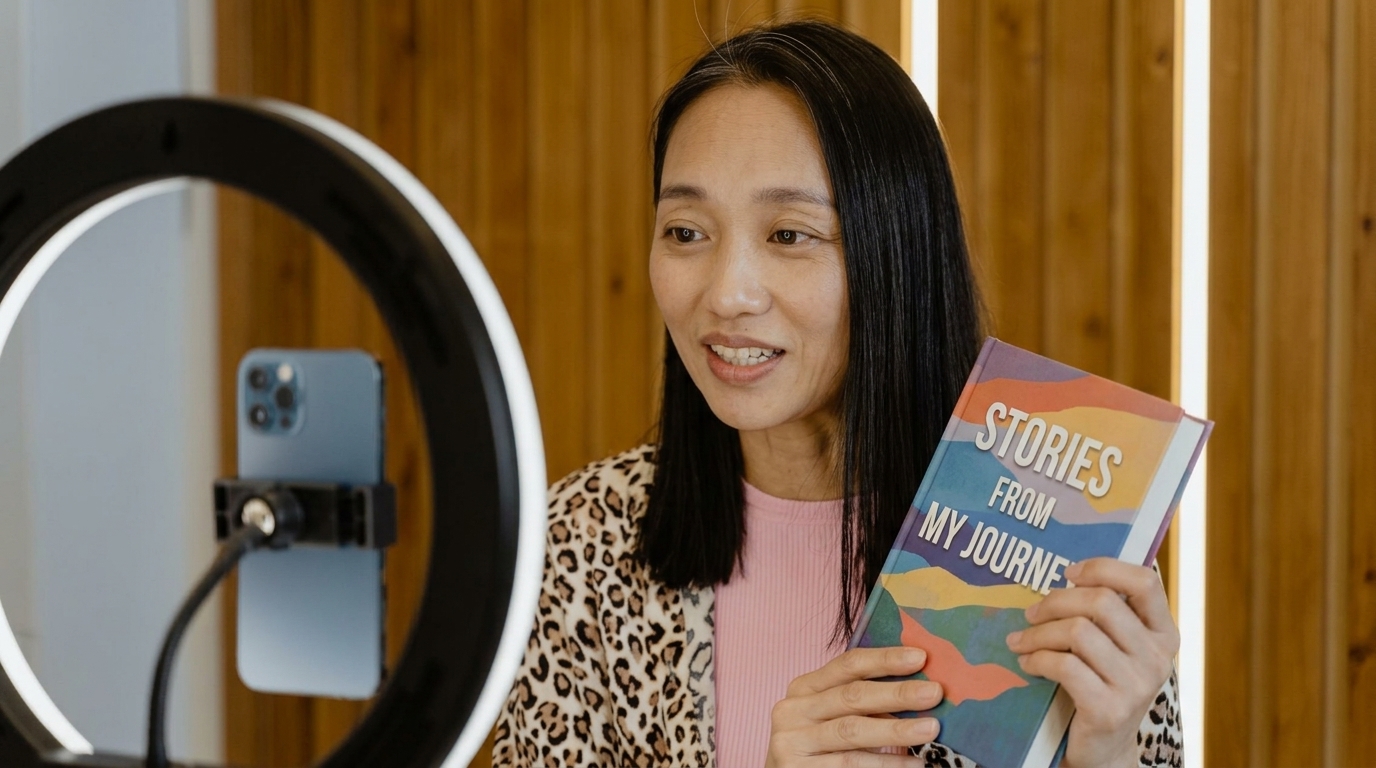
A simple talking-head clip can make an abstract idea easier to understand, particularly when you have a memorable example from a workshop or client conversation. Explain one problem in the opening seconds, describe what usually goes wrong, and give one action readers can try. Keep the message understandable without sound by adding clear captions.
If video is part of your publishing plan, the Viral Video Blueprint can help structure hooks and short-form content around a specific audience question. Use those videos as another way to introduce your book's thinking, not as a substitute for answering comments and building trust.
Measure Signals That Could Lead to Sales
For linkedin for nonfiction authors, follower growth is easy to see but doesn't tell you whether potential readers care. Track relevant profile visits, substantive comments from your target roles, clicks to your sample chapter, email subscriptions, and book-page visits. Use tagged campaign links if your publishing setup supports them, then review outcomes monthly.
For a practical four-week test, select one audience, publish 12 useful posts, respond to relevant comments, and direct interested visitors to one clear resource. Compare which topics produced meaningful conversations and qualified clicks. Keep the formats that attract your intended readers, and revise subjects that generate attention from the wrong audience.
Build an Audience That Recognizes Your Expertise
LinkedIn for nonfiction authors is effective when potential buyers repeatedly encounter an idea that solves a problem they already have. Make the book a natural continuation of the advice you share. You don't need a huge audience to begin, but you do need a specific reader, credible examples, and an easy path from curiosity to purchase.