
A single podcast interview can introduce your book to listeners who already enjoy discussing ideas, characters, and personal experiences. The opportunity isn't automatic, though. Book club marketing for authors works best when an interview gives group organizers a reason to choose your title and an easy way to contact you.
Key Takeaways
- Podcast interviews introduce books to niche communities with shared reading interests.
- Discussion-friendly stories make a stronger case than repeated sales pitches.
- A simple book club kit removes work for volunteer organizers.
- Direct outreach turns listener interest into actual group selections.
- Tracking invitations and meetings reveals which appearances are productive.
Why Podcasts Can Influence Book Club Selections
Many reading groups choose books through personal recommendations, librarians, local networks, and conversations among members. A podcast doesn't replace those channels. It adds a place where potential members can hear an author explain the questions behind a book before suggesting it to their group.
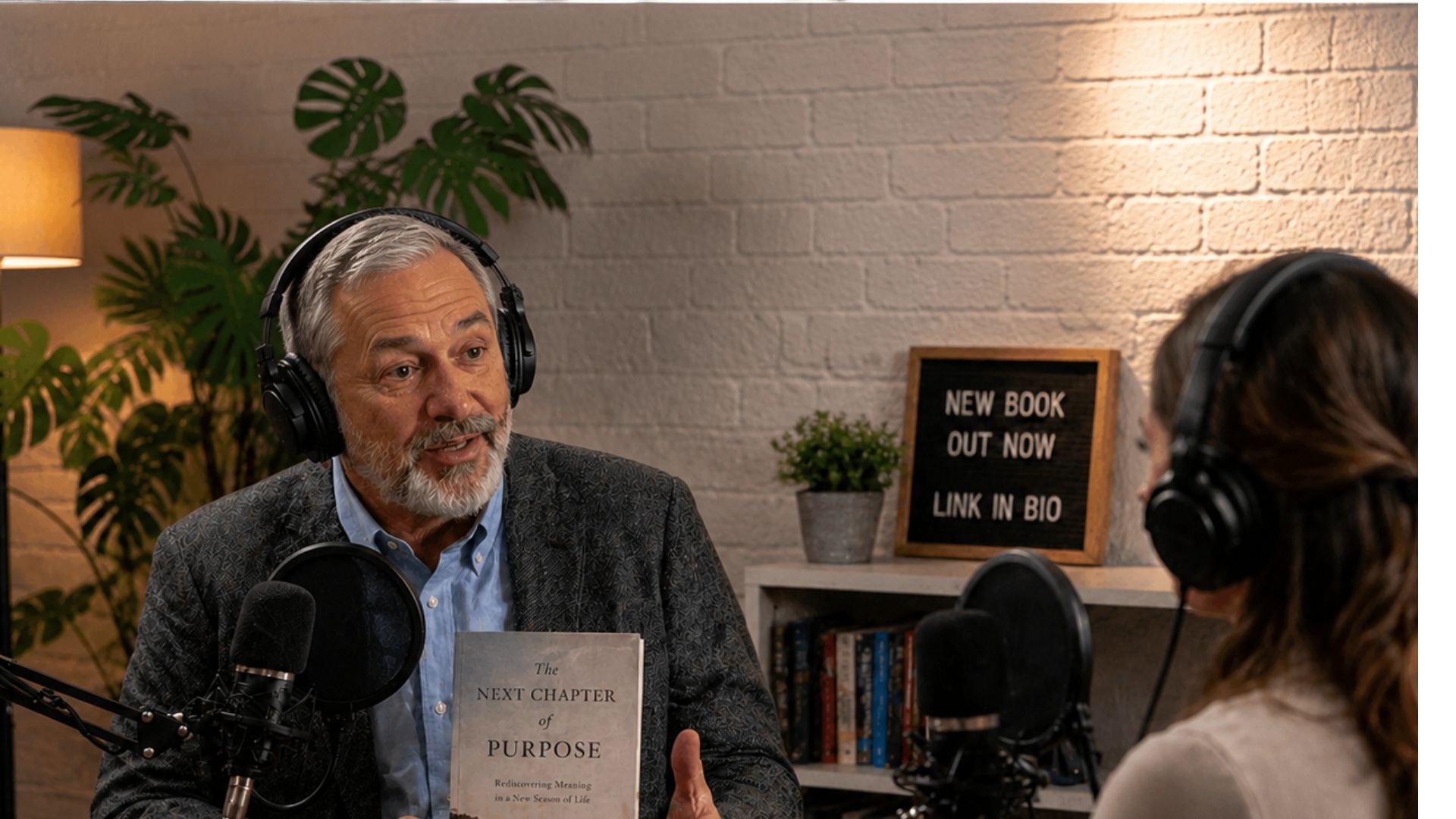
The strongest interviews create a discussion that can continue after the episode. A novelist might explain why two characters interpret the same event differently. A nonfiction author might challenge a familiar workplace assumption. Both give listeners something specific to raise at their next meeting.
Choose Shows for Book Club Marketing for Authors
Start with genre podcasts, library programs, regional culture shows, and interviews whose listeners share your book's central interests. A historical novelist could approach podcasts about local history, while a leadership writer might target shows hosted for professional associations. For book club marketing for authors, a smaller aligned audience may produce better conversations than a broad show with little reader overlap.
Build a shortlist of 15 to 20 shows. Record their audience, recent guests, contact details, and a discussion topic you could offer. A guest podcasting strategy should explain why that particular host's listeners would want to hear the conversation, not simply announce a new release.
Related: How to Pitch Yourself as a Podcast Guest: 5 Email Templates That Get Authors Booked

Make Each Interview Useful to a Reading Group
Give the host two or three thoughtful questions that prompt stories instead of a plot summary. Discuss a moral dilemma in the book, the research that changed your thinking, or a decision readers may disagree about. Avoid revealing major endings unless the program clearly warns listeners about spoilers.
Mention that you're open to group discussions, then direct interested organizers to one page with your book summary and contact form. This is where author podcast tours can support a wider campaign: a sequence of relevant interviews gives readers several chances to encounter the same title through different conversations.
Create a Book Club Kit Before You Pitch
An organizer should be able to evaluate the book in a few minutes. Put the ISBN, format options, approximate reading time, content notes, and an author bio on a page that works on a phone. Add eight to ten questions that invite disagreement without demanding knowledge of the author's intentions.
Include instructions for requesting a virtual visit, your availability, and whether there's a fee. Penguin Random House's advice on author book club visits offers a useful starting point for thinking about group interactions. A brief recorded greeting can help when live attendance isn't possible.
For authors who want each interview to lead somewhere measurable, Mic to Money provides a no-fluff approach to turning podcast appearances into qualified conversations and repeat opportunities.
Reach Organizers Through Trusted Community Channels
Once an episode is live, approach groups whose reading lists match the subject. Libraries, independent bookstores, community centers, professional networks, and online groups may all have different selection processes. Use the American Library Association's resources on book discussion groups to understand how reading groups are organized.
Keep book club outreach personal. Refer to a past selection or shared theme, explain why your book suits the group, and offer the discussion guide without assuming they'll feature it. The Independent Book Publishers Association's guidance on identifying groups can help authors build a focused prospect list instead of sending mass messages.
Related: What Is a Podcast Tour for Authors? (And Why It's Replacing Book Tours)

Turn One Recording Into Several Invitations
After each appearance, create a short audio clip with one memorable question, a written excerpt for your newsletter, and a social post inviting reading groups to discuss that issue. Podcast content repurposing makes the interview useful after its original release date without asking people to hear the same promotion repeatedly.
Send the host a clean set of assets and a link to the book club kit. When the episode is shared, respond to genuine questions and thank people who recommend the book. If a group expresses interest, follow up with proposed meeting dates and practical details instead of another sales message.
Measure Selections, Not Just Plays
Create a simple spreadsheet with the podcast name, appearance date, kit visits, organizer inquiries, confirmed selections, and completed club discussions. Ask organizers how they found the book. You won't attribute every selection perfectly, but even a few verified responses can show which interview topics and audiences are worth repeating.
A practical goal is to test several well-matched appearances, review actual invitations after a few months, and adjust your pitch. Book club marketing for authors should produce conversations readers want to continue, not an impressive-looking download count.
Authors who need a consistent way to share these stories can use Creating Authentic Content in the Age of AI to develop content that sounds like them and gives new readers a reason to stay engaged.
Conclusion
Podcasts help authors reach book clubs when a compelling interview connects with the right readers and leads to an easy next step. For book club marketing for authors, the useful sequence is straightforward: pick relevant shows, offer real discussion material, invite organizers to connect, and follow through when a group chooses the book.